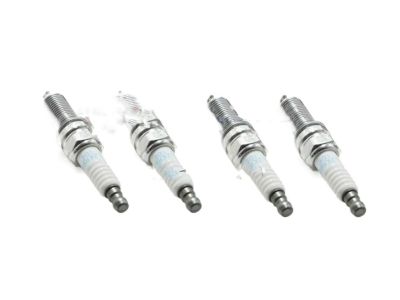
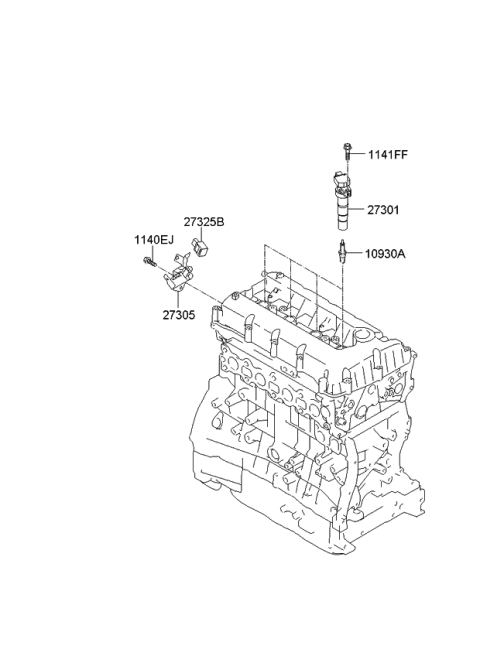
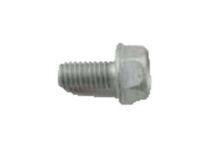
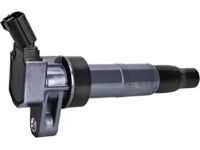
The sparkplugs you need to replace are centered in the cylinder head. Regular sparkplug tools include a special socket for the ratchet, various extension pieces, and a gap-check tool to make sure the spark plug is set at the right distance. Because the cylinder head is aluminum, we need to use a torque wrench when tightening the spark plugs. Before you start, buy new spark plugs, adjust their gap right, and replace them one at a time to fit your car's engine correctly. Leave the engine to cool down completely before you take out the plugs and review your new spark plugs for any flaws while checking the gaps. To check the gap, we use the specialized thickness gauge and only bend the side electrode to keep the porcelain insulator safe. Put a cover on the fender to avoid paint scratches, then undo the screws to unhook the spark plug shield from the valve cover. On 1998 vehicles and up, you must take out both the coil mounting bolts and the coil/plug wire connection. After cleaning, blow compressed air at the spark plug area to get rid of any dirt, keeping anything from getting inside the engine's cylinder. Turn the spark plug socket counterclockwise to take out the plug, then compare the old spark plug with a chart to see how well your engine is running. Make sure the spark plug fits tightly on the cylinder head. Spread on a thin layer of anti-seize agent, keep turning it until the plug can't move by hand, then tighten it with a torque wrench or socket. A 6-inch rubber tube serves as a helper tool to guide the plug when you insert it, keeping it from slipping into cross-threaded position. After connecting the sparkplug to the coil/plug wire, twist the wire onto the new sparkplug and repeat for all the other plugs.