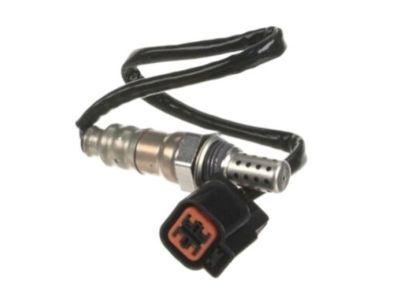
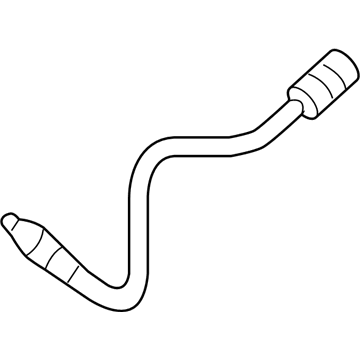
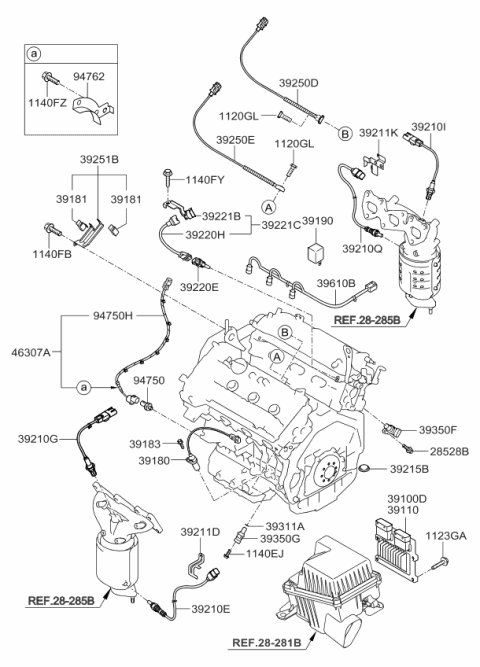
Special care is required when servicing an oxygen sensor due to the permanently attached pigtail and electrical connector that can't be removed from the sensor. Any damage to or removal of these components will ruin the sensor. It's important to keep grease, dirt and other contaminants away from the electrical connector and the oxygen sensor. Cleaning solvents of any kind should not be used on an oxygen sensor, and it should not be dropped or roughly handled. When replacing the sensor, note that it is installed in the exhaust manifold or catalytic converter, which contract when cool, making the sensor difficult to loosen when the engine is cold. To avoid damage, start and run the engine for a minute or two, then shut it off. The sensors are located at each primary catalytic converter near the exhaust manifolds and there is also a rear sensor in the exhaust pipe beneath the vehicle. If working on the rear sensor, raise the vehicle and support it securely on jackstands. This may ease things even if you're removing a front lower sensor. Remove any interfering components to provide wrench access to the sensor. These components vary greatly depending on your model year and the options installed. Disconnect the sensor pigtail and release the wiring from any retainers. Unscrew the sensor using a specialty socket. Some oxygen sensors that are mounted through heat shields have a large flange and require an oxygen sensor socket for removal. Special oxygen sensor sockets are available at most auto parts stores. Be careful to avoid damaging the hex on the sensor. Installation is the reverse of removal. Be sure to coat the threads of the oxygen sensor with anti-seize compound and tighten it to the torque.