×
- Hello
- Login or Register
- Quick Links
- Live Chat
- Track Order
- Parts Availability
- RMA
- Help Center
- Contact Us
- Shop for
- Kia Parts
- Kia Accessories

My Garage
My Account
Cart
Genuine Kia K5 Exhaust Manifold
Engine Exhaust Manifold- Select Vehicle by Model
- Select Vehicle by VIN
Select Vehicle by Model
orMake
Model
Year
Select Vehicle by VIN
For the most accurate results, select vehicle by your VIN (Vehicle Identification Number).
2 Exhaust Manifolds found
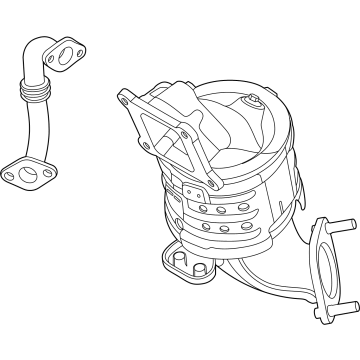

Kia K5 Manifold Catalytic Assembly
Part Number: 285102SES0$3059.87 MSRP: $4513.08You Save: $1453.21 (33%)Ships in 1-2 Business Days
Kia K5 Manifold Catalytic Assembly
Part Number: 285102S190$3269.09 MSRP: $4821.67You Save: $1552.58 (33%)Ships in 1-2 Business Days
Kia K5 Exhaust Manifold
If you're in search of top-notch, reasonably priced OEM Kia K5 Exhaust Manifold, then you've found the perfect spot. Our website boasts an extensive inventory of Kia K5 Exhaust Manifold, all priced at the market's premier price. Rest assured, every genuine part we offer comes with a warranty straight from the manufacturer.
Related Kia K5 Parts
 Kia K5 Emblem
 Kia K5 Seat Belt
 Kia K5 Door Handle
 Kia K5 Window Regulator
 Kia K5 Door Lock Actuator
 Kia K5 Headlight
 Kia K5 Oxygen Sensor
 Kia K5 Catalytic Converter
 Kia K5 EGR Valve
 Kia K5 Bumper
 Kia K5 Lift Support
 Kia K5 Spare Wheel