×
- Hello
- Login or Register
- Quick Links
- Live Chat
- Track Order
- Parts Availability
- RMA
- Help Center
- Contact Us
- Shop for
- Kia Parts
- Kia Accessories

My Garage
My Account
Cart
Genuine Kia Spectra CV Boot
Axle Boot- Select Vehicle by Model
- Select Vehicle by VIN
Select Vehicle by Model
orMake
Model
Year
Select Vehicle by VIN
For the most accurate results, select vehicle by your VIN (Vehicle Identification Number).
29 CV Boots found
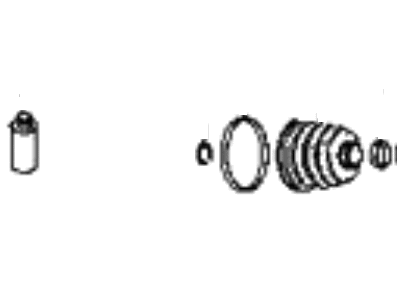

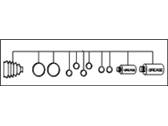
Kia Spectra Inner Joint Boot Set
Part Number: 0K2NA22540$53.85 MSRP: $77.70You Save: $23.85 (31%)Ships in 1-3 Business Days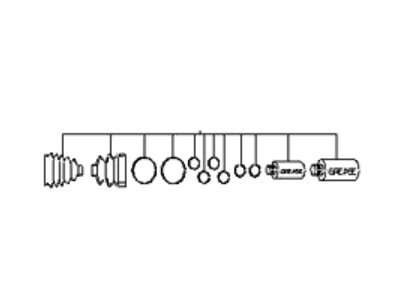

Kia Spectra Boot Set
Part Number: 495932F200$76.58 MSRP: $104.62You Save: $28.04 (27%)Ships in 1-3 Business Days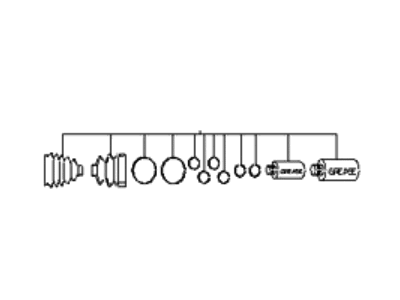

Kia Spectra Boot Set,LH
Part Number: 495932F390$83.77 MSRP: $114.43You Save: $30.66 (27%)Ships in 1-3 Business Days

Kia Spectra Boot Set
Part Number: 0K2C02253X$91.40 MSRP: $124.87You Save: $33.47 (27%)Ships in 1-3 Business DaysKia Spectra Boot Set
Part Number: 0K2A52253X$146.32 MSRP: $203.22You Save: $56.90 (28%)Ships in 1-3 Business Days

Kia Spectra Inner Joint Boot Set
Part Number: 495952F705$34.78 MSRP: $50.18You Save: $15.40 (31%)Ships in 1-3 Business Days
Kia Spectra Out Joint Boot Set
Part Number: 0K2C022530$37.75 MSRP: $54.47You Save: $16.72 (31%)Ships in 1-3 Business Days
Kia Spectra Inner Joint Boot Set
Part Number: 0K2C022540$37.88 MSRP: $54.67You Save: $16.79 (31%)Ships in 1-3 Business Days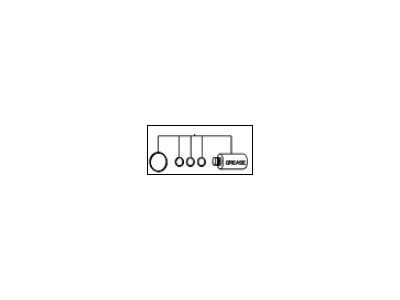
Kia Spectra Inner Joint Boot Set
Part Number: 495952F700$39.77 MSRP: $57.38You Save: $17.61 (31%)Ships in 1-3 Business Days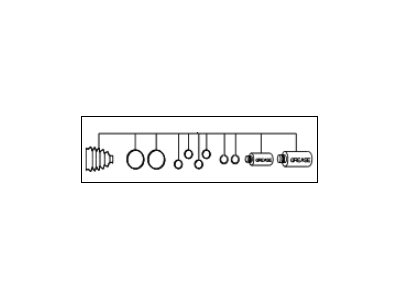
Kia Spectra Out Joint Boot Set
Part Number: 495942F700$40.25 MSRP: $58.08You Save: $17.83 (31%)Ships in 1-3 Business Days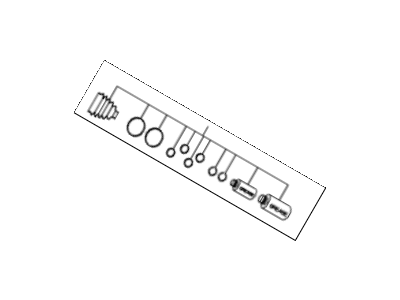
Kia Spectra Out Joint Boot Set
Part Number: 495942F705$48.51 MSRP: $70.00You Save: $21.49 (31%)Ships in 1-3 Business Days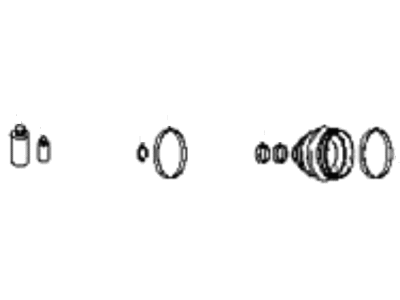
Kia Spectra Out Joint Boot Set
Part Number: 0K2NA22530$77.47 MSRP: $111.78You Save: $34.31 (31%)Ships in 1-3 Business Days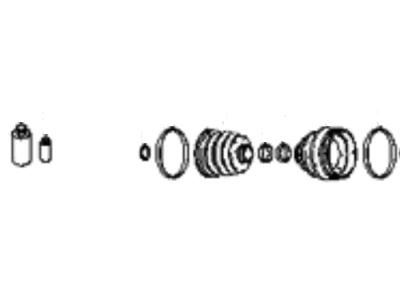
Kia Spectra Boot Set
Part Number: 0K2NA2253X$88.47 MSRP: $127.67You Save: $39.20 (31%)Ships in 1-3 Business Days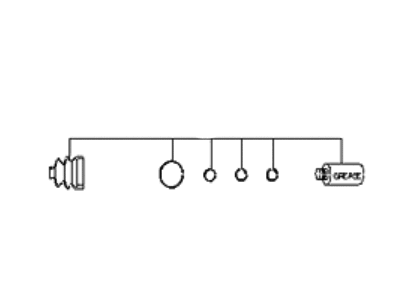
Kia Spectra Inner Joint Boot Set
Part Number: 495952F000$32.83 MSRP: $44.85You Save: $12.02 (27%)Ships in 1-3 Business DaysKia Spectra Boot Set-In Joint,RH
Part Number: 495952F200$36.42 MSRP: $49.75You Save: $13.33 (27%)Ships in 1-3 Business DaysKia Spectra Boot Set-In Joint,LH
Part Number: 495952F606$36.91 MSRP: $50.42You Save: $13.51 (27%)Ships in 1-3 Business Days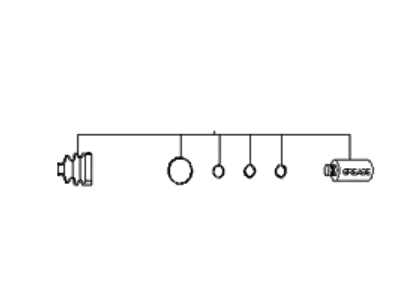
Kia Spectra Inner Joint Boot Set
Part Number: 495952F300$36.91 MSRP: $50.42You Save: $13.51 (27%)Ships in 1-3 Business DaysKia Spectra Inner Joint Boot Set
Part Number: 495952F701$42.00 MSRP: $57.38You Save: $15.38 (27%)Ships in 1-3 Business Days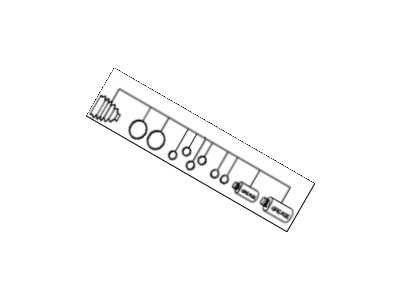
Kia Spectra Front Axle Wheel Boot Kit
Part Number: 495942F702$42.52 MSRP: $58.08You Save: $15.56 (27%)Ships in 1-3 Business Days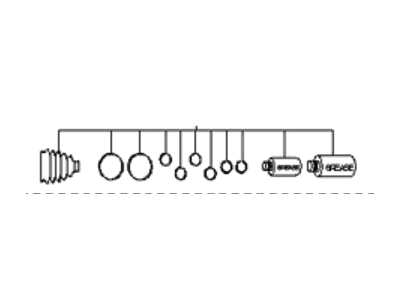
Kia Spectra Out Joint Boot Set
Part Number: 495942F300$42.52 MSRP: $58.08You Save: $15.56 (27%)Ships in 1-3 Business Days
| Page 1 of 2 |Next >
1-20 of 29 Results
Kia Spectra CV Boot
The CV Boot in Kia Spectra vehicles is one of the well important parts of the vehicle's suspension system since it shelters the Constant Velocity (CV) Joint, which is responsible for transmitting the force from the transaxle to the wheels. CV Joints used in Spectra vehicles change in structure and while the fixed joints are installed at the outboard end there are plunging joints only at the inboard end. The CV Boot is a protective rubber casing in which the CV joint is contained in order to hold grease and not let in dust and grit. One must inspect the CV Boot often because CV Joint failure is the primary reason for such problems as popping sound or vibes while operating the car.
If you're in search of top-notch, reasonably priced OEM Kia Spectra CV Boot, then you've found the perfect spot. Our website boasts an extensive inventory of Kia Spectra CV Boot, all priced at the market's premier price. Rest assured, every genuine part we offer comes with a warranty straight from the manufacturer.
Kia Spectra CV Boot Parts Questions & Experts Answers
- Q:How to inspect the CV Boot,suspension and steering components of a Kia Spectra?Posted by Patryk C.A:With the vehicle stopped and the front wheels pointed straight ahead, rock the steering wheel gently back and forth to check for excessive freeplay. Excessive freeplay may indicate worn front wheel bearings, steering shaft universal joint, lower arm balljoint, or a broken or improperly adjusted steering gear. Other symptoms such as excessive body movement over rough roads, swaying around corners, and binding when turning the steering wheel may indicate faulty steering or suspension components. Check the shock absorbers by pushing down and releasing the vehicle at each corner. If the vehicle does not come back to a level position within one or two bounces, the shocks/struts are worn and need to be replaced. Listen for squeaks and noises from the suspension components while bouncing the vehicle. Check the struts and shock absorbers for evidence of fluid leakage. Replace the shocks as a set if leakage is noted. Ensure that the shocks are securely mounted and undamaged, and check the upper mounts for damage and wear. Raise the vehicle and support it securely on jackstands. Check the tires for irregular wear patterns and proper inflation. Inspect the universal joint between the steering shaft and the steering gear housing, and check the steering gear housing for lubricant leakage. Ensure that the dust seals and boots are not damaged and that the boot clamps are not loose. Check the steering linkage for looseness or damage, and inspect the tie-rod ends for excessive play. Look for loose bolts, broken or disconnected parts, and deteriorated rubber bushings on all suspension and steering components. While an assistant turns the steering wheel from side to side, check the steering components for free movement, chafing, and binding. Check the balljoints for wear by trying to move each control arm up and down with a pry bar. Replace any balljoint with play. Inspect the balljoint boots for damage and leaking grease, and replace damaged balljoints. At the rear of the vehicle, inspect the suspension arm bushings for deterioration. The CV Boots are important in preventing dirt, water, and foreign material from entering and damaging the CV joints. Inspect the boots for tears, cracks, and loose clamps. Also, inspect the inner and outer boots of the rear CVs on 4WD Sportage models. Replace any boots with cracks or leaking lubricant.Answered by Kia Parts Specialist Jeff / Feb 02, 2023