×
- Hello
- Login or Register
- Quick Links
- Live Chat
- Track Order
- Parts Availability
- RMA
- Help Center
- Contact Us
- Shop for
- Kia Parts
- Kia Accessories

My Garage
My Account
Cart
Genuine Kia Spectra Wheel Cylinder
Brake Wheel Cylinder- Select Vehicle by Model
- Select Vehicle by VIN
Select Vehicle by Model
orMake
Model
Year
Select Vehicle by VIN
For the most accurate results, select vehicle by your VIN (Vehicle Identification Number).
5 Wheel Cylinders found
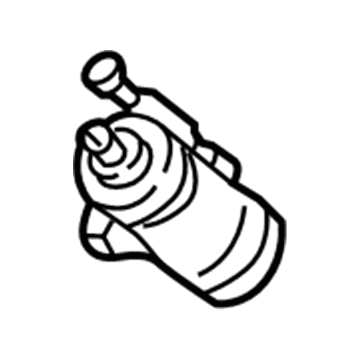

Kia Spectra Cylinder Assembly-Rear Wheel
Part Number: 0K20126610A$43.66 MSRP: $63.00You Save: $19.34 (31%)Ships in 1-3 Business DaysKia Spectra Cylinder Assembly-Rear Wheel
Part Number: 0K2N126610$64.66 MSRP: $93.30You Save: $28.64 (31%)Ships in 1-3 Business Days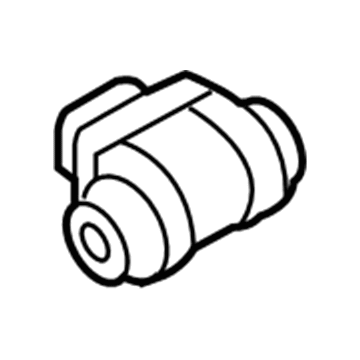

Kia Spectra Cylinder Assembly-Wheel
Part Number: 583302F100$59.04 MSRP: $85.20You Save: $26.16 (31%)Ships in 1-3 Business DaysKia Spectra Cylinder Assembly-Wheel
Part Number: 583802F100$59.51 MSRP: $85.87You Save: $26.36 (31%)Ships in 1-3 Business Days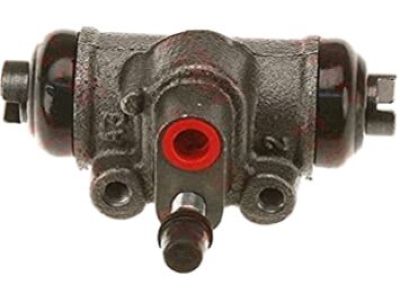
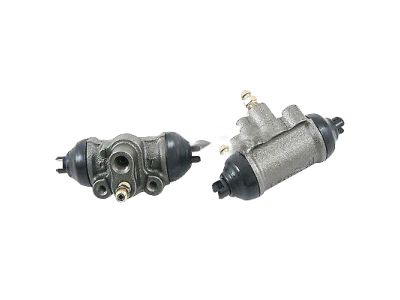

Kia Spectra Wheel Cylinder
The Kia Spectra Wheel Cylinder converts pressure on the brake fluid to outward movement against the drum shoes so the car will come to a stop reliably. The Wheel Cylinder is a compact aluminum or cast iron body that bolts to the backing plate and contains twin pistons, cup seals, an expander spring, and dust boots. You push the pedal, fluid fills the bore, and the Wheel Cylinder pushes both pistons out, and the shoes bite on the drum and return when the pressure is released by the return springs. A bleeder screw vents air and old glycol fluid as moisture can pit the bore and cause a leaky Wheel Cylinder, which lowers the pedal. If dust boots show traces of wetness or seized pistons, the low-priced unit on a Kia Spectra may be replaced entirely or rebuilt with new seals, boots, and spring where light honing keeps clearance snug. Earlier Spectra models sometimes applied two separate single-piston cylinders, and later cars favor one two-piston style, but both have the same simple hydraulic push-pull action and provide Kia drivers with steady braking by the Wheel Cylinder as long as it's sound. Routine service of shoes on a Spectra should include pulling each boot to catch leaks early and keep the final Kia stop smooth.
If you're in search of top-notch, reasonably priced OEM Kia Spectra Wheel Cylinder, then you've found the perfect spot. Our website boasts an extensive inventory of Kia Spectra Wheel Cylinder, all priced at the market's premier price. Rest assured, every genuine part we offer comes with a warranty straight from the manufacturer.
Kia Spectra Wheel Cylinder Parts Questions & Experts Answers
- Q:How to replace wheel cylinders in a Kia Spectra?Posted by Russel W.A:In the event of addressing the issue, it is recommended that the wheel cylinders be replaced rather than overhauled. When you replace the wheel cylinders always do it in sets, don't replace only one and leave the other. To remove, lift the rear of the car and place jackstands under it in a secure fashion. Reduce the steering and control the front wheels so that the car cannot move forward or backward. Lift the brake shoe assembly. Clean up the entire surrounding of the wheel cylinder and ensure there is no dirt or any other material in the area. You need to unscrew the Brake Line fitting: if possible use a flare-nut wrench because it is better for not rounding the corners of a fitting. Remove the brake line hose and then unscrew the wheel cylinder bolts. Do not disconnect the brake line from the wheel cylinder. Depress the brake pedal and unbolt the wheel cylinder mounting bolts. Pull off the wheel cylinder from the brake backing plate and do not forget to cap of the brake line to avoid loss of fluids and contaminants. To install, apply a small amount of RTV sealant between the backing plate and the wheel cylinder then position the wheel cylinder and fit the bolts loosely. Then re-attach the brake line to the cylinder, ensuring that the threads do not twist over one another. Fasten the wheel cylinder mounting bolts securely to the torque and secure the brake line fitting. Fix the brake shoe assembly. undefined Before driving the vehicle, ensure that the brakes are in good working condition.Answered by Kia Parts Specialist Sheldon / Mar 28, 2026