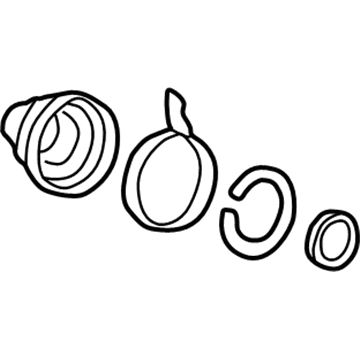
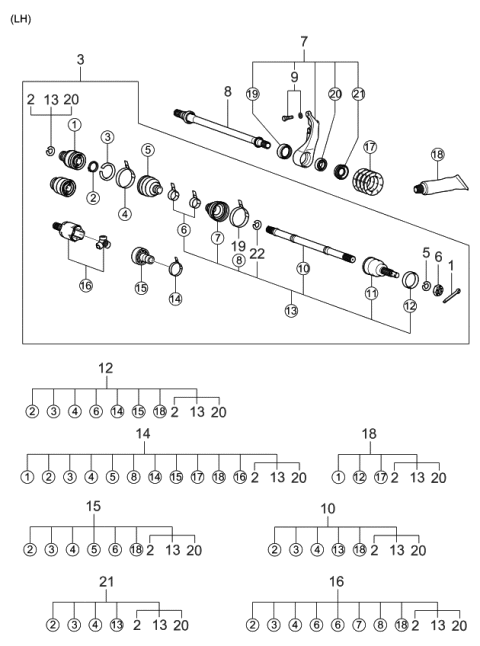
To check the steering, ensure the vehicle is on the ground with the front wheels straight, then gently rock the steering wheel back and forth; excessive freeplay may indicate worn components such as the front wheel bearing or steering gear issues. Freeplay is the travel measured at the steering wheel rim before the front wheels begin to turn. Additional symptoms like excessive body movement, swaying around corners, or binding while turning may suggest faulty steering or suspension components. For the suspension, push down on the vehicle at each corner; if it doesn't return to level within one or two bounces, the shocks or struts are likely worn and need replacement. Listen for noises during this process. Raise the vehicle securely and check the tires for irregular wear and proper inflation. Inspect the universal joint between the steering shaft and gear housing for lubricant leakage and ensure dust seals are intact. Check tie-rod ends for excessive play and look for loose bolts or damaged components. While an assistant turns the steering wheel, observe the steering components for movement and binding. To assess balljoints, use a prybar to move each control arm up and down; any play indicates a need for replacement. Inspect balljoint boots for damage and grease leaks, replacing them if necessary. Lastly, examine the CV Boots for tears, cracks, and loose clamps, as they protect the CV joints from dirt and moisture; any signs of damage require replacement.