×
- Hello
- Login or Register
- Quick Links
- Live Chat
- Track Order
- Parts Availability
- RMA
- Help Center
- Contact Us
- Shop for
- Kia Parts
- Kia Accessories

My Garage
My Account
Cart
Genuine 2013 Kia Sorento Transmission Assembly
Trans Assembly- Select Vehicle by Model
- Select Vehicle by VIN
Select Vehicle by Model
orMake
Model
Year
Select Vehicle by VIN
For the most accurate results, select vehicle by your VIN (Vehicle Identification Number).
6 Transmission Assemblies found
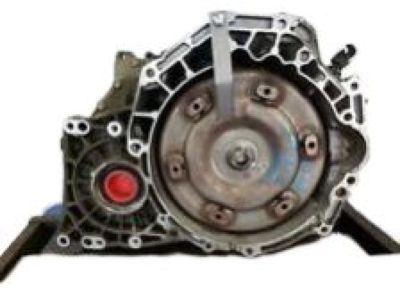

2013 Kia Sorento Auto Transaxle & Torque/Conventional Assembly
Part Number: 450003BKH2$823.69 MSRP: $1149.00You Save: $325.31 (29%)Product Specifications- Other Name: Automatic Transaxle & Torque Converter Assembly
- Replaced by: 450003BKH2R
- Part Code: 45000A
- Item Weight: 209.30 Pounds
- Condition: New
- Fitment Type: Direct Replacement
- SKU: 450003BKH2
- Warranty: This genuine part is guaranteed by Kia's factory warranty.
2013 Kia Sorento Auto Transaxle & Torque/Conventional Assembly
Part Number: 450003BKH0$823.69 MSRP: $1149.00You Save: $325.31 (29%)Ships in 1-3 Business DaysProduct Specifications- Other Name: Automatic Transaxle & Torque Converter Assembly
- Replaced by: 450003BKH0R
- Part Code: 45000A
- Item Weight: 199.40 Pounds
- Condition: New
- Fitment Type: Direct Replacement
- SKU: 450003BKH0
- Warranty: This genuine part is guaranteed by Kia's factory warranty.
2013 Kia Sorento Auto Transaxle & Torque/Conventional Assembly
Part Number: 450003BGG0$823.69 MSRP: $1149.00You Save: $325.31 (29%)Ships in 1-3 Business DaysProduct Specifications- Other Name: Automatic Transaxle & Torque Converter Assembly
- Replaced by: 450003BGG0R
- Part Code: 45000A
- Item Weight: 203.40 Pounds
- Condition: New
- Fitment Type: Direct Replacement
- SKU: 450003BGG0
- Warranty: This genuine part is guaranteed by Kia's factory warranty.
2013 Kia Sorento Auto Transaxle & Torque/Conventional Assembly
Part Number: 450003BKG2$823.69 MSRP: $1149.00You Save: $325.31 (29%)Ships in 1-3 Business DaysProduct Specifications- Other Name: Automatic Transaxle & Torque Converter Assembly
- Replaced by: 450003BKG2R
- Part Code: 45000A
- Item Weight: 217.20 Pounds
- Condition: New
- Fitment Type: Direct Replacement
- SKU: 450003BKG2
- Warranty: This genuine part is guaranteed by Kia's factory warranty.
2013 Kia Sorento Auto Transaxle & Torque/Conventional Assembly
Part Number: 450003BGH0$823.69 MSRP: $1149.00You Save: $325.31 (29%)Ships in 1-3 Business DaysProduct Specifications- Other Name: Automatic Transaxle & Torque Converter Assembly
- Replaced by: 450003BGH0R
- Part Code: 45000A
- Item Weight: 209.30 Pounds
- Condition: New
- Fitment Type: Direct Replacement
- SKU: 450003BGH0
- Warranty: This genuine part is guaranteed by Kia's factory warranty.
2013 Kia Sorento Auto Transaxle & Torque/Conventional Assembly
Part Number: 450003BKG0$823.69 MSRP: $1149.00You Save: $325.31 (29%)Ships in 1-3 Business DaysProduct Specifications- Other Name: Automatic Transaxle & Torque Converter Assembly
- Replaced by: 450003BKG0R
- Part Code: 45000A
- Item Weight: 203.40 Pounds
- Condition: New
- Fitment Type: Direct Replacement
- SKU: 450003BKG0
- Warranty: This genuine part is guaranteed by Kia's factory warranty.
2013 Kia Sorento Transmission Assembly
Look no further for OEM 2013 Kia Sorento Transmission Assembly. Our website stocks an extensive selection, all priced competitively. You can rest assured that all of our genuine 2013 Kia Sorento Transmission Assembly are backed by a manufacturer's warranty and guaranteed quality. With our hassle-free return policy and speedy delivery, your shopping experience is set to be smooth and efficient.
2013 Kia Sorento Transmission Assembly Parts Questions & Experts Answers
- Q:How to remove and install the Transmission Assembly on 2013 Kia Sorento?Posted by Sam M.A:If you have a 4WD vehicle, then the procedures for the removal of the driveshaft as well as the transfer case is critical. First, open the lugs nuts of the front wheel and the nuts of the driveaxle/hub next, unbolt battery and battery support tray. Then, remove not only the main body of the air cleaner but also the intake duct out of the vehicle. Remove the wires from the back-up light switch, and from the transaxle speedometer connection, then from the Crankshaft Position sensor, the four oxygen sensors and the oil pressure sender, which also has no wires connected to it, but has its own mounting bracket, which should be removed. Disconnect the concentric slave cylinder tube locking clip and take the concentric tube out of the clutch release cylinder, also take the two shift cables away from the transaxle. Loosen and wash the top most transaxle mounting bolts and support bracket as well as the starter. Stand the engine vertically on struts above the subframe, and support it from above by a bar that fits between the fenders; these are available for rent. Lift the car and secure on jackstands and then remove the both driveaxles and then drain the lubricant from the transaxle. Turn the front section of the exhaust system back and cut off the rear section so the exhaust pipe is just over the mid pipe, Prior to that, install a supporter which bolts to the engine and then unbolt the subframe mounting bolts and lift the subframe out with helps. Support the transmission using a transmission jack and detach the transaxle-to-engine bolts, all connections should be disconnected. With help, push the transaxle backward from the engine and downwards, looking for any appendages it might rub against on the way down before lowering it completely to the ground; remove the transaxle by pulling it out from under the car and placing it far off safely. For installation, lubricate the input shaft good amount of LTG high-temperature grease on the input shaft, jack up the transaxle and position it behind the engine, ease the transaxle forward until the input shaft engages the clutch without applying much pressure. After placing the transaxle up against the engine, add and seriously tighten the transaxle-to-engine bolts but do not use such bolts to push the transaxle against the engine. The rest of the procedure is done in the reversal order of the removal process, while adhering to the recommending tightening torque on the suspension mounting bolts, driveaxel/hub nuts, starter mounting bolts, and the wheel lugs; also, the transaxle should be filled with the correct type and quantity of the fluid as recommended.Answered by Kia Parts Specialist Philip / Jul 16, 2025
