×
- Hello
- Login or Register
- Quick Links
- Live Chat
- Track Order
- Parts Availability
- RMA
- Help Center
- Contact Us
- Shop for
- Kia Parts
- Kia Accessories

My Garage
My Account
Cart
Genuine Kia Car Batteries
Auto Battery- Select Vehicle by Model
- Select Vehicle by VIN
Select Vehicle by Model
orMake
Model
Year
Select Vehicle by VIN
For the most accurate results, select vehicle by your VIN (Vehicle Identification Number).
28 Car Batteries found
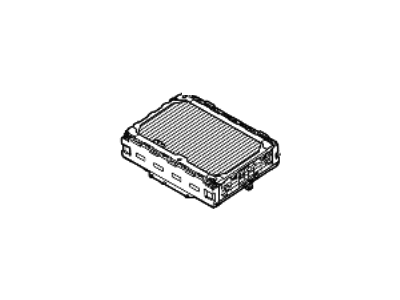

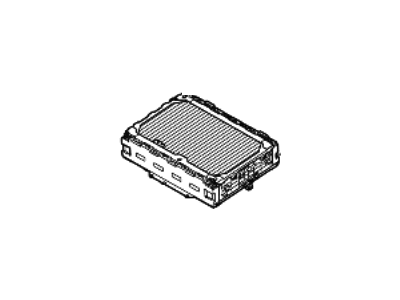
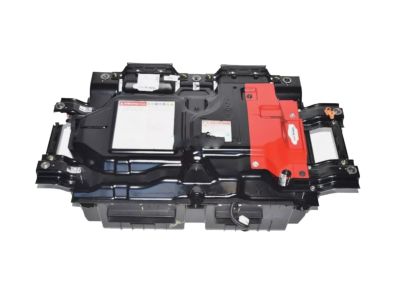
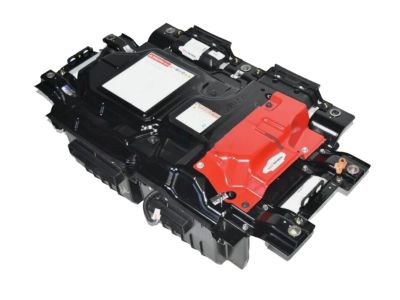
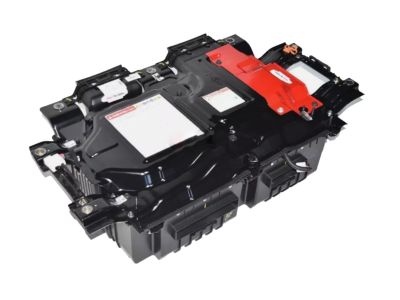
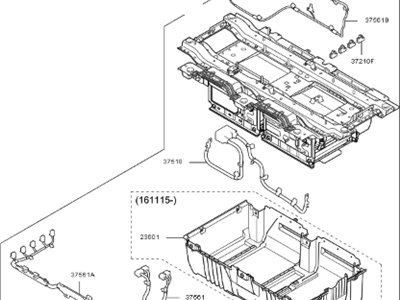
Kia Battery Module Assembly
Part Number: 375J6Q4002$2446.50 MSRP: $3500.00You Save: $1053.50 (31%)Ships in 1-3 Business DaysProduct Specifications- Manufacturer Note: SK CELL (9S)
Kia Battery Module Assembly
Part Number: 375J4Q4002$2691.15 MSRP: $3850.00You Save: $1158.85 (31%)Ships in 1-3 Business DaysProduct Specifications- Manufacturer Note: SK CELL (10S)
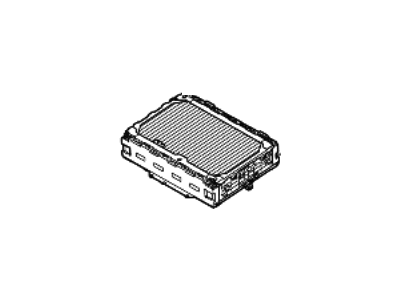
Kia Battery Module Assembly
Part Number: 375J6Q4001$2446.50 MSRP: $3500.00You Save: $1053.50 (31%)Ships in 1-3 Business DaysProduct Specifications- Manufacturer Note: (9S)
Kia Battery Module Assembly
Part Number: 375J5Q4002$2691.15 MSRP: $3850.00You Save: $1158.85 (31%)Ships in 1-3 Business DaysProduct Specifications- Manufacturer Note: SK CELL (10S)
Kia Battery Module Assembly
Part Number: 375J5Q4001$2691.15 MSRP: $3850.00You Save: $1158.85 (31%)Ships in 1-3 Business DaysProduct Specifications- Manufacturer Note: (10S)
Kia Battery Module Assembly
Part Number: 375J6Q4003$2931.14 MSRP: $4194.00You Save: $1262.86 (31%)Ships in 1-3 Business DaysProduct Specifications- Other Name: BATTERY MODULE ASSY
- Manufacturer Note: LG CELL(KET)(9S)
Kia Battery Module Assembly
Part Number: 375J5Q4003$3253.85 MSRP: $4655.00You Save: $1401.15 (31%)Ships in 1-3 Business DaysProduct Specifications- Other Name: BATTERY MODULE ASSY
- Manufacturer Note: LG CELL(KET)(10S)
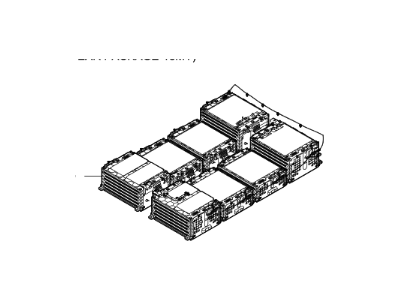
 Product Specifications
- Replaced by: 37510E4253
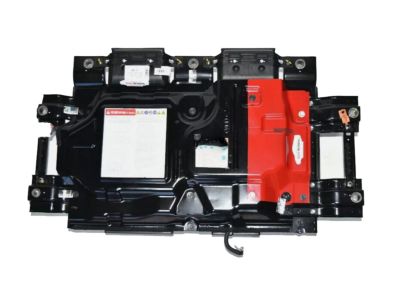
 Product Specifications
- Other Name: Battery
- Replaced by: 37510G0000
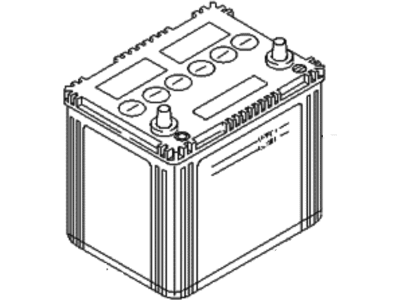
 Product Specifications
- Other Name: Battery Assembly
- Replaced by: 0K08A18520
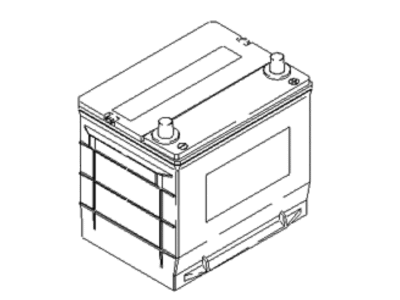

- Product Specifications
- Other Name: Battery Assembly
- Replaced by: 0K01118520B
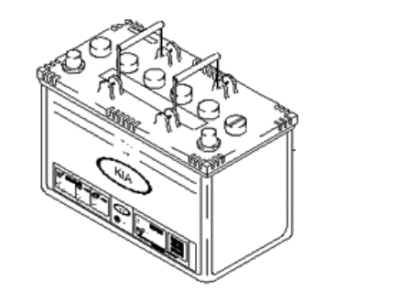
 Product Specifications
- Other Name: Battery Assembly
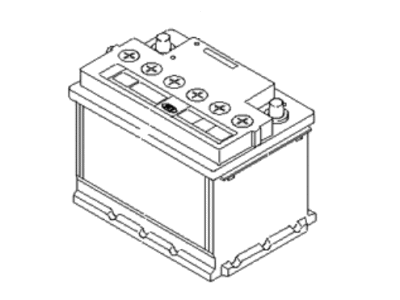
 Product Specifications
- Other Name: Battery Assembly
- Product Specifications
- Replaces: 0K95A18520D, 0K95A18520C
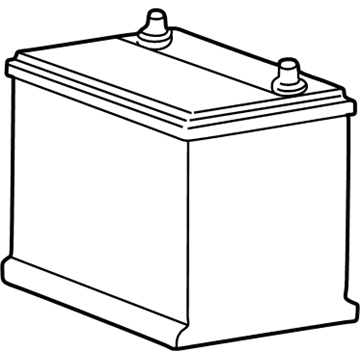
 Product Specifications
- Other Name: Battery Assembly; Battery
- Replaces: UT01018520
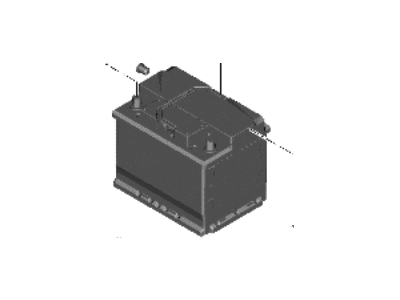
 Product Specifications
- Other Name: Battery
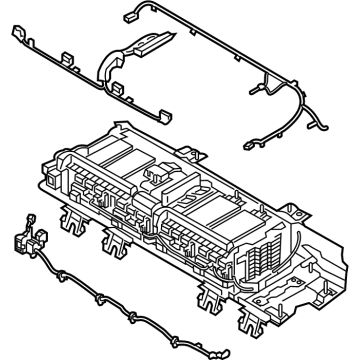
 Product Specifications
- Other Name: Battery, Battery Assembly
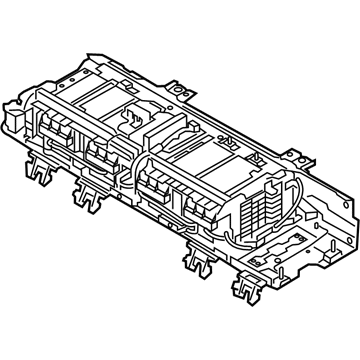
 Product Specifications
- Other Name: Battery
- Replaces: 37510G2100
- Product Specifications
- Other Name: Battery
- Replaces: 37510E6000
| Page 1 of 2 |Next >
1-20 of 28 Results
Kia Car Batteries Parts Questions & Experts Answers
- Q:How can routine preventive maintenance help prolong Kia Spectra Car Batteries?Posted by Kenny S.A:For a powerful start-up, adopting preventive maintenance measures to keep your vehicle's battery working is very important. Before any battery maintenance can be done, ensure that you have the right safety gear which includes face shield/safety goggles, baking soda, petroleum jelly, battery post/cable cleaner, treated felt washers, a puller and rubber gloves. When working on the battery always turn off the engine and disconnect the cable from its negative terminal as a measure to avoid accidents. Be aware of the fact that batteries produce highly flammable and explosive hydrogen gas and contain poisonous sulfuric acid. Do not spark any fire or smoke near it and charge in a well-ventilated place. Wear protective goggles for safety with kids staying away from it while checking external conditions like positive terminal protection (corrosion), loose connections (cracks) and clamps. If there is corrosion then remove the battery for cleaning starting by loosening cable clamp bolts then carefully disconnecting ground cable first. Cleanse cable clamps thoroughly using either battery brush or terminal cleaner plus warm water mixed with baking soda ensuring that corrosions are dealt without overdoing it. Clean terminals as well as the top part of the battery also using this solution taking care not to let it go into your battery while putting on safety goggles, rubber gloves and old clothes during this process. For heavily corroded terminals use a terminal cleaner. Rinse all cleaned areas with plain water; check condition of battery tray ensuring tightly held down clamp fasteners. When returning back the tray ensure no parts were left behind in there together with avoiding over tightening hold-down clamp bolts too much. To get rid of corrosion on hold-down components including around battery case, apply water with baking soda before rinsing all cleaned areas with plain water properly afterwards leaving them bare when done thus giving way to zinc based primer painting damaged metal parts due to corrosion.Battery charging involves slow-rate charging which restores deep discharged cells and maintains charge during infrequent use especially in winter. For safe and low-stress charging, it is best to use a one or two-amp battery charger which is often referred as a "trickle" charger; however, when faster charging is needed then higher amperage charger can be utilized provided that it does not exceed 1/10th of the battery's amp/hour rating. Avoid rapid boost charges which claim to restore the cells within one or two hours because they can damage batteries in poor condition apart from being set aside for emergencies. Generally, these chargers take 12 to 16 hours for a full charge but you have to observe specific charging times according to your charger's instructions.Answered by Kia Parts Specialist Mario / Sep 06, 2025
- Q:What essential steps and precautions should be part of a routine preventive maintenance program for Car Batteries in a Kia Optima?Posted by Zack B.A:At the beginning, it is recommended to adopt a preventive maintenance schedule on the battery of your car for quick and most efficient startup and the recommended safety equipments. Measures include switching off the engine and all access series, and unscrewing the negative terminal cable while working on it. The battery should not be charged near any source of ignition not to blow hydrogen gas which is flammable avoidance of smoking or use of lighted matches while charging it or placing the charging in a room that that is well aerated. Electrolyte has sulfuric acid considered as corrosive substance therefore safety glasses must be worn and contents of the electrolyte must not come into contact with skin or eyes or consumed. Examine the battery's outer shell and look at the positive post and cable lug, for signs of corrosion, loose connection or of the outer shell showing signs of cracking. If there is corrosion, then remove the battery to clean it, the ground cable should be disconnected first before the positive one. Rinse cable clamps with a battery brush containing a solution of warm water and baking soda without allowing the solution to get into the battery. The components of battery should be clean and the battery tray should not have any signs of rusting, while hold-down clamp bolts should be properly tightened not overly tightened. Any rusting metal should be put onto a zinc rich primer and auto-painted. On the charging, it is advised that you take out the battery from the car to avoid paint work destruction by the leaking gas, while slow rate charging is held as most effective means of recharging a flat battery. It is recommended to use a one or a two-amp charger, although any charger that is higher than this should not be more than 1/10 the ampere/hour of the battery. Some charging times differ, but for a trickle charger, it takes up to 12 to 16 hours. If there are cell caps, then it is necessary to take them off, if the holes are there, cover them with any cloth, and if the charger cable is like a star, connect it as it is shown on the picture. Watch the battery temperature when charging and if it is of the wet or gellable type, compare specific gravity by using a hydrometer on the removable cell caps. A fully charged battery should register 12.6 volts or more, and some of the Sealed Absorbed Glass Matt (-AGM) batteries contain integrate hydrometers, which helps check the charge level.Answered by Kia Parts Specialist Pablo / Feb 21, 2023
- Q:Why is a routine preventive maintenance program important for Car Batteries in your Kia Sedona?Posted by Henry L.A:For your vehicle to start well, it is very important to have a regular preventive maintenance program for the battery; however, it's necessary to have the right safety equipment before doing any battery maintenance which includes battery terminals cleaner or post/cable cleaner, treated felt washers, petroleum jelly, a puller, baking soda, rubber gloves and a face shield. Stop the engine and accessories when working on the battery and disconnect cable from its negative terminal as a precaution against accidents. Remember that hydrogen gas is flammable and explosive so you should keep away sparks smoking or open flames near it as well as charge it in a properly ventilated area. Battery electrolyte is made up of corrosive sulfuric acid hence one must ensure there is no contact with eyes or skin or clothes even children may be far away from it. Check if there are external conditions such as corroded connections, cracked case and damaged terminal covers present on the battery. In case of corrosion, remove the battery and clean both clamps of the cable plus terminals along with top using warm water mixed with baking soda ensuring you are wearing goggles for protection as well as gloves made out of rubber then rinse with water alone to be thorough. Verify that the tray where battery was placed in is still good state before reinstalling without leaving anything inside it. Reconnect cable clamps but don't overtighten on hold-down clamp bolts. Use a solution of water mixed with baking soda when cleaning off corrosion on hold-down components and related areas followed by rinsing with plain water only. Any metal parts damaged by corrosion should be covered with a zinc based primer and painted afterwards.Its better during winter to use a two amp charger in slowly charging back discharged batteries or maintaining charge while rotating all cells slowly in order to recharge them fully overnight.. In addition rapid boost charges should only be used for emergencies but they should not exceed 1/10th amp/hour rating of your batterly. The charger should come with a mean time of charging which is usually 12 to 16 hours for a trickle charger that performs the process slowly until your battery is fully charged.Answered by Kia Parts Specialist Philip / Apr 19, 2026