×
- Hello
- Login or Register
- Quick Links
- Live Chat
- Track Order
- Parts Availability
- RMA
- Help Center
- Contact Us
- Shop for
- Kia Parts
- Kia Accessories

My Garage
My Account
Cart
Genuine Kia Spectra Rack And Pinion
Steering Rack And Pinion- Select Vehicle by Model
- Select Vehicle by VIN
Select Vehicle by Model
orMake
Model
Year
Select Vehicle by VIN
For the most accurate results, select vehicle by your VIN (Vehicle Identification Number).
7 Rack And Pinions found
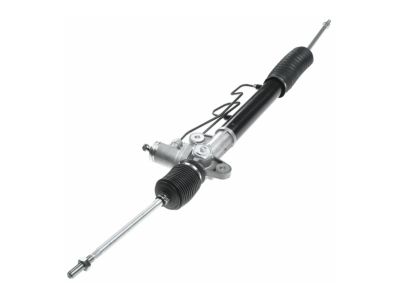
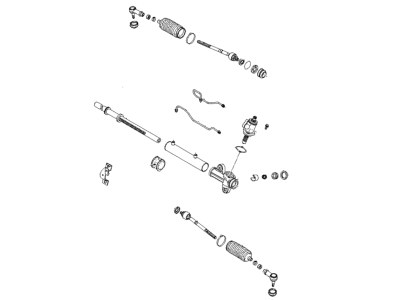

Kia Spectra Gear & Linkage Assembly
Part Number: 577002F100$671.37 MSRP: $960.47You Save: $289.10 (31%)Ships in 1-3 Business Days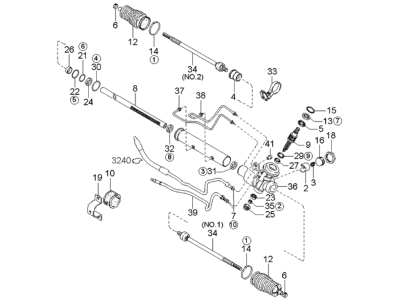

Kia Spectra Gear & Link, Power Steering
Part Number: 0K2C132110$534.55 MSRP: $788.42You Save: $253.87 (33%)Ships in 1-3 Business Days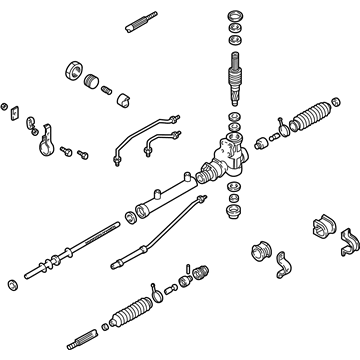
Kia Spectra Gear & Link Assembly
Part Number: 0K2N132110B$723.88 MSRP: $1067.67You Save: $343.79 (33%)Ships in 1-3 Business Days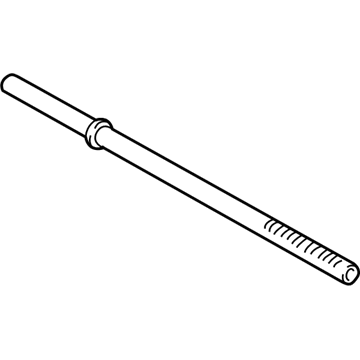
Kia Spectra Rack Assembly-Power Steering Gear Box
Part Number: 577102F000$131.30 MSRP: $191.12You Save: $59.82 (32%)Ships in 1-3 Business Days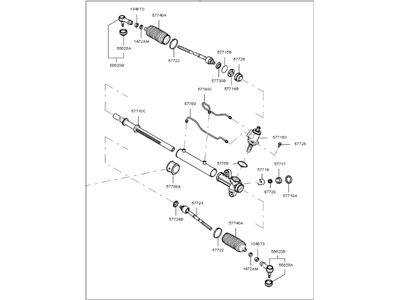

Kia Spectra Gear & Linkage Assembly
Part Number: 577002F101$671.37 MSRP: $960.47You Save: $289.10 (31%)Ships in 1-3 Business Days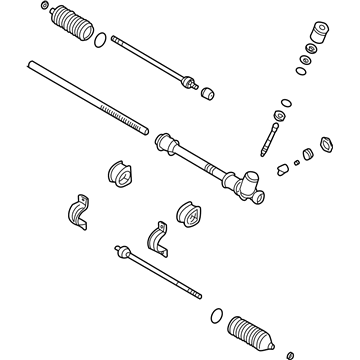

Kia Spectra Steering Gear Assembly
Part Number: 1K2C132110A$507.94 MSRP: $749.17You Save: $241.23 (33%)Ships in 1-3 Business DaysKia Spectra Gear & Link, Power Steering
Part Number: 0K2C132110A$529.19 MSRP: $780.52You Save: $251.33 (33%)Ships in 1-3 Business Days
Kia Spectra Rack And Pinion
Kia Spectra Rack And Pinion provides fast and precise steering movements via the rotation of the steering wheel, converting it into precise side-to-side movement at the front tires. Fixed inside a sturdy tube attached to the chassis, linear rack gear is connected to tie-rods and steering knuckles, while a pinion from the steering column is connected to the rack which pushes it left or right, making the wheels mirror almost instantly to every turn. Through the years, there were two styles of Rack And Pinion gears employed by Kia: straight and helical, with the straight ones preferred for lighter effort, cooler temperatures, and crisper feedback, while the helical variety can feel smoother but will generate more heat and wear out sooner. Power assist for the Rack And Pinion is either hydraulic fluid or electric motors, which are later, and both power the racks to assist the driver without dulling the road feel. Later Kia versions are still based on the tried and tested Rack And Pinion design and the basic Rack And Pinion mechanism is what makes every Spectra responsive and the fact that a Rack And Pinion mechanism is compact makes it nimble, stable, and simple to park, making Kia Spectra steering predictable even for a new driver.
If you're in search of top-notch, reasonably priced OEM Kia Spectra Rack And Pinion, then you've found the perfect spot. Our website boasts an extensive inventory of Kia Spectra Rack And Pinion, all priced at the market's premier price. Rest assured, every genuine part we offer comes with a warranty straight from the manufacturer.
Kia Spectra Rack And Pinion Parts Questions & Experts Answers
- Q:How to remove the Rack And Pinion from Kia Spectra?Posted by Rolando T.A:First, park your Sephia or Spectra with its wheels directly facing forward. Loosen the front wheel lug nuts, then lift the front and place thick jackstands underneath. First stop your car, then press the parking brake and fix the back wheels with blocking devices. Please remove the cable that connects to the negative battery post. To get rid of power steering fluid in the remote power steering tank, use a big syringe to suck it up or take out the liquid tube. Take the splash shield under the engine area out. Park the car, and remove the U-joint pinch bolt from the vehicle floor below the dashboard. Before that, take note of how the U-joint connects to the Rack And Pinion input shaft. Take off the bolts holding the cover in place around the Rack And Pinion input shaft, and leave it free to move. Pull off the tie-rod ends from their connection to the Steering Knuckles. On vehicles with manual transaxle, you need to disconnect the shift control lever and transmission extension tubes. Please put a pan underneath the Rack And Pinion to catch any leaking fluid as you disconnect and cap off the power steering pressure and return lines to avoid spills and contamination. Take off the bracket that holds the pressure and return lines before removing the Rack And Pinion. Start by removing the front exhaust for 2.0L cars, including the catalytic converter, and the bolts holding the engine mount at the back of the subframe. Crank up a jack to hold the subframe, remove both subframe mounting nuts and control arm bushing bracket bolts, and carefully lower the subframe just until the Rack And Pinion becomes reachable. From all models, detach the mounting bolts on both Rack And Pinion brackets, then slowly lower the Rack And Pinion to break the gear's input shaft connection from the U-joint of the intermediate shaft. Lift out the Rack And Pinion through the vehicle's right side opening, being careful to avoid damaging the sealing cap. Just the opposite, begin by matching the shaft marks on each end, then tighten all fasteners to their appropriate torque measures. After that, 2.0L relies on additional tightening for frame and rear arm brackets. Add the right steering fluid type, purge air from the system, check fluid again, then look for any leaks that might show up. Start the engine to make sure everything works fine and look for fluid leaks. Stop the engine and check each liquid level again. Reconnect the negative car battery cable and get the front suspension aligned if required.Answered by Kia Parts Specialist Mario / Jun 23, 2025
Related Kia Spectra Parts
 Kia Spectra Shock Absorber
 Kia Spectra Steering Wheel
 Kia Spectra Wheel Bearing
 Kia Spectra Power Steering Pump
 Kia Spectra Coil Springs
 Kia Spectra Control Arm
 Kia Spectra Wheel Cover
 Kia Spectra Sway Bar Link
 Kia Spectra Ball Joint
 Kia Spectra Sway Bar Bushing
 Kia Spectra Steering Knuckle
 Kia Spectra Coil Spring Insulator