×
- Hello
- Login or Register
- Quick Links
- Live Chat
- Track Order
- Parts Availability
- RMA
- Help Center
- Contact Us
- Shop for
- Kia Parts
- Kia Accessories

My Garage
My Account
Cart
Genuine Kia Sportage PCV Hose
PCV Valve Hose- Select Vehicle by Model
- Select Vehicle by VIN
Select Vehicle by Model
orMake
Model
Year
Select Vehicle by VIN
For the most accurate results, select vehicle by your VIN (Vehicle Identification Number).
19 PCV Hoses found
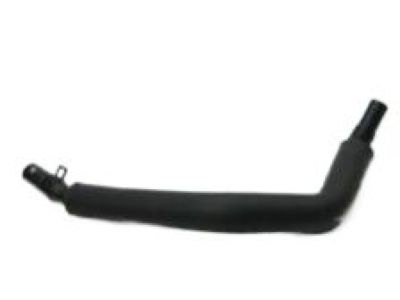
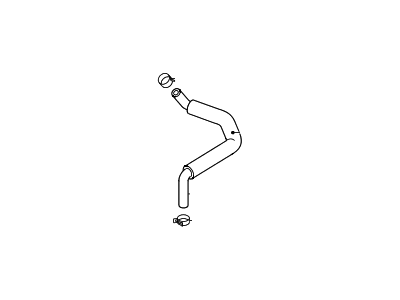

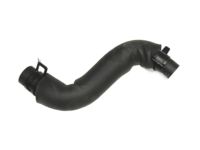
Kia Sportage PCV Hose Assembly
Part Number: 267202G751$21.17 MSRP: $28.68You Save: $7.51 (27%)Ships in 1-3 Business Days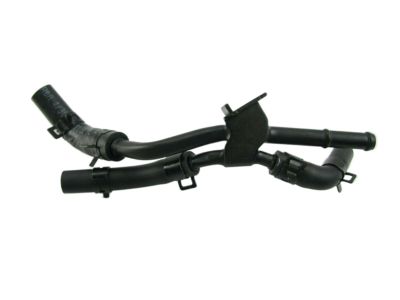
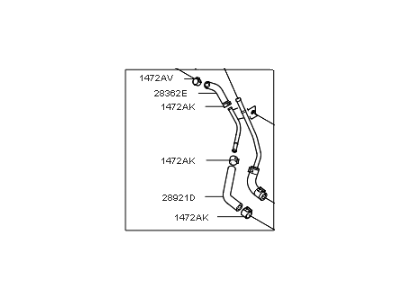
Kia Sportage Pipe & Hose Assembly-PCV
Part Number: 289312G700$54.31 MSRP: $74.20You Save: $19.89 (27%)Ships in 1-3 Business Days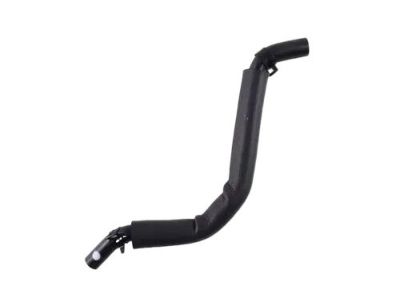
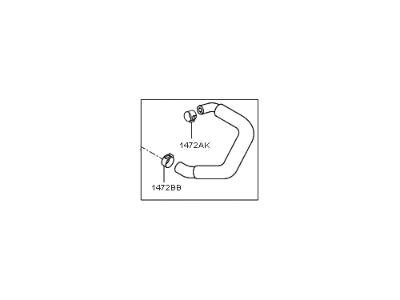

Kia Sportage PCV Hose Assembly
Part Number: 267202G000$20.77 MSRP: $29.72You Save: $8.95 (31%)Ships in 1-3 Business Days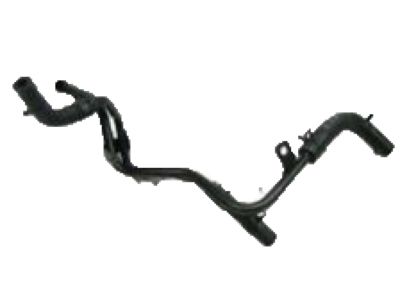
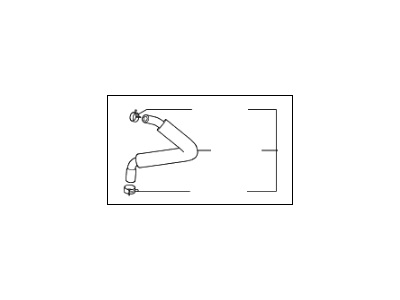

Kia Sportage PCV Hose Assembly
Part Number: 267202G761$16.34 MSRP: $23.38You Save: $7.04 (31%)Ships in 1-3 Business Days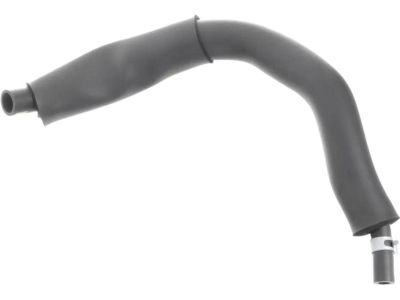
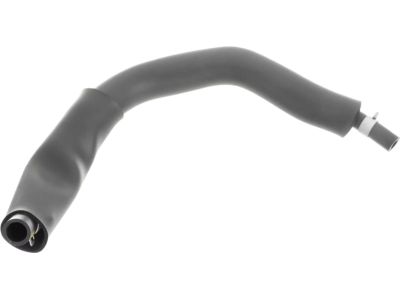
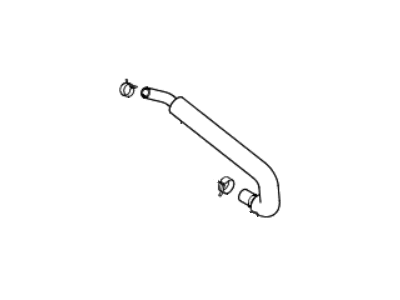

Kia Sportage PCV Hose Assembly
Part Number: 267202GTA2$43.87 MSRP: $59.93You Save: $16.06 (27%)Ships in 1-3 Business Days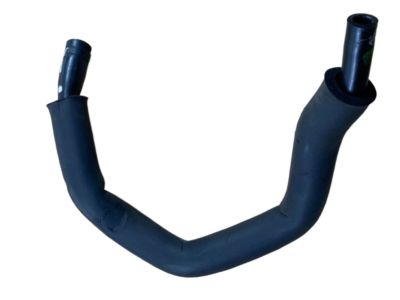
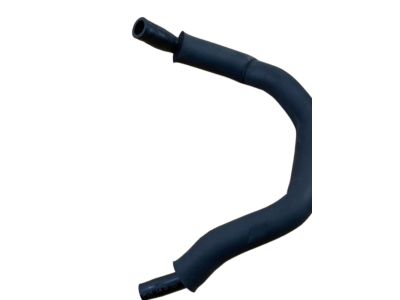
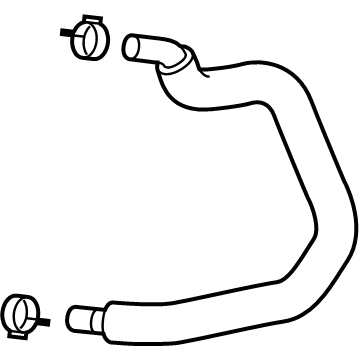

Kia Sportage PCV Hose Assembly
Part Number: 267202GTA0$27.11 MSRP: $38.78You Save: $11.67 (31%)Ships in 1-3 Business Days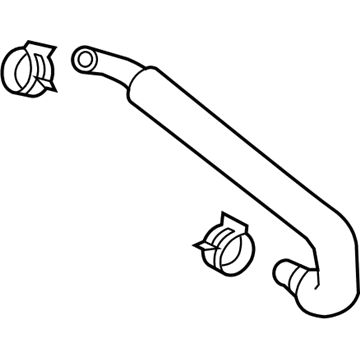

Kia Sportage PCV Hose Assembly
Part Number: 267202GGA0$34.43 MSRP: $49.68You Save: $15.25 (31%)Ships in 1-3 Business Days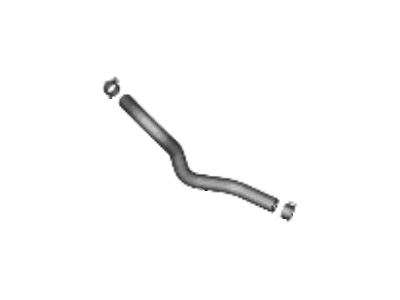

Kia Sportage Hose Assembly-PCSV
Part Number: 31341P0000$33.17 MSRP: $45.32You Save: $12.15 (27%)Ships in 1-3 Business Days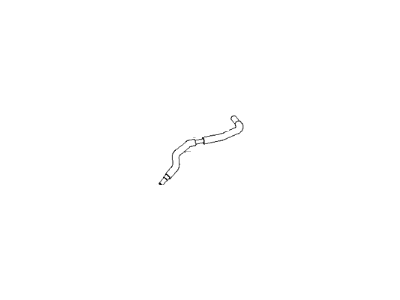

Kia Sportage Hose-PCV
Part Number: 2672137281$10.50 MSRP: $14.23You Save: $3.73 (27%)Ships in 1-3 Business DaysKia Sportage PCV Hose Assembly
Part Number: 267202G760$17.26 MSRP: $23.38You Save: $6.12 (27%)Ships in 1-3 Business Days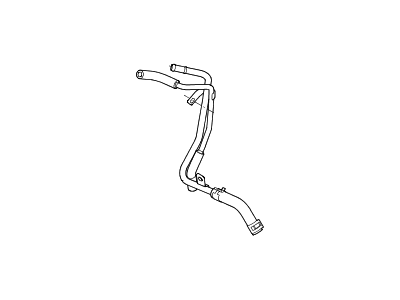
Kia Sportage Pipe & Hose Assembly-PCV
Part Number: 289312G090$54.81 MSRP: $74.88You Save: $20.07 (27%)Ships in 1-3 Business DaysKia Sportage Pipe & Hose Assembly-PCV
Part Number: 289312G080$54.81 MSRP: $74.88You Save: $20.07 (27%)Ships in 1-3 Business Days

Kia Sportage Pipe & Hose Assembly-PCV
Part Number: 289312GGB6$57.34 MSRP: $78.33You Save: $20.99 (27%)Ships in 1-3 Business Days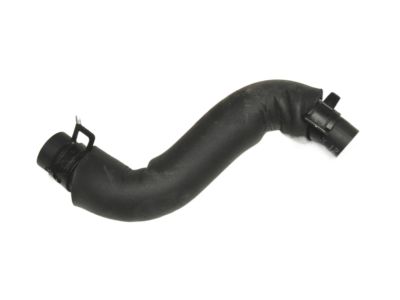
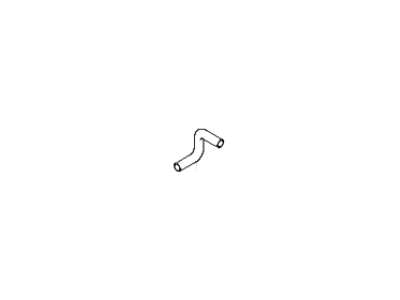

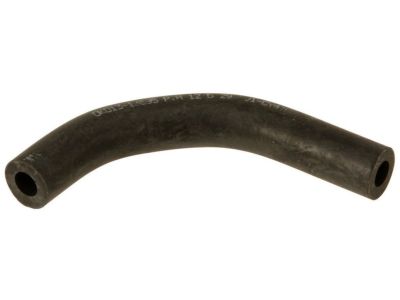

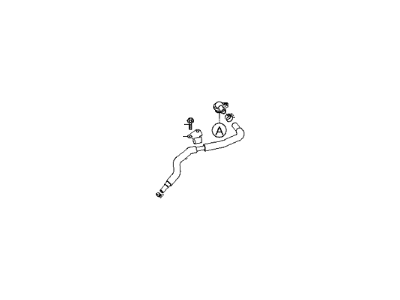

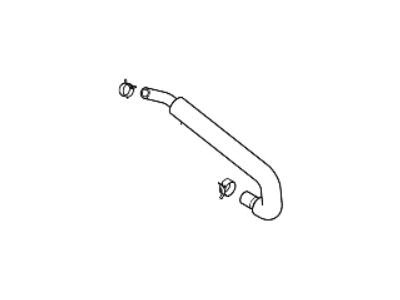


Kia Sportage PCV Hose
The Kia Sportage PCV Hose carries the crankcase vapors back to the engine to ensure that the mixture burns cleanly and the fuel economy remains steady. Acting as the bridge between the crankcase port and spring-loaded PCV valve, the PCV Hose allows the valve's sliding pintle to measure the amount of airflow while the hose sends the fumes to burning, trimming emissions. Through the years, Kia fitted the Sportage with a PCV Hose on either the driver or passenger side, which is a shift in layout rather than a change in basic design, and buyers must match the location to get a perfect seal. A cracked PCV Hose throws off the air-fuel balance, allowing for increased emissions and rough idle, but replacement is quick and inexpensive, bringing factory performance back. Owners of Kia Sportage models can expect to find direct fit PCV Hose options that snap onto stock clamps, keeping their Kia Sportage running smoothly.
If you're in search of top-notch, reasonably priced OEM Kia Sportage PCV Hose, then you've found the perfect spot. Our website boasts an extensive inventory of Kia Sportage PCV Hose, all priced at the market's premier price. Rest assured, every genuine part we offer comes with a warranty straight from the manufacturer.
Kia Sportage PCV Hose Parts Questions & Experts Answers
- Q:How to inspect and replace PCV Hose, rubber and plastic hoses in the engine, accessory, and emission systems on Kia Sportage?Posted by Staci L.A:The high temperatures under the hood, therefore, demand that rubber and plastic hoses be inspected regularly in the engine, accessory and emission systems to prevent deterioration. Material hardening ,leaks,crracks and looseness of clips should be sought for. Since most hoses are clamped they should always be kept in tension all time so that no leaks can occur .In addition there is need to check hoses without clamps as they may expand or harden thus potentially causing leakage.To avoid destructions by obstructions and damage it needs to be checked for this.Whereas vacuum hoses which usually have various color codes for identification are variable in wall thickness, collapse resistance and temperature resistance among others.Vacuum hoses should be replaced with ones of similar composition. Plastic t-fittings attached with these lines are likely to crack or deform .One only requires a few inches of a vacuum hose which can serve as a stethoscope of sorts by listening for any hissing sounds that accompany a vacuum leak.Vigilance is necessary when handling fuel hoses operating under pressure to determine their condition prior to installation as well as replacement since they are prone to chafing and cracking because of their current state.Spring type fasteners should not be used again on changing the hose but screw fasteners.Discover if metal tubes made from elongated steel pipes are bent broken or folded. If you have to replace them use seamless steel tubing instead .It also adds up that brake fluid will seep through when there is leaking in-between the lines posing great risks.Answered by Kia Parts Specialist Paul / Mar 05, 2026
Related Kia Sportage Parts
 Kia Sportage Vapor Pressure Sensor
 Kia Sportage Canister Purge Valve
 Kia Sportage PCV Valve
 Kia Sportage Vapor Canister
Browse by Year
2025 PCV Hose 2024 PCV Hose 2023 PCV Hose 2022 PCV Hose 2021 PCV Hose 2020 PCV Hose 2019 PCV Hose 2018 PCV Hose 2017 PCV Hose 2016 PCV Hose 2015 PCV Hose 2014 PCV Hose 2013 PCV Hose 2012 PCV Hose 2011 PCV Hose 2010 PCV Hose 2009 PCV Hose 2008 PCV Hose 2007 PCV Hose 2006 PCV Hose 2005 PCV Hose 2002 PCV Hose 2001 PCV Hose 2000 PCV Hose 1999 PCV Hose 1998 PCV Hose 1997 PCV Hose