×
- Hello
- Login or Register
- Quick Links
- Live Chat
- Track Order
- Parts Availability
- RMA
- Help Center
- Contact Us
- Shop for
- Kia Parts
- Kia Accessories

My Garage
My Account
Cart
Genuine Kia Optima Drive Belt
Serpentine Belt- Select Vehicle by Model
- Select Vehicle by VIN
Select Vehicle by Model
orMake
Model
Year
Select Vehicle by VIN
For the most accurate results, select vehicle by your VIN (Vehicle Identification Number).
13 Drive Belts found
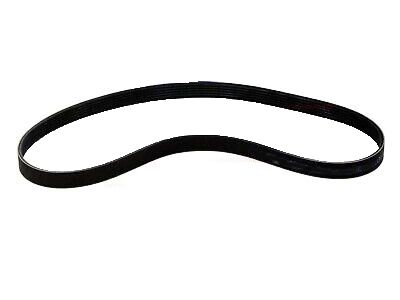

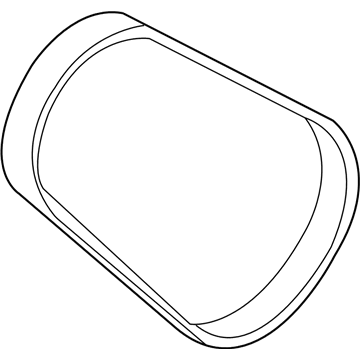
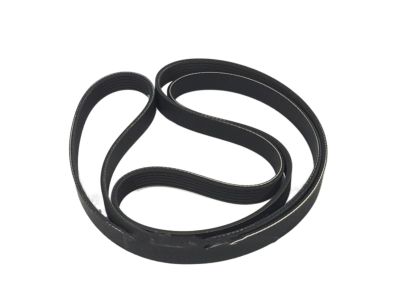
Kia Optima V Belt
Part Number: 252122GGB0$32.59 MSRP: $47.04You Save: $14.45 (31%)Ships in 1-3 Business Days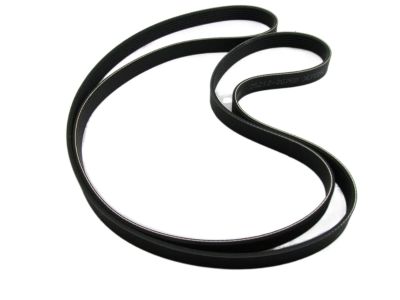
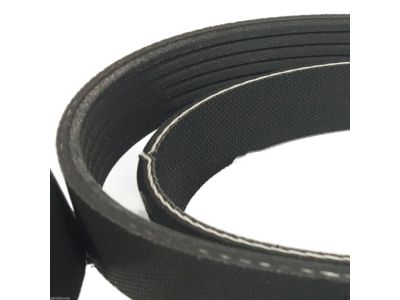
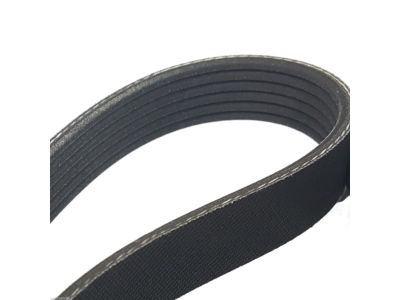
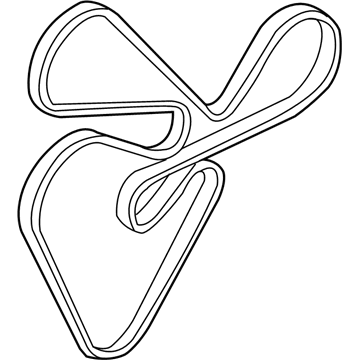

Kia Optima Drive Fan Belt V-Ribbed Belt
Part Number: 252122G760$37.34 MSRP: $53.89You Save: $16.55 (31%)Ships in 1-2 Business Days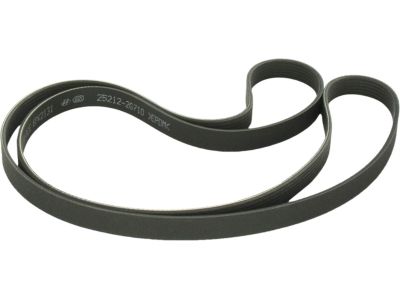
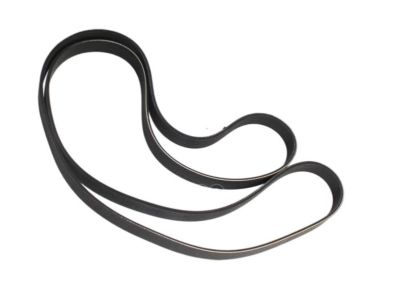

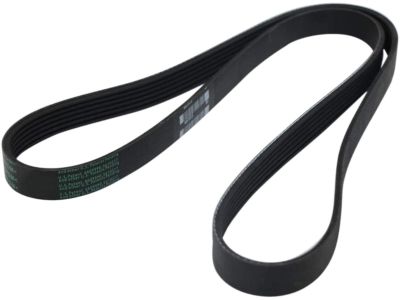
Kia Optima V Ribbed Belt
Part Number: 252122G710$32.59 MSRP: $47.04You Save: $14.45 (31%)Ships in 1-3 Business Days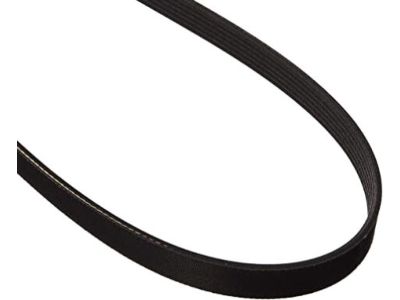
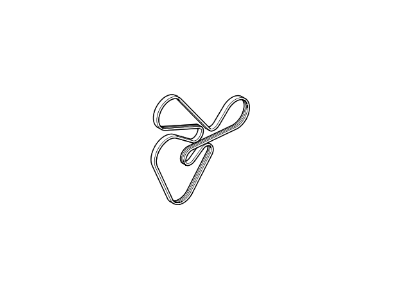

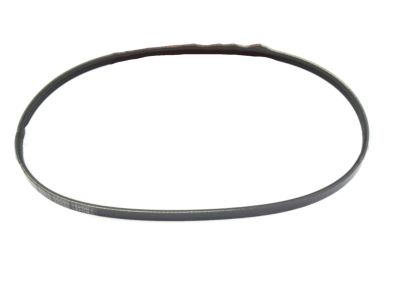
Kia Optima V-Ribbed Belt
Part Number: 2521225000$36.84 MSRP: $53.17You Save: $16.33 (31%)Ships in 1-3 Business Days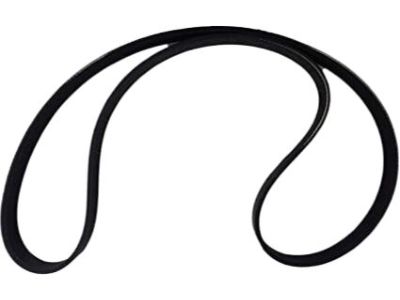
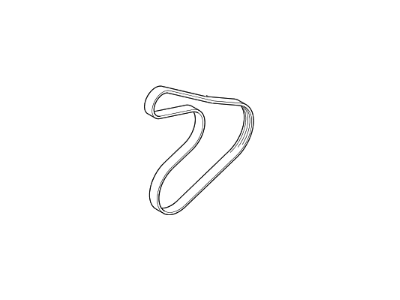

Kia Optima V Belt
Part Number: 252122B720$30.21 MSRP: $43.60You Save: $13.39 (31%)Ships in 1-2 Business Days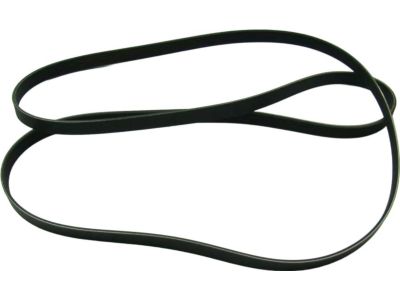
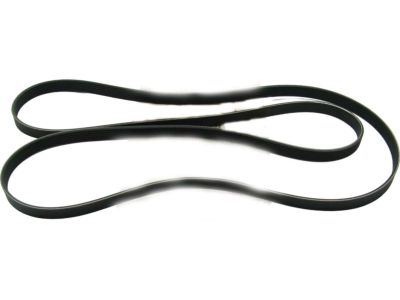
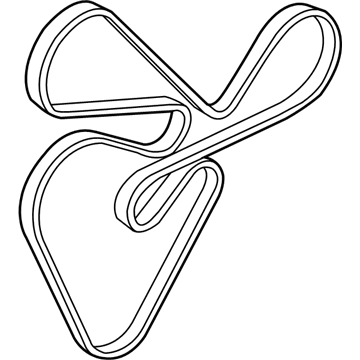
Kia Optima V Ribbed Belt
Part Number: 2521225020$37.01 MSRP: $53.40You Save: $16.39 (31%)Ships in 1-3 Business Days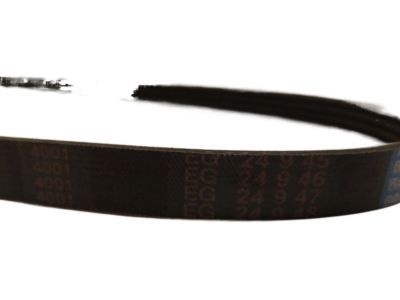
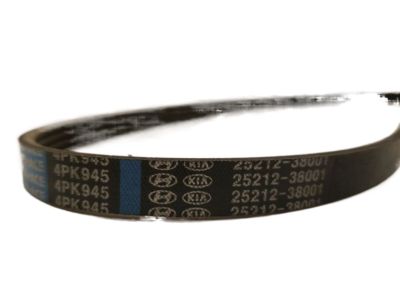
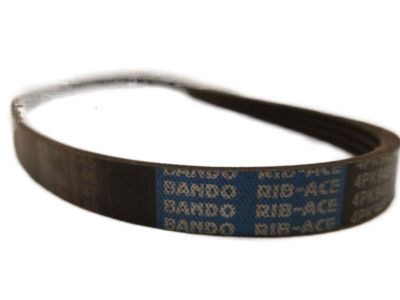
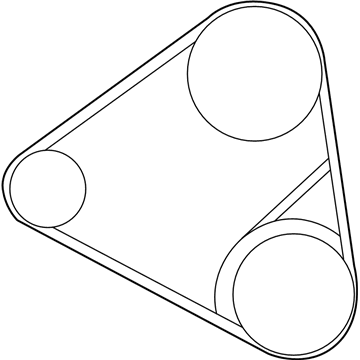

Kia Optima V Ribbed Belt
Part Number: 2521238001$22.81 MSRP: $32.63You Save: $9.82 (31%)Ships in 1-3 Business Days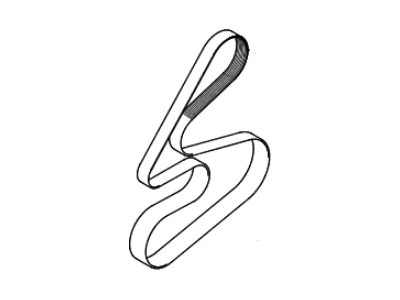
Kia Optima V-Ribbed Belt
Part Number: 252123E000$32.85 MSRP: $44.89You Save: $12.04 (27%)Ships in 1-3 Business Days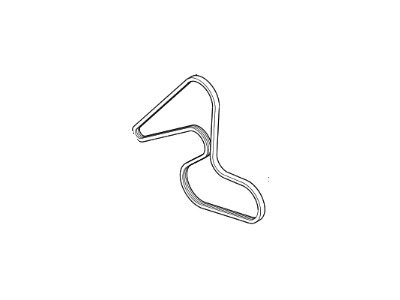

Kia Optima V Ribbed Belt
Part Number: 2521237181$32.90 MSRP: $44.95You Save: $12.05 (27%)Ships in 1-3 Business Days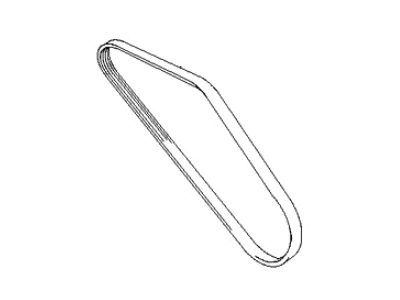
Kia Optima V Ribbed Belt
Part Number: 2521237110$32.89 MSRP: $44.93You Save: $12.04 (27%)Ships in 1-3 Business Days
Kia Optima Serpentine V-Ribbed Belt
Part Number: 2521237111$32.89 MSRP: $44.93You Save: $12.04 (27%)Ships in 1-3 Business Days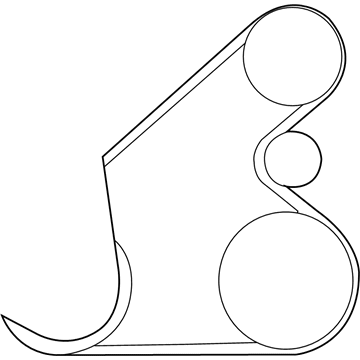

Kia Optima Drive Belt
The Kia Optima Drive Belt is what connects the engine crankshaft to essential components so that everything from the alternator to the air conditioner is running in coordination with everything else. Early designs were based on multiple fiber reinforced V-belts, but increasingly heavy component loads caused later versions of the Kia Optima sedan to use a single serpentine Drive Belt that loops through idler pulleys and a spring assisted tensioner, which saved space, increased efficiency, and eliminated the constant need for manual adjustments. This ribbed Drive Belt is modern and molded from a durable material, EPDM rubber, which gradually loses rib height instead of just cracking. The compound of the rubber is resistant to extreme heat and cold. Owners should pay attention to the rounded grooves, squeaks, or chirps indicating that the pulley is not aligned or the tensioner is weak. When heat, oil, fraying, or glazing are observed, immediate replacement will prevent slip that could cause stalled charging, steering, or cooling systems. Many Kia Optima cars can expect about 100,000 miles before their Drive Belt needs changing, but regular inspection with a simple wear gauge helps ensure that the last Drive Belt will never fail unexpectedly in a Kia Optima engine bay.
If you're in search of top-notch, reasonably priced OEM Kia Optima Drive Belt, then you've found the perfect spot. Our website boasts an extensive inventory of Kia Optima Drive Belt, all priced at the market's premier price. Rest assured, every genuine part we offer comes with a warranty straight from the manufacturer.
Kia Optima Drive Belt Parts Questions & Experts Answers
- Q:Why is inspecting and maintaining the Drive Belt on Kia Optima important?Posted by Evan F.A:The drivebelt(s) are located at the front of the engine, and their good condition and proper adjustment are critical to engine operation. Due to their composition and the high stresses they endure, drivebelts stretch and deteriorate over time, necessitating periodic inspection. With the engine off, open the hood and locate the drivebelts, using a flashlight to check for separation of the adhesive rubber, core separation, severed cores, cracking, or worn ribs. Inspect both sides of the belt by twisting it to check the underside and feeling for any damage. For four-cylinder engines from 2001 to 2006, check the tension by pushing on the belt halfway between the pulleys; it should deflect approximately 1/4-inch, while other models have a self-adjusting tensioner. To adjust the alternator belt, loosen the lower mounting bolt and upper tension bolts, then carefully tension the belt and tighten the bolts. For power steering pump and air conditioning compressor belts, loosen the lock bolt on the tensioner assembly and adjust the tension using the adjacent bolt before tightening the lock bolt. When replacing belts, remove any interfering components, release tension, and slip the belt off the pulleys. For engines with a self-adjusting tensioner, use a breaker bar to release tension before removing the belt. Always take the old belt to the parts store for comparison and ensure the new belt fits properly in the ribbed grooves of the pulleys, adjusting as necessary. It is advisable to replace both belts simultaneously if they tend to wear out together, marking each belt and its corresponding pulley groove for proper installation.Answered by Kia Parts Specialist Paul / Aug 15, 2025
Related Kia Optima Parts
 Kia Optima Alternator
 Kia Optima Timing Belt
 Kia Optima Timing Cover
 Kia Optima Rod Bearing
 Kia Optima Rocker Arm
 Kia Optima Crankshaft Pulley
 Kia Optima Piston Ring Set
 Kia Optima Timing Chain Guide
 Kia Optima Timing Chain Tensioner
 Kia Optima Crankshaft Gear
 Kia Optima Harmonic Balancer
Browse by Year
2020 Drive Belt 2019 Drive Belt 2018 Drive Belt 2017 Drive Belt 2016 Drive Belt 2015 Drive Belt 2014 Drive Belt 2013 Drive Belt 2012 Drive Belt 2011 Drive Belt 2010 Drive Belt 2009 Drive Belt 2008 Drive Belt 2007 Drive Belt 2006 Drive Belt 2005 Drive Belt 2004 Drive Belt 2003 Drive Belt 2002 Drive Belt 2001 Drive Belt 2000 Drive Belt