×
- Hello
- Login or Register
- Quick Links
- Live Chat
- Track Order
- Parts Availability
- RMA
- Help Center
- Contact Us
- Shop for
- Kia Parts
- Kia Accessories

My Garage
My Account
Cart
Genuine Kia Spectra Spool Valve
VTEC Solenoid- Select Vehicle by Model
- Select Vehicle by VIN
Select Vehicle by Model
orMake
Model
Year
Select Vehicle by VIN
For the most accurate results, select vehicle by your VIN (Vehicle Identification Number).
2 Spool Valves found
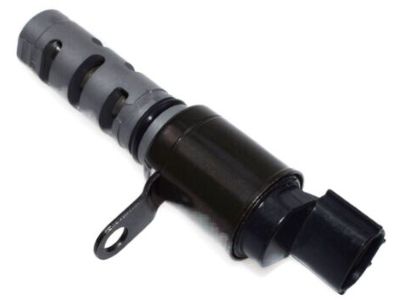
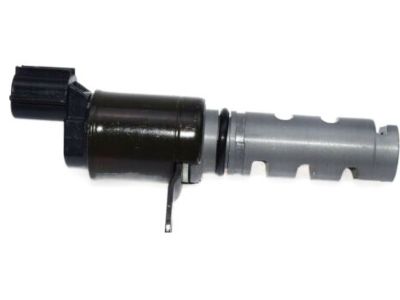
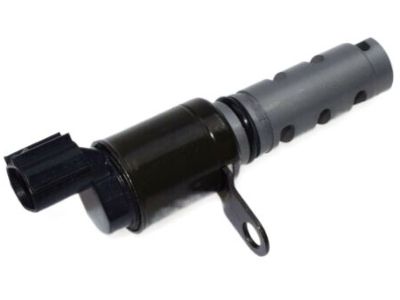
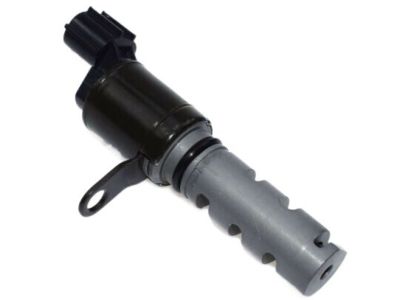

Kia Spectra Oil Control Valve As
Part Number: 2435523770$181.83 MSRP: $264.67You Save: $82.84 (32%)Ships in 1-3 Business Days

Kia Spectra Oil Control Valve As
Part Number: 2435523763$181.83 MSRP: $264.67You Save: $82.84 (32%)Ships in 1-3 Business Days
Kia Spectra Spool Valve
The Kia Spectra Spool Valve optimizes valve timing so the engine breathes at the ideal moment for both brisk acceleration and steady cruising. Acting as the electronic gatekeeper inside the variable valve timing system, the Spool Valve redirects oil pressure commanded by the ECU, advancing or retarding the cam with respect to the crank in much the same way as you would select a different keyway or offset bushing on a mechanical timing set. By moving lift events only a few degrees, the device is able to add low-end torque when advanced or extend high RPM power when retarded, preventing the horsepower losses that occur when timing marks drift. Early Kia models and the original Spectra lineup applied the Spool Valve with traditional chains and sprockets, and later Spectra editions and modern Kia models enjoy more robust gear drive or belt drive layouts which resist stretch and vibration and enable the Spool Valve to maintain cam phasing with better precision. Every Kia Spectra is dependent on this small Spool Valve to bring you smooth efficiency, dependable torque, and responsive power.
If you're in search of top-notch, reasonably priced OEM Kia Spectra Spool Valve, then you've found the perfect spot. Our website boasts an extensive inventory of Kia Spectra Spool Valve, all priced at the market's premier price. Rest assured, every genuine part we offer comes with a warranty straight from the manufacturer.
Kia Spectra Spool Valve Parts Questions & Experts Answers
- Q:How to replace the Spool Valve of the CWT system on Kia Spectra?Posted by Olena M.A:The CWT system enhances fuel consumption and decreases the amount of nitrogen oxide (NOx) released into the atmosphere through continuously changing intake camshaft phase and, as a result, valve overlap possibilities. In response to shifting operating conditions, the CWT system varies intake valve timing incessantly. The Camshaft Position (CMP) sensor, oil temperature sensor, other sensors, Powertrain Control Module (PCM), oil control valve and CWT assembly itself located on the end of the exhaust camshaft make up the CWT system. The PCM processes this information by taking inputs from several sources such as: Oil Pressure/Temperature; Engines camshafts & crankshafts position; Vehicle speed etc. It then uses this processed information to send signals to open or close an OCV command may be sent by itself in response to some input. Home mechanics are not trained to diagnose faults in the control of VCT systems. However there are components that you can replace at home. Component replacement procedure for CWT assembly is provided in 2A below: The procedure for replacing OCV and its filter is contained herein below: Elsewhere in this guide are procedures for replacing various other sensors. It is situated on top left corner of cylinder head next to intake manifold . Take off engine cover. Unplug electrical connector from OCV.Remove bolt retaining OCV and extract it.Then install what you have removed vice versa.Oil control valves filter is underneath oil control valve threaded into left side of cylinder head.Take off engine cover.Unscrew OCV filter.Remove old gasket of old oil control valves installation is similar with removal.Ensure use of OCV filter gasket with secure tightening.Be sure that your engine does cool before doing it.This sensor sits below oil control valve at front engine.Put rags under sensor where any spillage may occur.Disconnect wiring from it then remove.Use wrench only on hex flats of sensor so as not spoil its shape.Fit it back the way you remove.Answered by Kia Parts Specialist Sheldon / Mar 04, 2025