×
- Hello
- Login or Register
- Quick Links
- Live Chat
- Track Order
- Parts Availability
- RMA
- Help Center
- Contact Us
- Shop for
- Kia Parts
- Kia Accessories

My Garage
My Account
Cart
Genuine Kia Sportage Exhaust Manifold
Engine Exhaust Manifold- Select Vehicle by Model
- Select Vehicle by VIN
Select Vehicle by Model
orMake
Model
Year
Select Vehicle by VIN
For the most accurate results, select vehicle by your VIN (Vehicle Identification Number).
21 Exhaust Manifolds found
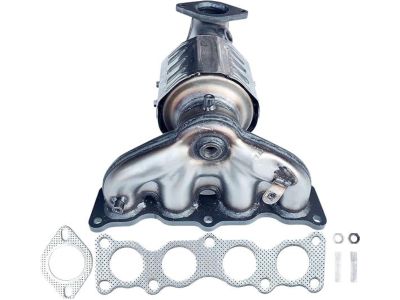
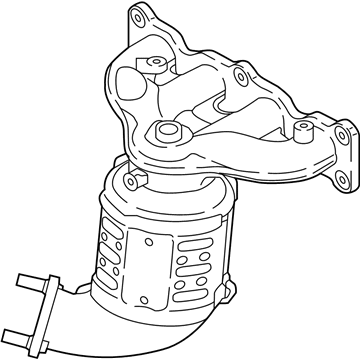

Kia Sportage Exhaust Manifold Catalytic Assembly
Part Number: 285102GBB0$1390.15 MSRP: $2050.00You Save: $659.85 (33%)Ships in 1-3 Business Days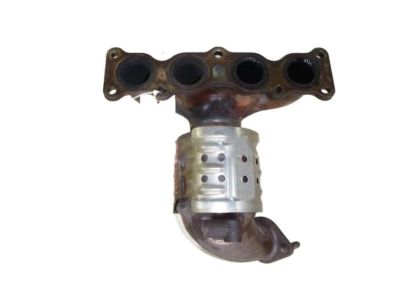
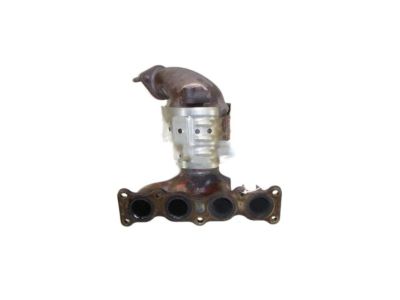
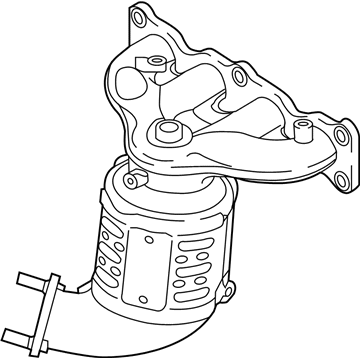
Kia Sportage Exhaust Manifold Catalytic Assembly
Part Number: 285102GBA0$1294.18 MSRP: $1909.00You Save: $614.82 (33%)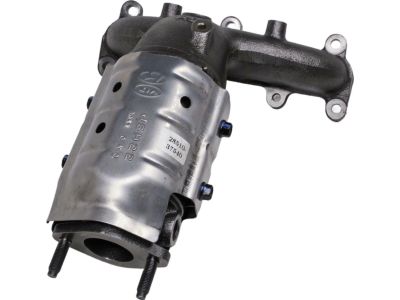
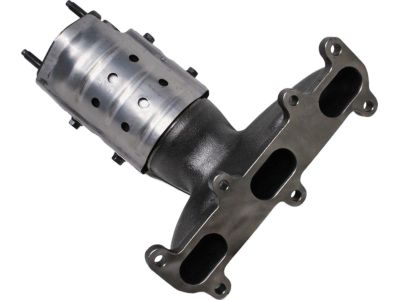
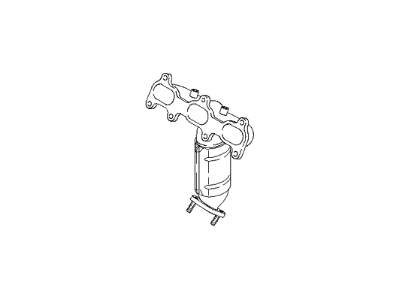

Kia Sportage Exhaust Manifold Assembly, Right
Part Number: 2851037540$1172.19 MSRP: $1728.90You Save: $556.71 (33%)Ships in 1-3 Business Days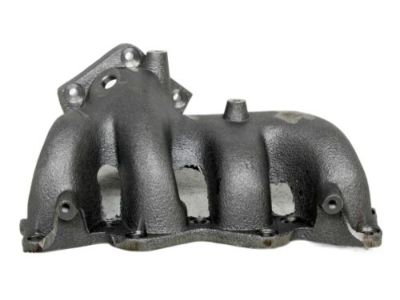
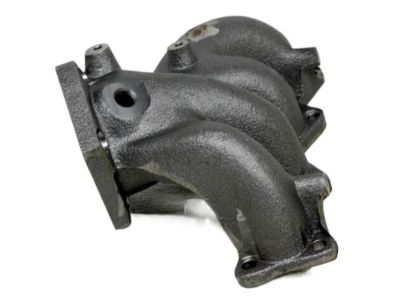
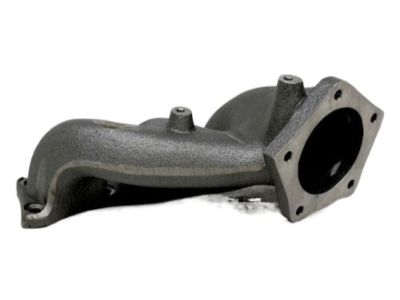
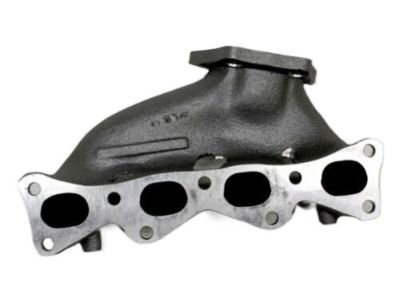
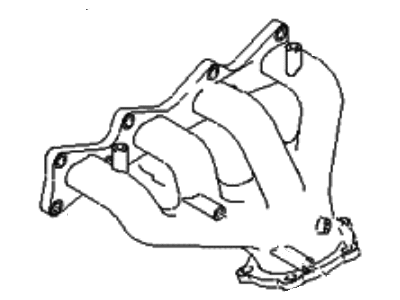

Kia Sportage Exhaust Manifold Assembly
Part Number: 0K08A13451C$238.33 MSRP: $349.05You Save: $110.72 (32%)Ships in 1-3 Business Days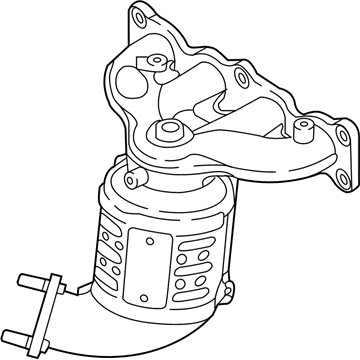
Kia Sportage Exhaust Manifold Catalytic Assembly
Part Number: 285102GCG0$2496.20 MSRP: $3682.00You Save: $1185.80 (33%)Ships in 1-3 Business Days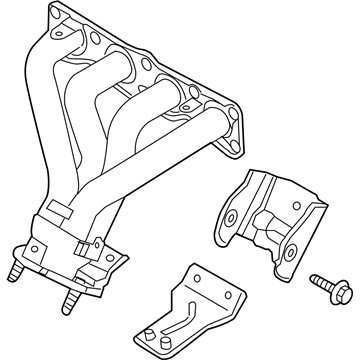

Kia Sportage Exhaust Manifold Module
Part Number: 285002G300$404.87 MSRP: $592.95You Save: $188.08 (32%)Ships in 1-3 Business DaysKia Sportage Exhaust Manifold Assembly, Right
Part Number: 2851037520$1172.19 MSRP: $1728.90You Save: $556.71 (33%)Ships in 1-3 Business Days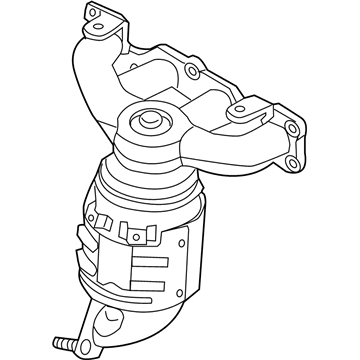

Kia Sportage Exhaust Manifold Catalytic Assembly
Part Number: 285102G580$1620.80 MSRP: $2390.57You Save: $769.77 (33%)Ships in 1-3 Business Days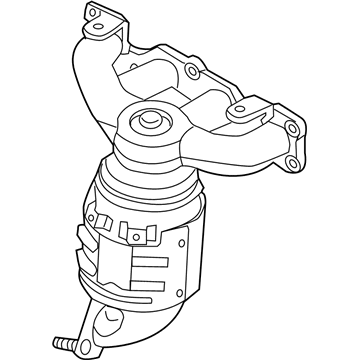
Kia Sportage Exhaust Manifold Catalytic Assembly
Part Number: 285102G260$4500.12 MSRP: $6637.35You Save: $2137.23 (33%)Ships in 1-3 Business DaysKia Sportage Exhaust Manifold Assembly, Right
Part Number: 2851037760$864.68 MSRP: $1275.33You Save: $410.65 (33%)Ships in 1-3 Business DaysKia Sportage Exhaust Manifold Assembly, Right
Part Number: 2851037940$891.37 MSRP: $1314.70You Save: $423.33 (33%)Ships in 1-3 Business Days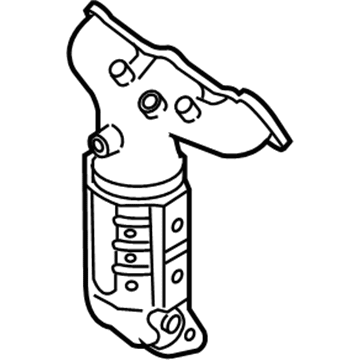
Kia Sportage Exhaust Manifold Assembly, Left
Part Number: 2851037910$1008.80 MSRP: $1487.90You Save: $479.10 (33%)Ships in 1-3 Business Days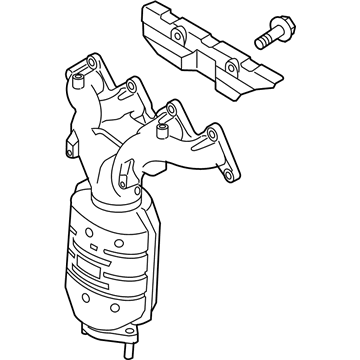
Kia Sportage Exhaust Manifold Assembly
Part Number: 2851023780$1335.40 MSRP: $1969.62You Save: $634.22 (33%)Ships in 1-3 Business DaysKia Sportage Exhuast Manifold Assembly
Part Number: 2851023770$1847.26 MSRP: $2724.57You Save: $877.31 (33%)Ships in 1-3 Business DaysKia Sportage Exhaust Manifold Catalytic Assembly
Part Number: 285102GBJ0$1895.65 MSRP: $2796.00You Save: $900.35 (33%)Ships in 1-3 Business DaysKia Sportage Exhaust Manifold Catalytic Assembly
Part Number: 285102G540$3399.11 MSRP: $5013.43You Save: $1614.32 (33%)Ships in 1-3 Business Days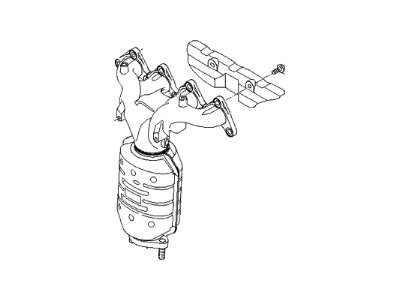
Kia Sportage Exhaust Manifold Catalytic Assembly
Part Number: 2851023AA0$2331.22 MSRP: $3335.08You Save: $1003.86 (31%)Ships in 1-3 Business Days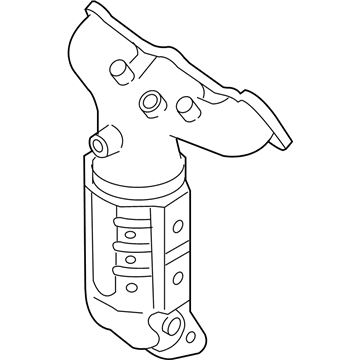

Kia Sportage Exhaust Manifold Assembly, Left
Part Number: 2850037530$852.10 MSRP: $1256.78You Save: $404.68 (33%)Ships in 1-3 Business DaysKia Sportage Exhaust Manifold Assembly
Part Number: 0K08A13451B$248.17 MSRP: $349.05You Save: $100.88 (29%)Ships in 1-3 Business Days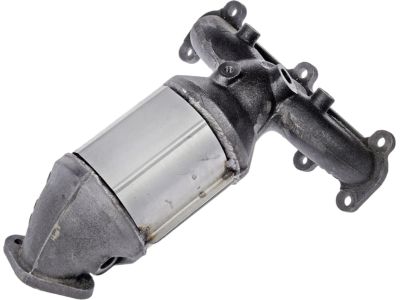
| Page 1 of 2 |Next >
1-20 of 21 Results
Kia Sportage Exhaust Manifold
The Kia Sportage Exhaust Manifold gathers hot gases from each of the cylinders and directs them into a single outlet, which routes the flow of exhaust to the catalytic converter and muffler and away from the passengers in a way that keeps the dangerous fumes from reaching the passengers. In the early generations of Sportage, the manifold was a thick cast iron unit bolted to the cylinder head with a gasket to provide a seal of heat and pressure, but the later versions of the Kia sometimes applied welded stainless steel tubes, which saved weight and provided increased gas velocity. Both styles are based on the use of tight bolts and high temperature gaskets to keep out leakages, and many have a heat shield to protect surrounding parts and the floor of the cabin from the heat. Some modern models of Kia vehicles incorporate the catalytic converter or oxygen sensor port into the Exhaust Manifold, which enables faster warm-up and better fuel control. Regardless of the material, the Exhaust Manifold must withstand constant thermal expansion, which can cause cracks, leading to loss of power, noise, and toxic fumes reaching the Sportage cabin. Replacing a failed Exhaust Manifold restores airflow, prevents intake reversion, and allows the Kia engine to run smoother, with tubular versions adding a modest horsepower bump. All in all, maintaining the Sportage Exhaust Manifold ensures that performance, efficiency, and occupant safety are not compromised.
If you're in search of top-notch, reasonably priced OEM Kia Sportage Exhaust Manifold, then you've found the perfect spot. Our website boasts an extensive inventory of Kia Sportage Exhaust Manifold, all priced at the market's premier price. Rest assured, every genuine part we offer comes with a warranty straight from the manufacturer.
Kia Sportage Exhaust Manifold Parts Questions & Experts Answers
- Q:How to remove and install an exhaust manifold on Kia Sportage for four cylinder engine?Posted by Greggory N.A:Ideally, before performing any operation, turn off the car by detaching the cable of the negative terminal of the battery. Disconnect the exhaust manifold oxygen sensor electrical connecter and if replacing with a new one, then remove the sensor also. Subsequent to this, unbolt the heat shield bolts on the manifold and fit the helped of heat shield away. Spray penetrating oil on the exhaust manifold bolts/nuts and also on the exhaust pipe nuts. Lift the car and put it on lifter jacks and then pull of the engine splash shields. Remove exhaust flange nuts, and supporting bracket bolts along with nut of catalytic converter flange Finally untwine the exhaust pipe from manifold and the catalytic converter and then lower the vehicle. Loosen and take off the manifold nuts and separate the manifold from the Cylinder Head using penetrating oil if the nuts are tightly fixed, let them to soak for 15mins before you continue. If any bolts or studs break during removal, they can be removed using the locking pliers when the manifold is off, and for the broken stud, you could purchase the stud removal tools at any automotive store. Any part that is damaged should be replaced with the factory part or a part belonging to the exhaust system. For installation, all filthy deposits and all gasket material must first be scraped off using a scraper from the mating surfaces of the manifold and cylinder head but extra caution should be taken not to mar the aluminum cylinder head. Place a new exhaust manifold gasket over the studs on the cylinder head; then, place the exhaust manifold over it and screw in the nuts. Secure the nuts from the center in the outward direction with the intended torque; reassemble the other parts in the opposite direction. If the oxygen sensor is to be reinstalled, use special anti-seize thread lubricant. Last, turn on the engine and look for exhaust heater noise.Answered by Kia Parts Specialist Pablo / Jun 26, 2024
Related Kia Sportage Parts
 Kia Sportage Emblem
 Kia Sportage Oxygen Sensor
 Kia Sportage Seat Belt
 Kia Sportage Headlight
 Kia Sportage Door Handle
 Kia Sportage Window Regulator
 Kia Sportage Door Lock Actuator
 Kia Sportage Catalytic Converter
 Kia Sportage EGR Valve
 Kia Sportage Bumper
 Kia Sportage Lift Support
 Kia Sportage Spare Wheel
Browse by Year
2026 Exhaust Manifold 2022 Exhaust Manifold 2021 Exhaust Manifold 2020 Exhaust Manifold 2019 Exhaust Manifold 2018 Exhaust Manifold 2017 Exhaust Manifold 2016 Exhaust Manifold 2015 Exhaust Manifold 2014 Exhaust Manifold 2013 Exhaust Manifold 2012 Exhaust Manifold 2011 Exhaust Manifold 2010 Exhaust Manifold 2009 Exhaust Manifold 2008 Exhaust Manifold 2007 Exhaust Manifold 2006 Exhaust Manifold 2005 Exhaust Manifold 2002 Exhaust Manifold 2001 Exhaust Manifold 2000 Exhaust Manifold 1999 Exhaust Manifold 1998 Exhaust Manifold 1997 Exhaust Manifold