×
- Hello
- Login or Register
- Quick Links
- Live Chat
- Track Order
- Parts Availability
- RMA
- Help Center
- Contact Us
- Shop for
- Kia Parts
- Kia Accessories

My Garage
My Account
Cart
Genuine Kia Optima Axle Shaft
Car Axle Shaft- Select Vehicle by Model
- Select Vehicle by VIN
Select Vehicle by Model
orMake
Model
Year
Select Vehicle by VIN
For the most accurate results, select vehicle by your VIN (Vehicle Identification Number).
68 Axle Shafts found
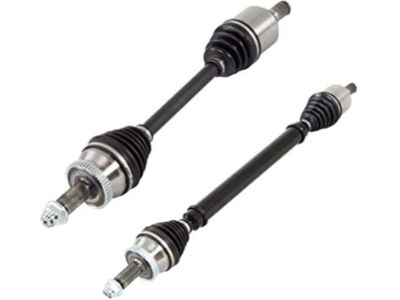
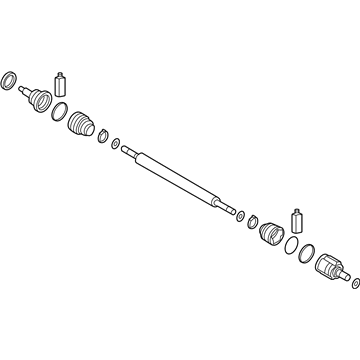

Kia Optima Drive Shaft Assembly Left Hand
Part Number: 49500D4200$506.31 MSRP: $724.34You Save: $218.03 (31%)Ships in 1-3 Business Days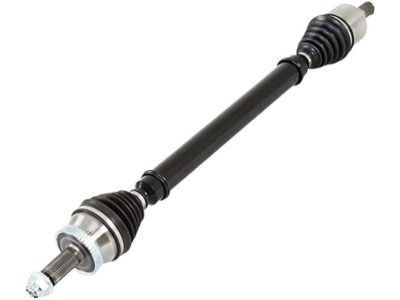
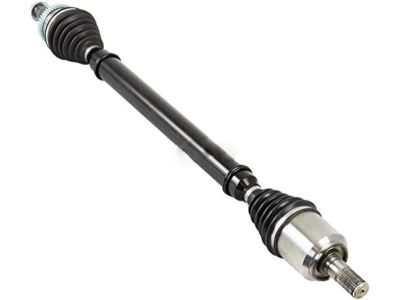
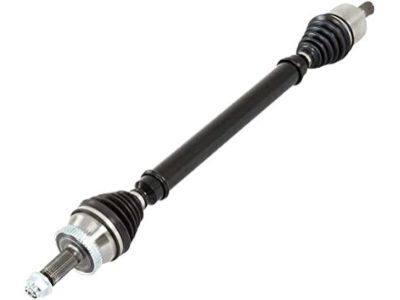
Kia Optima Drive Shaft Assembly Right Hand
Part Number: 49501D4250$503.42 MSRP: $720.20You Save: $216.78 (31%)Ships in 1-3 Business Days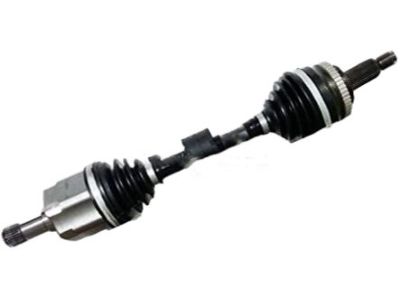
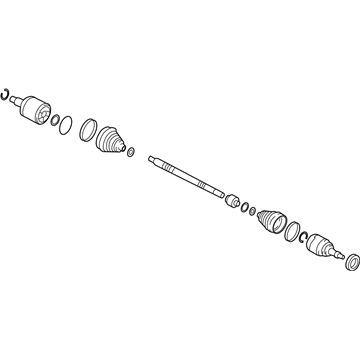

Kia Optima CV Joint Assembly Left Hand
Part Number: 495003S201$470.74 MSRP: $694.30You Save: $223.56 (33%)Ships in 1-3 Business Days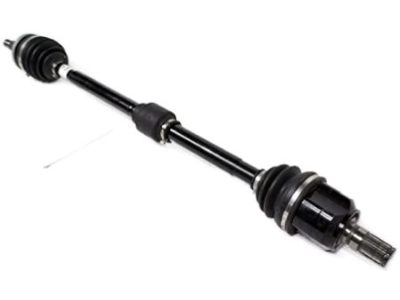
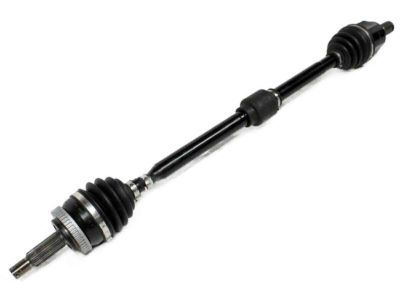
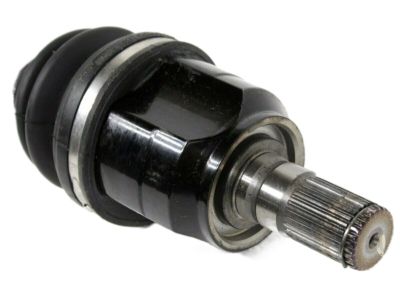
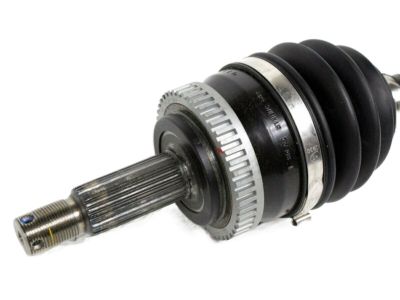

Kia Optima CV Joint Assembly Right Hand
Part Number: 495014C350$554.54 MSRP: $817.90You Save: $263.36 (33%)Ships in 1-2 Business Days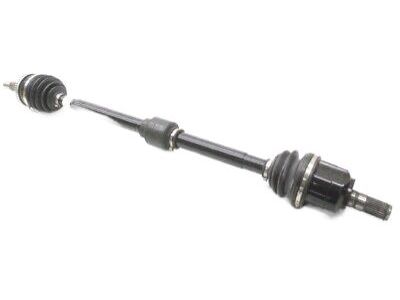
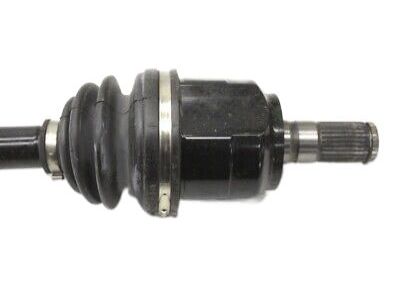
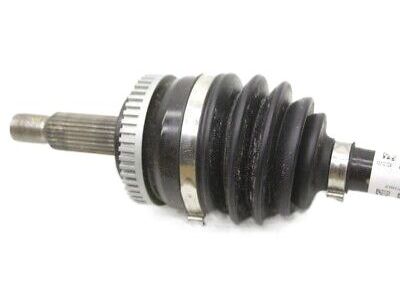
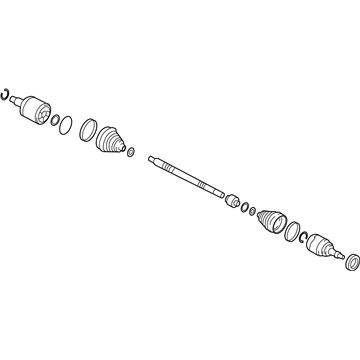

Kia Optima CV Joint Assembly Right Hand
Part Number: 495014C370$554.43 MSRP: $817.75You Save: $263.32 (33%)Ships in 1-3 Business Days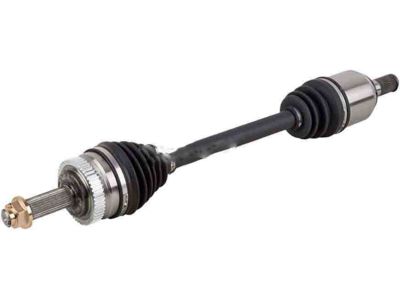
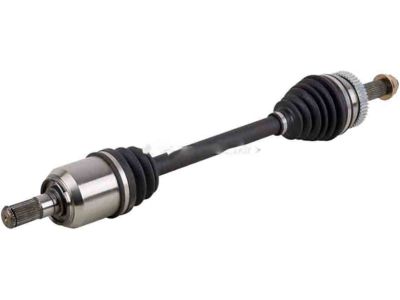
Kia Optima CV Joint Assembly Left Hand
Part Number: 495004C300$567.85 MSRP: $837.53You Save: $269.68 (33%)Ships in 1-3 Business Days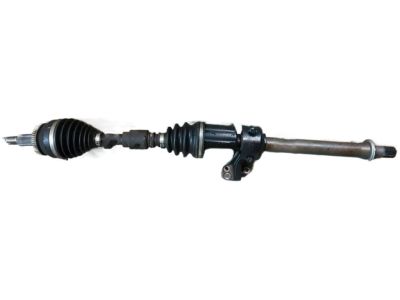
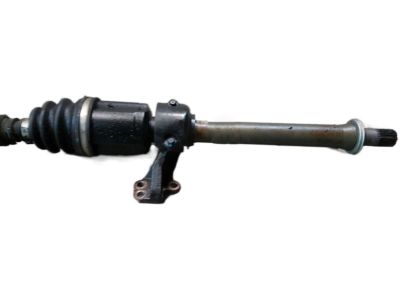
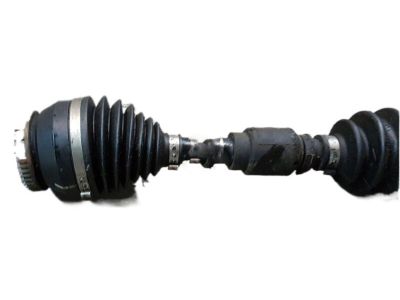
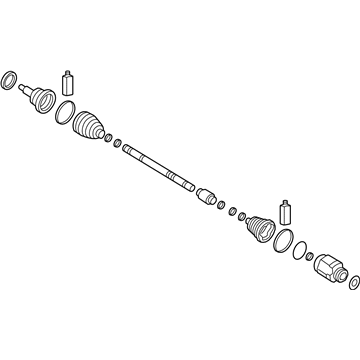
Kia Optima Drive Shaft Assembly Right Hand
Part Number: 49501D4350$587.72 MSRP: $840.80You Save: $253.08 (31%)Ships in 1-3 Business Days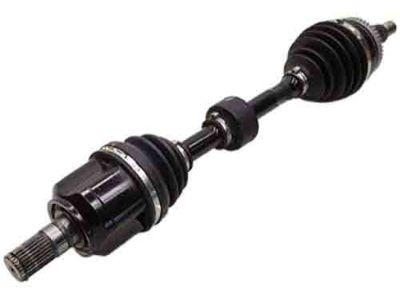
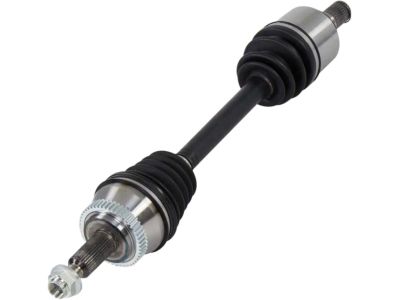
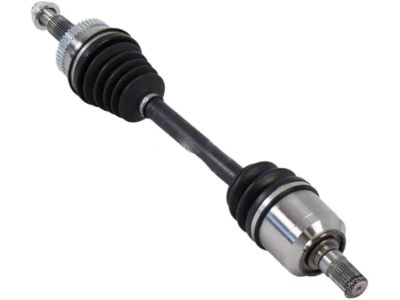
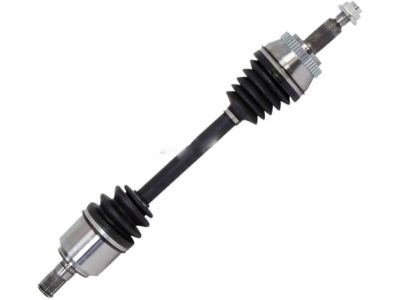
Kia Optima CV Joint Assembly Left Hand
Part Number: 495004C700$567.76 MSRP: $837.40You Save: $269.64 (33%)Ships in 1-2 Business Days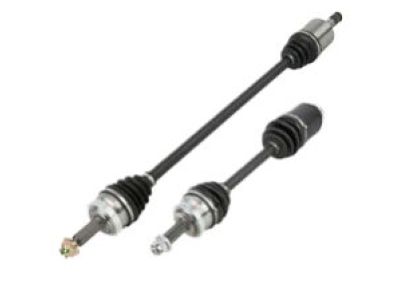
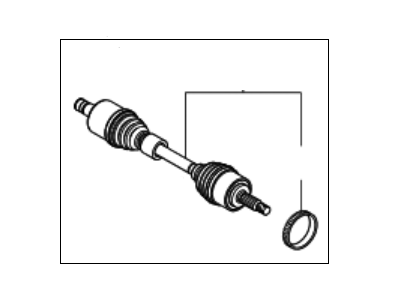

Kia Optima CV Joint Assembly Left Hand
Part Number: 495012G501$603.00 MSRP: $889.38You Save: $286.38 (33%)Ships in 1-3 Business Days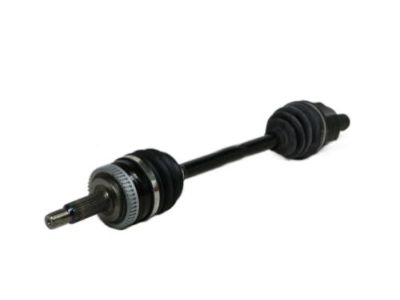
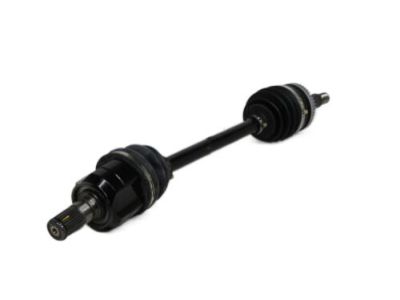

Kia Optima CV Joint Assembly Left Hand
Part Number: 495003S300$485.50 MSRP: $694.57You Save: $209.07 (31%)Ships in 1-3 Business Days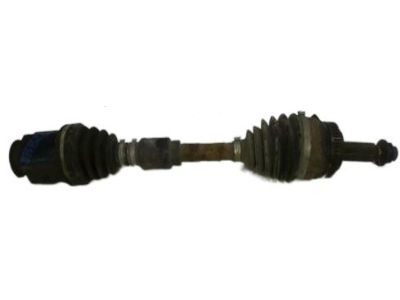
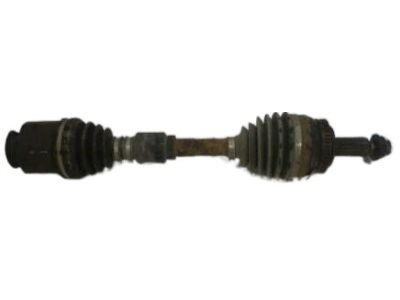
Kia Optima CV Joint Assembly Right Hand
Part Number: 495012T750$527.02 MSRP: $753.97You Save: $226.95 (31%)Ships in 1-3 Business Days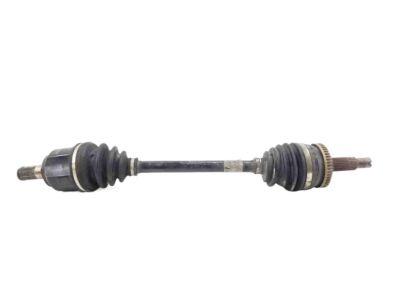
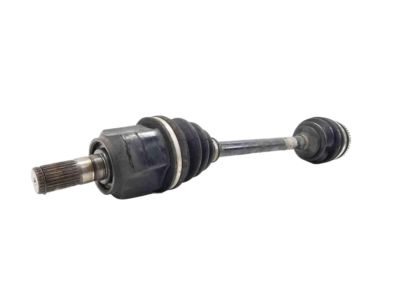
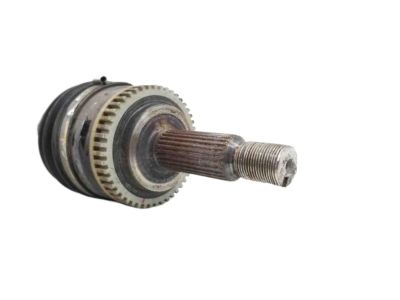
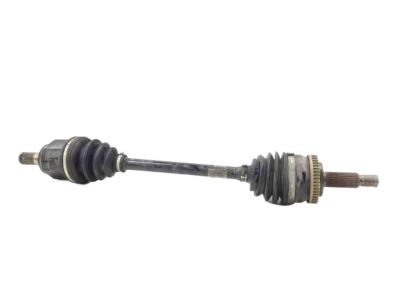
Kia Optima CV Joint Assembly Left Hand
Part Number: 495004C320$554.43 MSRP: $817.75You Save: $263.32 (33%)Ships in 1-3 Business Days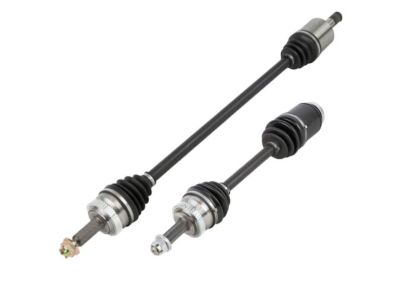
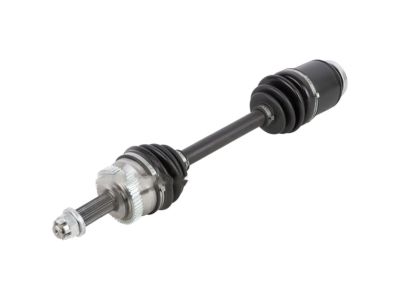
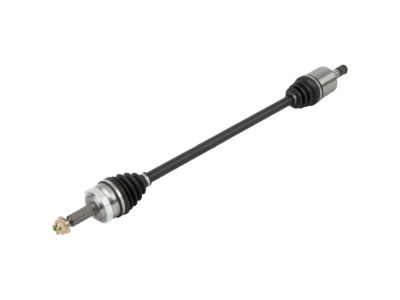
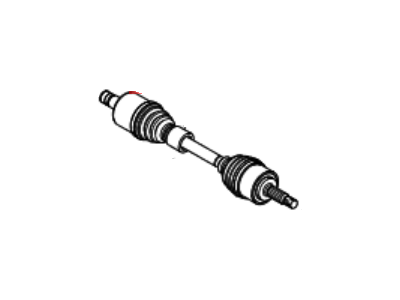

Kia Optima CV Joint Assembly Left Hand
Part Number: 495012G311$604.30 MSRP: $891.30You Save: $287.00 (33%)Ships in 1-3 Business Days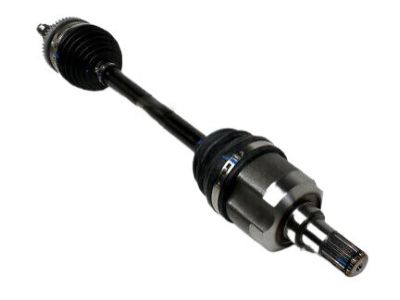
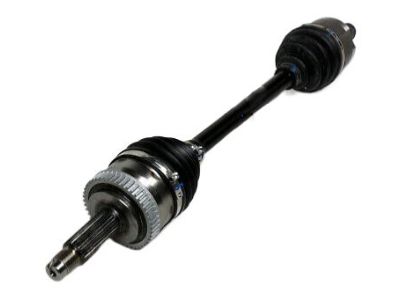
Kia Optima CV Joint Assembly Left Hand
Part Number: 495012G301$612.03 MSRP: $902.70You Save: $290.67 (33%)Ships in 1-3 Business Days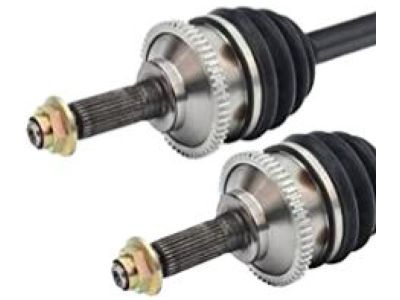
Kia Optima Drive Shaft Assembly Left Hand
Part Number: 49500D4300$585.34 MSRP: $837.40You Save: $252.06 (31%)Ships in 1-3 Business Days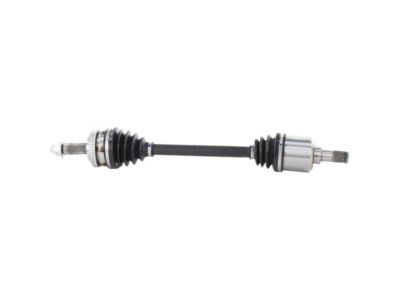
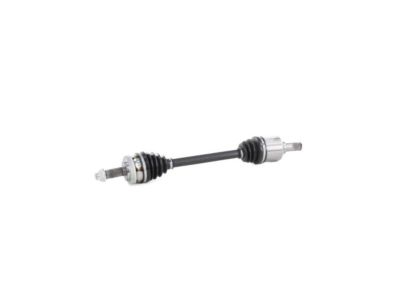
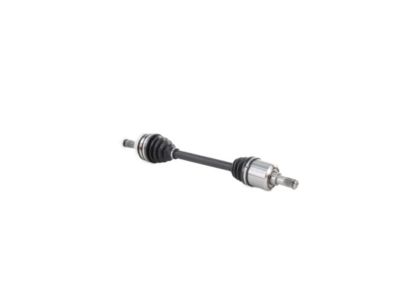
Kia Optima CV Joint Assembly Left Hand
Part Number: 495012G511$621.68 MSRP: $889.38You Save: $267.70 (31%)Ships in 1-3 Business Days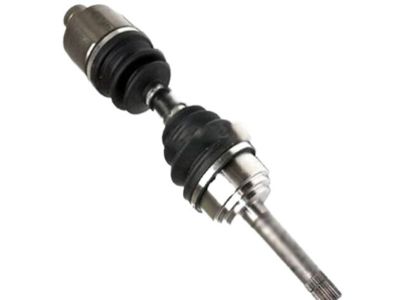
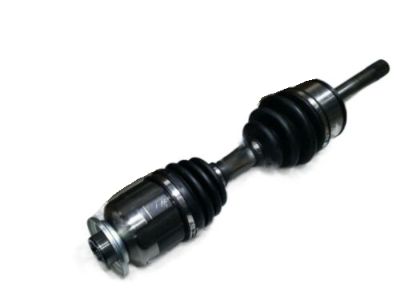
Kia Optima CV Joint Assembly Left Hand
Part Number: 495002T700$465.79 MSRP: $655.12You Save: $189.33 (29%)Ships in 1-3 Business Days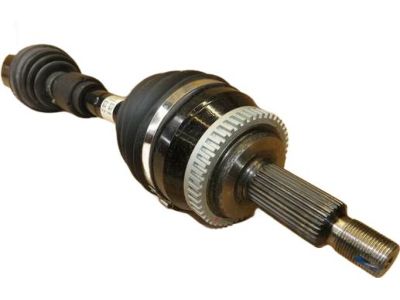
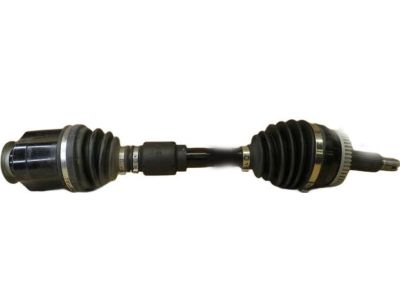
Kia Optima CV Joint Assembly Right Hand
Part Number: 495014C750$560.76 MSRP: $827.08You Save: $266.32 (33%)Ships in 1-2 Business Days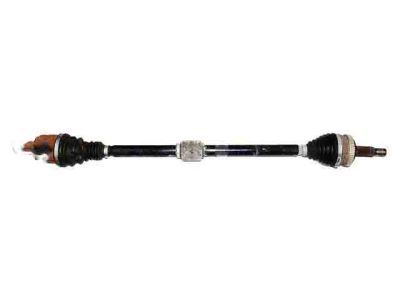
Kia Optima CV Joint Assembly Right Hand
Part Number: 495013S350$505.85 MSRP: $723.68You Save: $217.83 (31%)Ships in 1-3 Business Days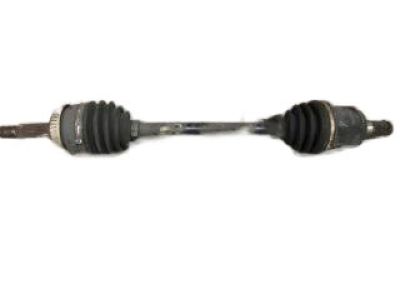
Kia Optima CV Joint Assembly Left Hand
Part Number: 495004C301$567.76 MSRP: $837.40You Save: $269.64 (33%)Ships in 1-3 Business Days
| Page 1 of 4 |Next >
1-20 of 68 Results
Kia Optima Axle Shaft
The Kia Optima Axle Shaft is designed to transmit engine power from the differential directly to each drive wheel, allowing them to rotate at the appropriate speeds for providing solid traction on each wheel with every turn. Across the years, many Kia Optima models rely on a halfshaft style drive axle rather than the solid beam that applied to feature in older rear wheel drive cars, due to the independent suspension providing a smoother ride and better cornering for the sedan. In the Kia Optima line-up, the Axle Shafts all have splines at their inner end that slide into the side gears of the transaxle, and CV joints at both ends allow the Axle Shaft to flex in response to suspension travel but the torque to continue to flow. Some editions place an intermediate shaft between the transaxle and the right side Axle Shaft in order to balance the length and minimize vibration. Wear is typically found in the CV joints or in their boots, with clicks or shakes, while a bent Axle Shaft or twisted splines may occur following curbing or extreme loads. Regular care with seals and lubricant ensures the Kia Axle Shaft remains Optima quiet and dependable.
If you're in search of top-notch, reasonably priced OEM Kia Optima Axle Shaft, then you've found the perfect spot. Our website boasts an extensive inventory of Kia Optima Axle Shaft, all priced at the market's premier price. Rest assured, every genuine part we offer comes with a warranty straight from the manufacturer.
Kia Optima Axle Shaft Parts Questions & Experts Answers
- Q:How to remove and install an Axle Shaft and wheel cover on Kia Optima?Posted by Cory B.A:To take off the wheel cover or hub cap, first, one has to pull the cotter pin and also use a long breaker bar to loosen the axle shaft/hub nut then the wheel lug nuts. Loosen the wheel and then lift the vehicle and place it on stand before moving on to remove the wheel. Jack up both front wheels and set the parking brake on or drain the transaxle lubricant or place rags under the transaxle end of the axle shaft. Remove the electrical connector from the wheel speed sensor as well as the brake hose assembly mounting bolts. Cast off the outer tie-rod end from the steering knuckle; unbolt the two screws, which are on the lower balljoint but do not sever the joint. Pull the knuckle with the hub assembly out until the end of the axle shaft is clear from the hub, when the end of the axle shaft cannot be easily removed you can gently tap it with a plastic hammer, once the axle shaft is free from the hub and the knuckle is swung outwards use some wire to support the outer end so that does not exert pressure on the inner CV joint. To remove the axle shaft gently loosen the inner end of the axle shaft in the transaxle or center bearing support bracket with a large screwdriver prybar to support the CV joint. For intermediate shaft removal, replace the right axle shaft assembly, then undo the center bearing support bracket bolts and finally, the intermediate shaft can be pulled out from the transaxle. Check for any visible damages on the center bearing and if there is, then replace it. For installation, if it was removed reinstall the intermediate shaft; the old spring clip on the inner end of the axle shafts need to be replaced or renewed; apply lubrication for the differential or intermediate shaft seal and then lift the axle shafts into position while supporting the CV joints. Slide the splined end of the inner CV joint over the hollow shaft of the differential side gear with the spring clip snapping into place as the gap is down. Afterwards, use grease to apply it on the outer CV joint splines, pull out on the strut/steering knuckle assembly and then fit the stub axle into the hub. Engage the balljoint back to its position on the lower control arm and fasten the nuts to the required liveliness standard. Screw the axle shaft/hub nut with the convex surface of the washer laminated over the exposed threads of the nut ensuring that it is well seated, though without applying the actual torque until the car is raised. Check that the axle shaft is properly located in the transaxle by getting hold of the inner CV joint housing and applying a backward force. Lastly, there is the fitting of the wheel and the lug nuts followed by the lowering of the vehicle and then tightening of the lug nuts and axle shaft/hub nut to the recommended torque limit and a new cotter pin is put in and the transaxle then refilled using the approved lubricant.Answered by Kia Parts Specialist Pablo / Jan 06, 2024
Related Kia Optima Parts
 Kia Optima Wheel Bearing
 Kia Optima Transmission Assembly
 Kia Optima Torque Converter
 Kia Optima Input Shaft Bearing
 Kia Optima Needle Bearing
 Kia Optima Output Shaft Bearing
Browse by Year
2020 Axle Shaft 2019 Axle Shaft 2018 Axle Shaft 2017 Axle Shaft 2016 Axle Shaft 2015 Axle Shaft 2014 Axle Shaft 2013 Axle Shaft 2012 Axle Shaft 2011 Axle Shaft 2010 Axle Shaft 2009 Axle Shaft 2008 Axle Shaft 2007 Axle Shaft 2006 Axle Shaft 2005 Axle Shaft 2004 Axle Shaft 2003 Axle Shaft 2002 Axle Shaft 2001 Axle Shaft 2000 Axle Shaft