×
- Hello
- Login or Register
- Quick Links
- Live Chat
- Track Order
- Parts Availability
- RMA
- Help Center
- Contact Us
- Shop for
- Kia Parts
- Kia Accessories

My Garage
My Account
Cart
Genuine Kia Optima Brake Booster
Brake Power Booster- Select Vehicle by Model
- Select Vehicle by VIN
Select Vehicle by Model
orMake
Model
Year
Select Vehicle by VIN
For the most accurate results, select vehicle by your VIN (Vehicle Identification Number).
20 Brake Boosters found
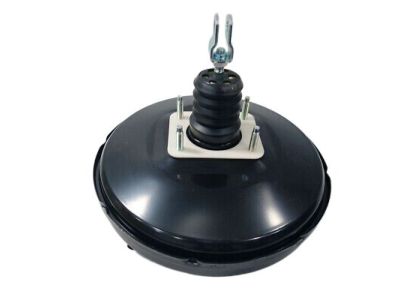
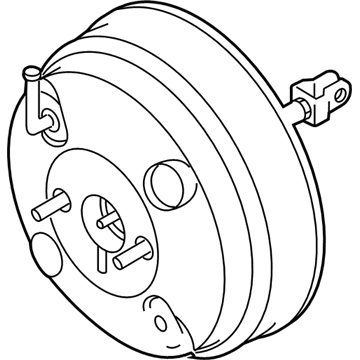

Kia Optima Booster Assembly-Vacuum
Part Number: 591103Q500$505.57 MSRP: $745.68You Save: $240.11 (33%)Ships in 1-3 Business Days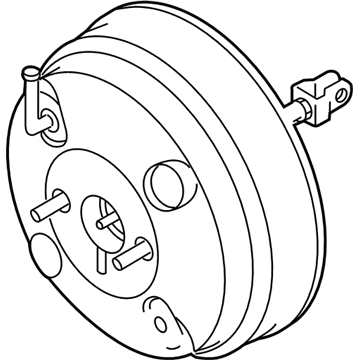
Kia Optima Booster Assembly-Vacuum
Part Number: 591102T200$348.06 MSRP: $509.75You Save: $161.69 (32%)Ships in 1-3 Business Days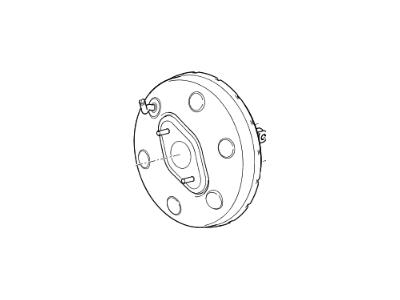

Kia Optima Brake Booster Assembly
Part Number: 59110C1050$477.50 MSRP: $704.28You Save: $226.78 (33%)Ships in 1-3 Business DaysKia Optima Brake Booster Assembly
Part Number: 59110C1450$487.48 MSRP: $719.00You Save: $231.52 (33%)Ships in 1-3 Business DaysKia Optima Brake Booster Assembly
Part Number: 59110C1400$487.48 MSRP: $719.00You Save: $231.52 (33%)Ships in 1-3 Business DaysKia Optima Brake Booster Assembly
Part Number: 59110C1300$527.11 MSRP: $777.45You Save: $250.34 (33%)Ships in 1-3 Business Days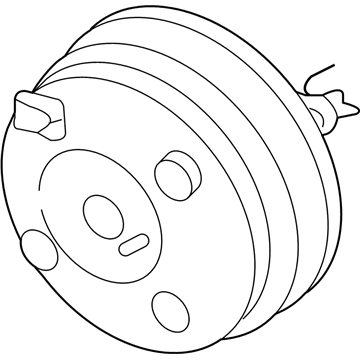

Kia Optima Brake Booster Assembly
Part Number: 591102G100$307.33 MSRP: $450.10You Save: $142.77 (32%)Ships in 1-3 Business Days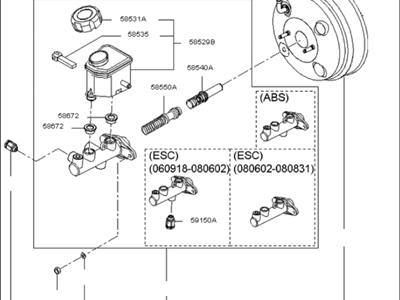
Kia Optima Booster & Master Cylinder
Part Number: 585002G110$398.88 MSRP: $584.18You Save: $185.30 (32%)Ships in 1-3 Business Days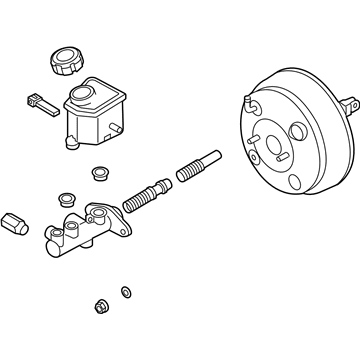

Kia Optima Booster & Master Cylinder
Part Number: 585002G100$398.88 MSRP: $584.18You Save: $185.30 (32%)Ships in 1-3 Business DaysKia Optima Booster & Master Cylinder
Part Number: 585002G310$444.92 MSRP: $651.62You Save: $206.70 (32%)Ships in 1-3 Business Days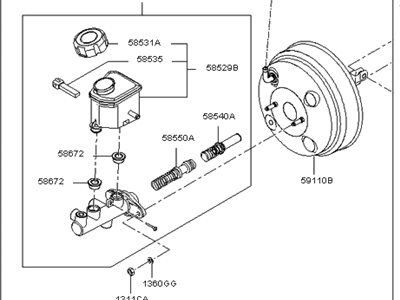

Kia Optima Booster & Master Cylinder
Part Number: 585002G400$446.15 MSRP: $627.50You Save: $181.35 (29%)Ships in 1-3 Business DaysKia Optima Booster & Master
Part Number: 585002G410$450.56 MSRP: $633.70You Save: $183.14 (29%)Ships in 1-3 Business Days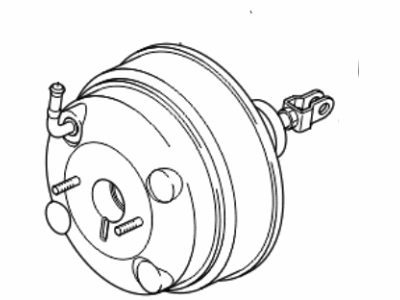

Kia Optima Brake Booster Assembly
Part Number: 591103C100$464.80 MSRP: $685.55You Save: $220.75 (33%)Ships in 1-3 Business Days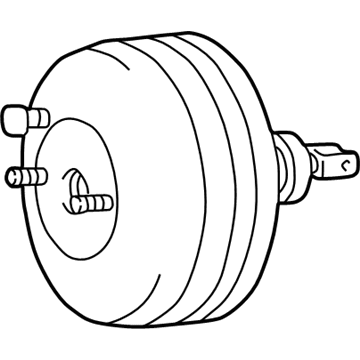
Kia Optima Brake Booster Assembly
Part Number: 5911038007$538.70 MSRP: $794.55You Save: $255.85 (33%)Ships in 1-3 Business DaysKia Optima Brake Booster Assembly
Part Number: 5911038006$540.24 MSRP: $796.82You Save: $256.58 (33%)Ships in 1-3 Business Days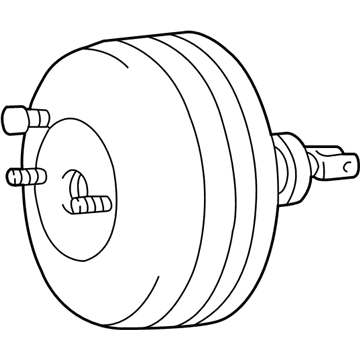
Kia Optima Brake Booster Assembly
Part Number: 5911038306$574.74 MSRP: $847.70You Save: $272.96 (33%)Ships in 1-3 Business DaysKia Optima Booster & Master Cylinder
Part Number: 585002G300$444.92 MSRP: $651.62You Save: $206.70 (32%)Ships in 1-3 Business DaysKia Optima Booster & Master Cylinder
Part Number: 585002G210$397.46 MSRP: $559.02You Save: $161.56 (29%)Ships in 1-3 Business Days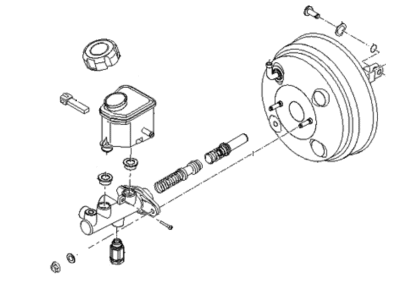

Kia Optima Booster & Master Cylinder
Part Number: 585002G200$415.35 MSRP: $584.18You Save: $168.83 (29%)Ships in 1-3 Business Days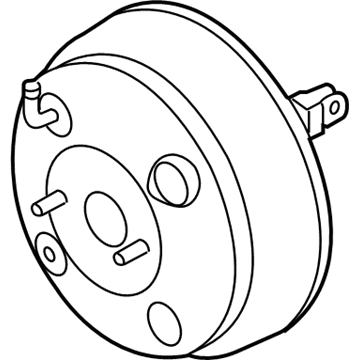
Kia Optima Brake Booster
Kia Optima Brake Booster allows a driver to brake with much less force on the foot by increasing the force of the pedal before it goes to the master cylinder. The majority of the Optima models utilize a vacuum type Brake Booster, which places a sealed diaphragm and power piston between the master cylinder and the pedal rod and pulls a constant vacuum either through the engine or by a special pump. Once the driver presses the Brake Booster, an internal valve forces outside air into the rear chamber, and the pressure difference pushes the piston forward, causing the car to decelerate with high confidence. Other Kia Optima trims that cannot ensure a steady engine vacuum can use either a hydraulic Brake Booster that is fed by the power steering pump or an electric motor, but its purpose remains the same, to provide good braking with less force on the pedal. The Brake Booster is a safety mainstay in all Kia sedans since the hydraulic version has fluid pressure instead of air pressure, but both designs found in Kia Optima family vehicles are reliable and require little maintenance, and all Brake Boosters are usually long-lasting.
If you're in search of top-notch, reasonably priced OEM Kia Optima Brake Booster, then you've found the perfect spot. Our website boasts an extensive inventory of Kia Optima Brake Booster, all priced at the market's premier price. Rest assured, every genuine part we offer comes with a warranty straight from the manufacturer.
Kia Optima Brake Booster Parts Questions & Experts Answers
- Q:How to perform an operating check and remove the power brake booster units on Kia Optima?Posted by Sommers A.A:In order to do an operating check, engage the service brake apply the brake pedal a few times with the engine switch off but the gap between the brake pedal pressure should remain the same. Next, manipulate the pedal and start the engine; if the pedal slightly descends, operation is typical. Required for an air-tightness check, start the engine and run it for a minute or two before shutting it off, following with application of the brake pedal several times; if the application pressure decreases each time and the brake pedal depresses less, the booster is airtight. Subsequently, with the engine on, engage the brake pedal and shut off the engine with the brake pedal pressed; when this is done, check that the needle on the pedal reserve travel does not move after 30 seconds, then this will be an indication that the booster is airtight. When disconnecting power brake booster units it is important not to dismantle since the units are positively complicated and require intricate tools. First of all, start with the dismantle of the Brake Master Cylinder and, depending on the specific car model, it may be easy to completely discard the crossover Brake Lines that intersect in front of the master cylinder. Caution and detaching the vacuum hose from brake booster, then pardon the brake pedal return spring at the top of brake pedal and removing the brake booster clevis pin retaining clip and the pin. You then undo the four nuts and bolts that are securing the brake booster on the firewall, and pull the booster straight backward till the studs are out of holes. For installation reverse the following removal procedures, and then tighten the booster mounting nuts to the prescribed torque. The next components to fit are the master cylinder and the brake hoses; when fitting the master cylinder, set the brake pedal height and freeplay and bleed the brake system.Answered by Kia Parts Specialist Christopher / Jul 20, 2022
Related Kia Optima Parts
 Kia Optima Brake Master Cylinder
 Kia Optima Brake Fluid Level Sensor
 Kia Optima Master Cylinder Repair Kit
Browse by Year
2020 Brake Booster 2019 Brake Booster 2018 Brake Booster 2017 Brake Booster 2016 Brake Booster 2015 Brake Booster 2014 Brake Booster 2013 Brake Booster 2012 Brake Booster 2011 Brake Booster 2010 Brake Booster 2009 Brake Booster 2008 Brake Booster 2007 Brake Booster 2006 Brake Booster 2005 Brake Booster 2004 Brake Booster 2003 Brake Booster 2002 Brake Booster 2001 Brake Booster 2000 Brake Booster