×
- Hello
- Login or Register
- Quick Links
- Live Chat
- Track Order
- Parts Availability
- RMA
- Help Center
- Contact Us
- Shop for
- Kia Parts
- Kia Accessories

My Garage
My Account
Cart
Genuine Kia Optima Coil Springs
Strut Spring- Select Vehicle by Model
- Select Vehicle by VIN
Select Vehicle by Model
orMake
Model
Year
Select Vehicle by VIN
For the most accurate results, select vehicle by your VIN (Vehicle Identification Number).
48 Coil Springs found
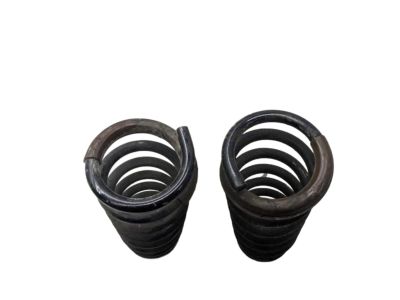

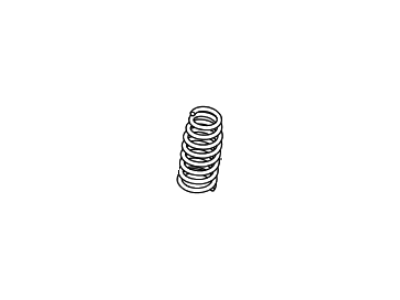
Kia Optima Rear Springs
Part Number: 553502T030$118.30 MSRP: $161.62You Save: $43.32 (27%)Ships in 1-3 Business Days
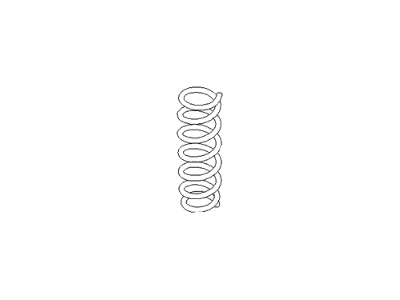

Kia Optima Rear Springs
Part Number: 553504C014$85.98 MSRP: $124.07You Save: $38.09 (31%)Ships in 1-3 Business Days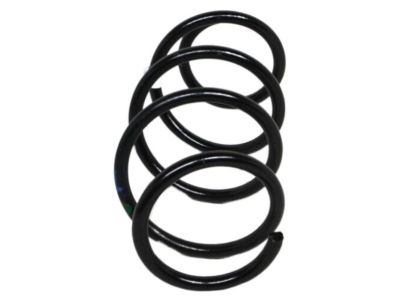
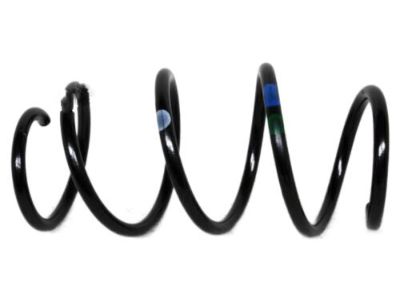
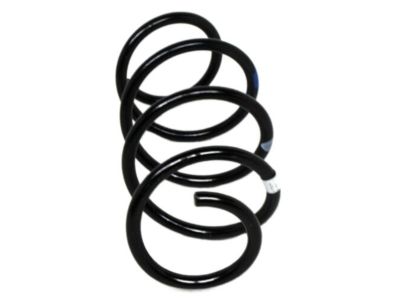
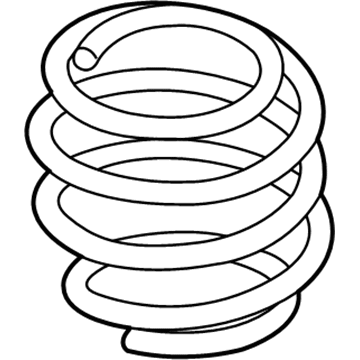

Kia Optima Front Spring
Part Number: 54630C2150$94.48 MSRP: $136.33You Save: $41.85 (31%)Ships in 1-3 Business Days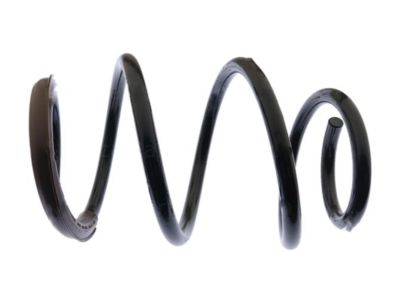
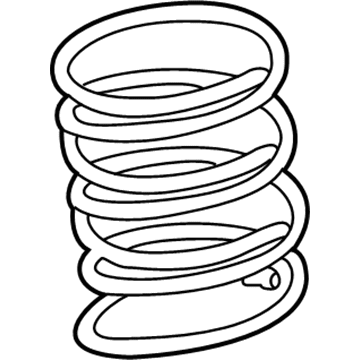

Kia Optima Front Spring
Part Number: 546304C154$96.87 MSRP: $139.78You Save: $42.91 (31%)Ships in 1-3 Business Days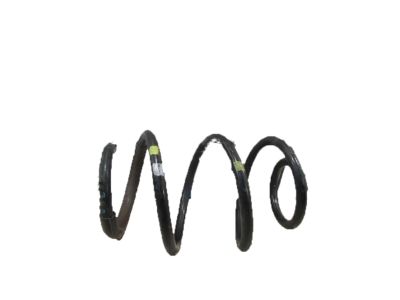
Kia Optima Front Spring
Part Number: 546304C134$97.84 MSRP: $141.18You Save: $43.34 (31%)Ships in 1-3 Business Days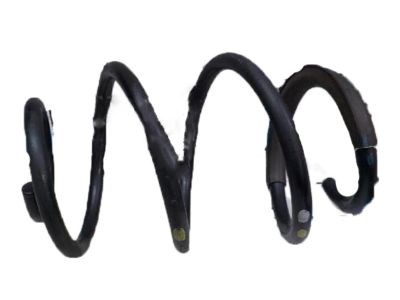

Kia Optima Front Spring
Part Number: 546304C034$97.84 MSRP: $141.18You Save: $43.34 (31%)Ships in 1-3 Business Days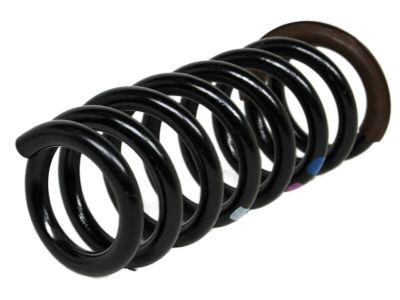
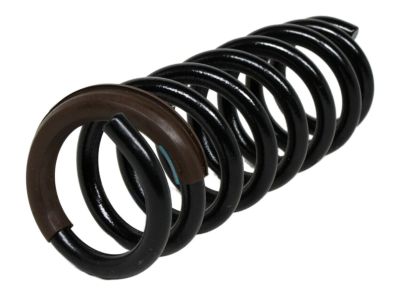
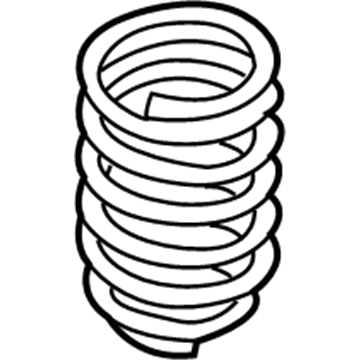

Kia Optima Rear Springs
Part Number: 553504C134$99.01 MSRP: $142.87You Save: $43.86 (31%)Ships in 1-3 Business Days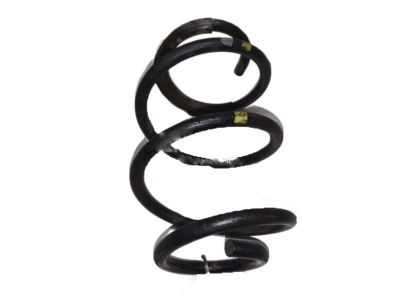
Kia Optima Front Spring
Part Number: 546304C164$99.13 MSRP: $143.05You Save: $43.92 (31%)Ships in 1-3 Business Days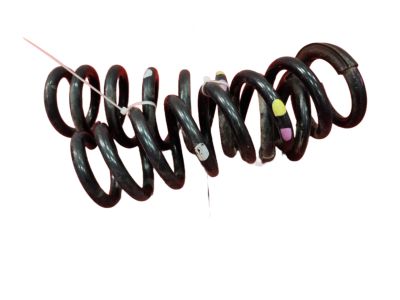
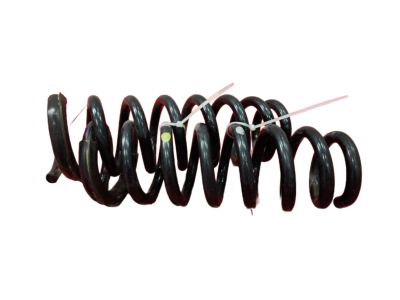
Kia Optima Rear Springs
Part Number: 553504C010$90.82 MSRP: $124.07You Save: $33.25 (27%)Ships in 1-3 Business Days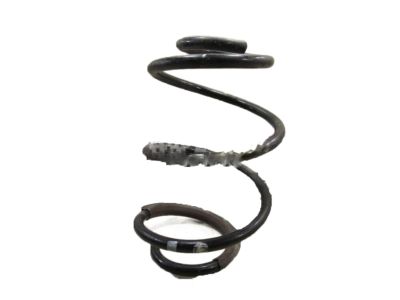
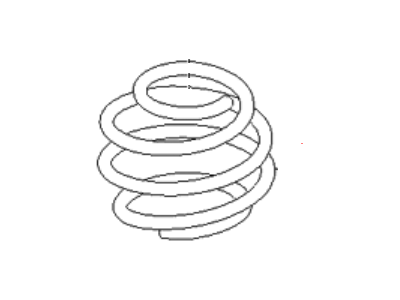

Kia Optima Front Spring
Part Number: 546302T031$113.70 MSRP: $155.33You Save: $41.63 (27%)Ships in 1-3 Business Days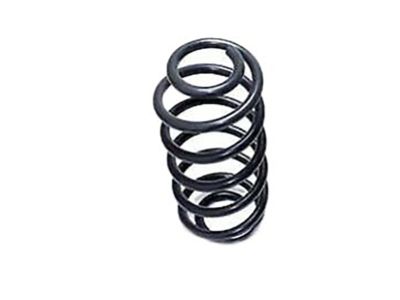
Kia Optima Front Spring
Part Number: 546302T030$113.70 MSRP: $155.33You Save: $41.63 (27%)Ships in 1-3 Business Days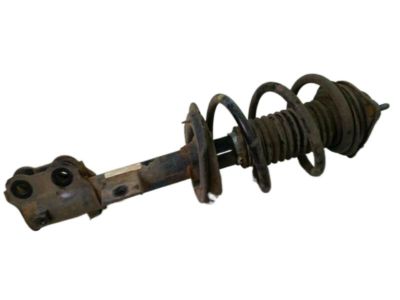
Kia Optima Front Spring
Part Number: 546302T050$114.75 MSRP: $156.77You Save: $42.02 (27%)Ships in 1-3 Business Days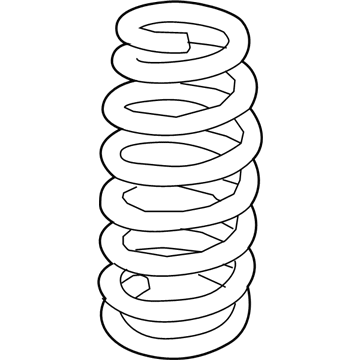

Kia Optima Rear Springs
Part Number: 55350D5550$91.22 MSRP: $131.63You Save: $40.41 (31%)Ships in 1-3 Business Days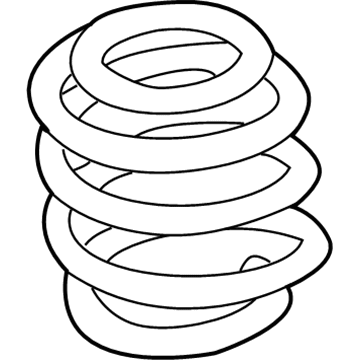
Kia Optima Front Spring
Part Number: 54630D5200$96.87 MSRP: $139.78You Save: $42.91 (31%)Ships in 1-3 Business Days

Kia Optima Front Spring
Part Number: 546302G200$110.54 MSRP: $151.02You Save: $40.48 (27%)Ships in 1-3 Business DaysKia Optima Rear Springs
Part Number: 553504C030$85.98 MSRP: $124.07You Save: $38.09 (31%)Ships in 1-3 Business DaysKia Optima Rear Springs
Part Number: 55350D5210$93.66 MSRP: $135.15You Save: $41.49 (31%)Ships in 1-3 Business DaysKia Optima Rear Springs
Part Number: 553502T080$88.29 MSRP: $120.62You Save: $32.33 (27%)Ships in 1-3 Business DaysKia Optima Rear Springs
Part Number: 553502T180$100.22 MSRP: $136.92You Save: $36.70 (27%)Ships in 1-3 Business Days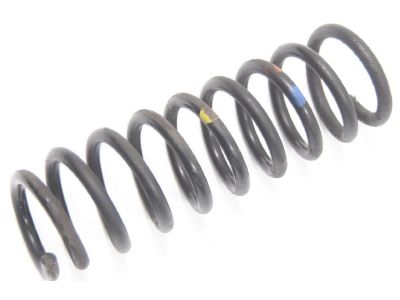

| Page 1 of 3 |Next >
1-20 of 48 Results
Kia Optima Coil Springs
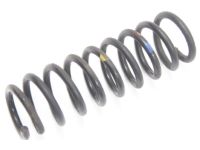
Kia Optima Coil Springs provide the important lift and cushioning that keep the sedan level and comfortable over potholes and speed bumps. By being compressed and expanded according to changes in the road, these Coil Springs support the weight of the vehicle, keep the car at the right ride height, and prevent the tires from wearing unevenly. Across different generations of Optima, there are two primary specifications that define all Coil Springs units: free length, which is the unloaded height, and spring rate, which is how many pounds it takes to compress each inch, and both directly influence the feel of the handling. Across years, the Kia suspension has utilized three styles: linear rate, progressive, and dual rate Coil Springs. Linear versions maintain evenly spaced coils for predictable softness and consistent cornering, while progressive versions have tightly wound sections up front to soak up the little jolts and then tighten up to combat body roll and bottoming, and dual rate parts abruptly switch between a comfort zone and a firmer zone for spirited driving. Drivers of Kia Optima editions that sag on one side can usually trace the blame to worn Coil Springs, so intact springs are essential to balanced braking, steady acceleration, and confident steering on any Kia Optima journey.
If you're in search of top-notch, reasonably priced OEM Kia Optima Coil Springs, then you've found the perfect spot. Our website boasts an extensive inventory of Kia Optima Coil Springs, all priced at the market's premier price. Rest assured, every genuine part we offer comes with a warranty straight from the manufacturer.
Kia Optima Coil Springs Parts Questions & Experts Answers
- Q:How to remove and install the rear shock absorber with Coil Springs on a Kia Optima?Posted by Tiffany S.A:For models from 2001 through 2006, begin by removing the Shock Absorber/coil spring assembly from the vehicle and mount it in a vise, ensuring the jaws are lined with wood or rags to prevent damage. Install a spring compressor on the spring according to the manufacturer's instructions and compress it enough to relieve all force from the upper spring seat, which can be verified by wiggling the spring. Unscrew the damper shaft nut while holding the end of the shaft with locking pliers, then remove the nut, mounting bracket, dust cover, and spring seat, keeping all parts organized. Carefully lift the compressed spring from the assembly and set it aside, then slide off the rubber bumper from the damper shaft if equipped. Check the lower insulator for wear, cracking, and hardness, replacing it if necessary. For installation, place the coil spring onto the lower insulator with the end resting in the lowest part, install the upper insulator and spring seat ensuring correct orientation, then install and tighten the damper nut to the specified torque, making sure the holes in the spring seats remain aligned before removing the spring compressor tool and reinstalling the shock absorber/spring assembly. For models from 2006.5 and later, loosen the rear wheel nuts, raise the vehicle securely on jackstands, and remove the wheel. Place a floor jack under the outer part of the lower Control Arm to prevent movement when disconnecting the shock absorber, then disconnect the lower end of the shock absorber from the hub carrier and the outer end of the lower control arm from the hub carrier. Carefully lower the jack until the spring can be removed from its seats, then pull the spring free. Installation follows the reverse order of removal, ensuring to raise the outer end of the lower control arm with a floor jack to simulate normal ride height before tightening the lower control arm-to-hub carrier bolt/nut.Answered by Kia Parts Specialist Pablo / Apr 15, 2022
Related Kia Optima Parts
 Kia Optima Shock Absorber
 Kia Optima Coil Spring Insulator
 Kia Optima Shock And Strut Mount
 Kia Optima Rear Crossmember
 Kia Optima Strut Bearing
 Kia Optima Front Cross-Member
 Kia Optima Bump Stop
Browse by Year
2020 Coil Springs 2019 Coil Springs 2018 Coil Springs 2017 Coil Springs 2016 Coil Springs 2015 Coil Springs 2014 Coil Springs 2013 Coil Springs 2012 Coil Springs 2011 Coil Springs 2010 Coil Springs 2009 Coil Springs 2008 Coil Springs 2007 Coil Springs 2006 Coil Springs 2005 Coil Springs 2004 Coil Springs 2003 Coil Springs 2002 Coil Springs 2001 Coil Springs 2000 Coil Springs