×
- Hello
- Login or Register
- Quick Links
- Live Chat
- Track Order
- Parts Availability
- RMA
- Help Center
- Contact Us
- Shop for
- Kia Parts
- Kia Accessories

My Garage
My Account
Cart
Genuine Kia Sedona Relay
Wire Relay- Select Vehicle by Model
- Select Vehicle by VIN
Select Vehicle by Model
orMake
Model
Year
Select Vehicle by VIN
For the most accurate results, select vehicle by your VIN (Vehicle Identification Number).
24 Relays found
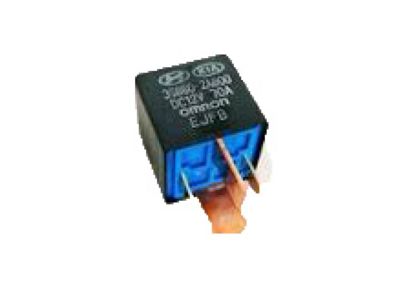

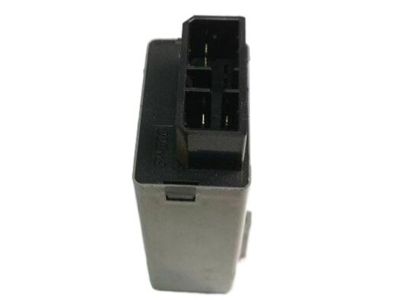
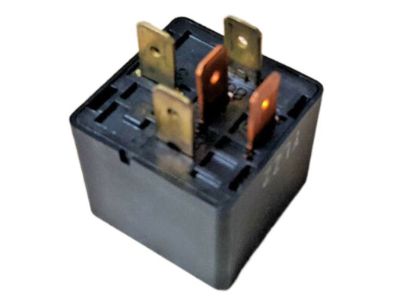
Kia Sedona Relay Assembly-Glow Plug
Part Number: 368602A800$21.87 MSRP: $29.63You Save: $7.76 (27%)Ships in 1-3 Business Days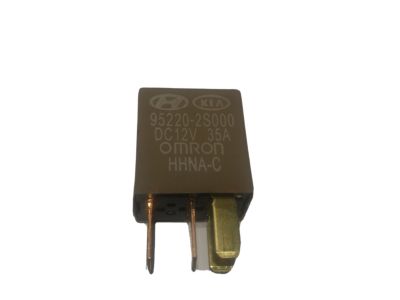
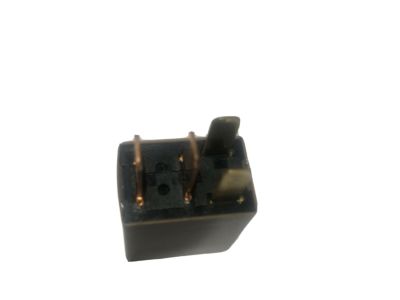
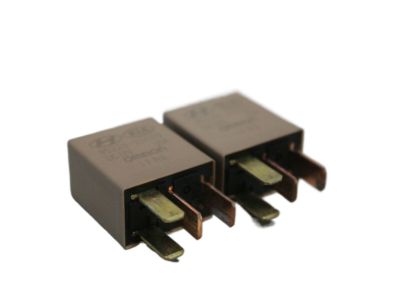

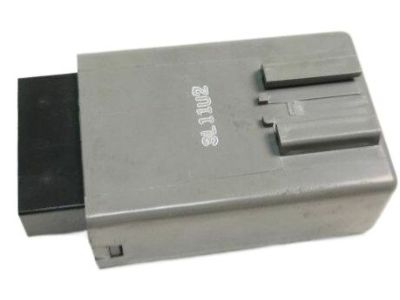
Kia Sedona Power Relay Assembly
Part Number: 952202S000$14.88 MSRP: $21.28You Save: $6.40 (31%)Ships in 1-3 Business Days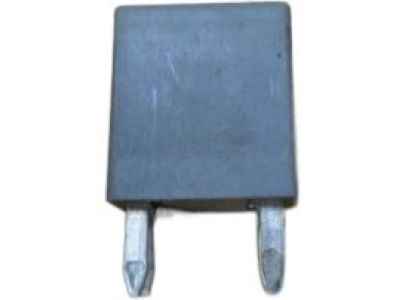
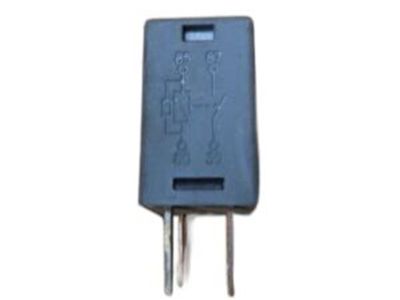
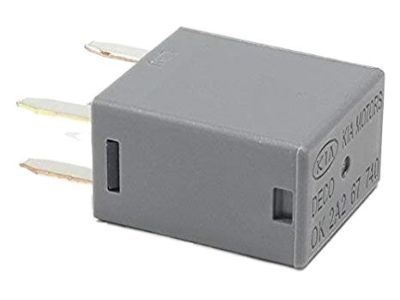
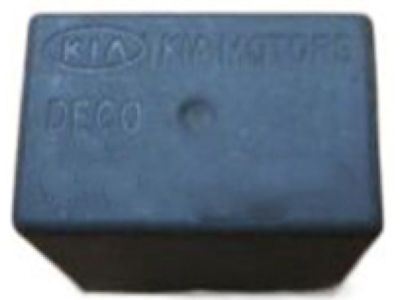


Kia Sedona Relay
Part Number: 0K2A267740$18.70 MSRP: $26.75You Save: $8.05 (31%)Ships in 1-3 Business Days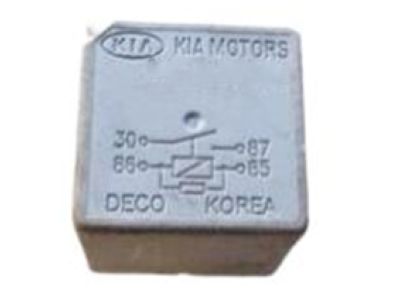
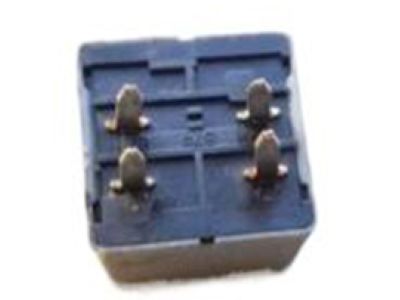
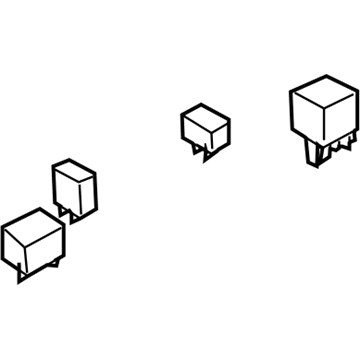
Kia Sedona Relay
Part Number: 0K2A167740$20.19 MSRP: $28.88You Save: $8.69 (31%)Ships in 1-3 Business Days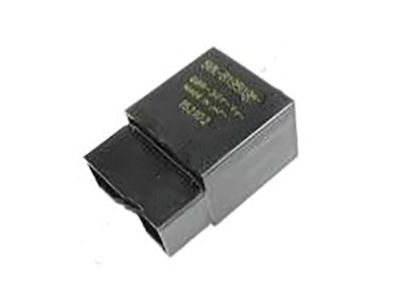

Kia Sedona Power Relay Assembly
Part Number: 952104D000$25.37 MSRP: $34.38You Save: $9.01 (27%)Ships in 1-3 Business Days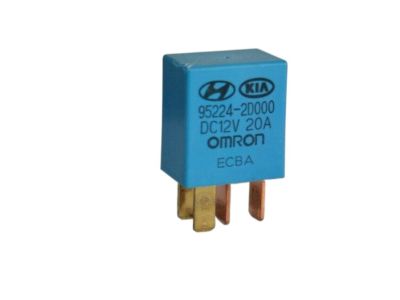
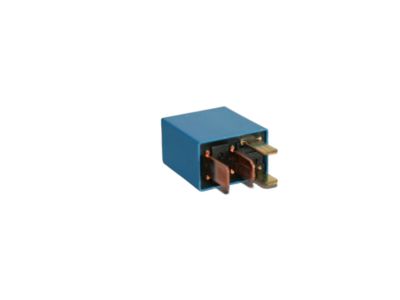

Kia Sedona Power Relay Assembly
Part Number: 952242D000$15.16 MSRP: $21.68You Save: $6.52 (31%)Ships in 1-3 Business Days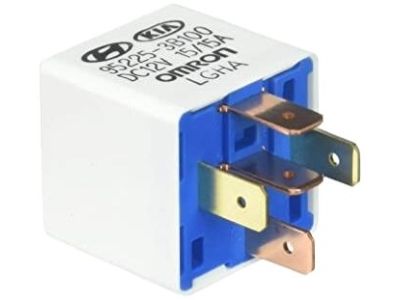
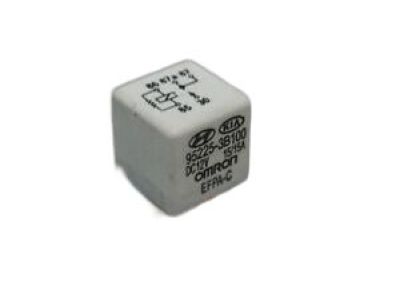
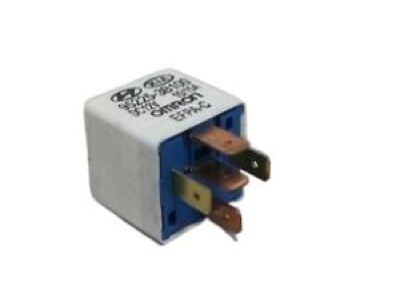
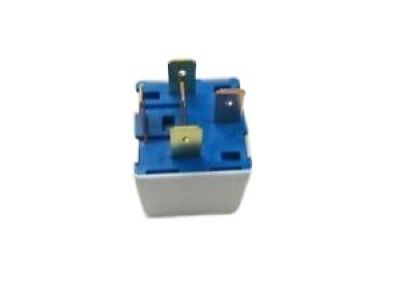

Kia Sedona Power Relay Assembly
Part Number: 952253B100$21.97 MSRP: $29.77You Save: $7.80 (27%)Ships in 1-3 Business Days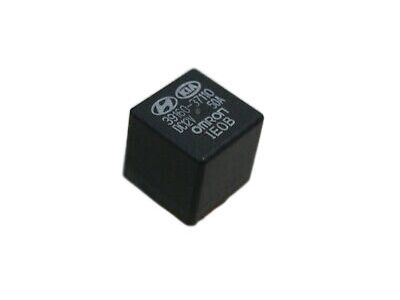
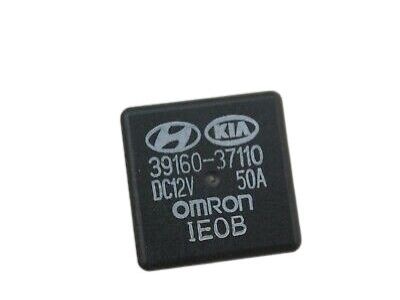
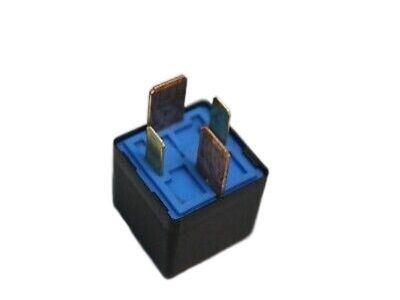


Kia Sedona Power Relay Assembly
Part Number: 3916037110$32.92 MSRP: $47.50You Save: $14.58 (31%)Ships in 1-3 Business Days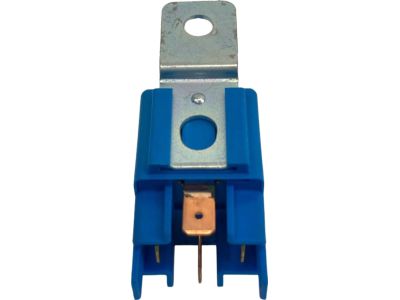
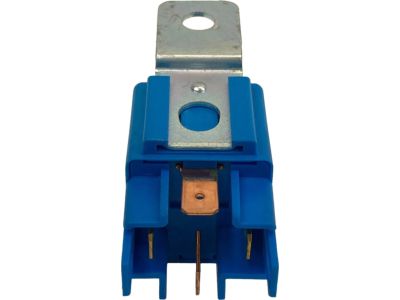
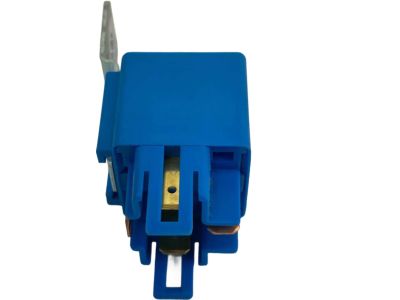
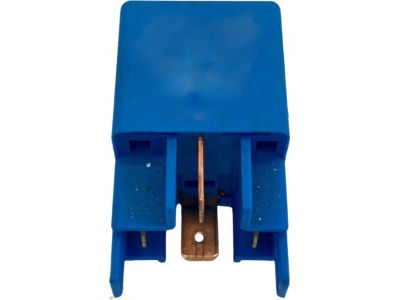
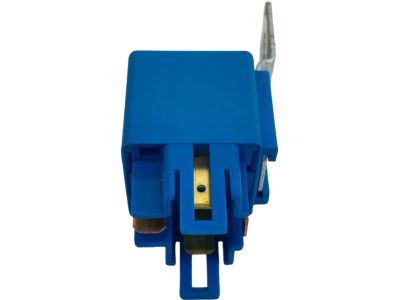
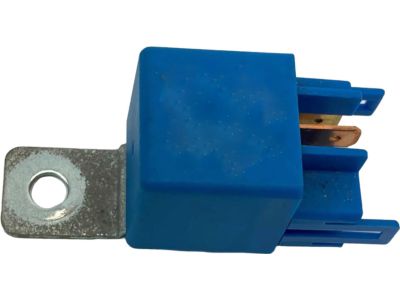

Kia Sedona Power Relay Assembly
Part Number: 9522422100$17.43 MSRP: $23.62You Save: $6.19 (27%)Ships in 1-3 Business Days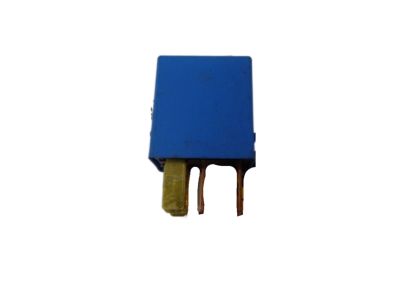
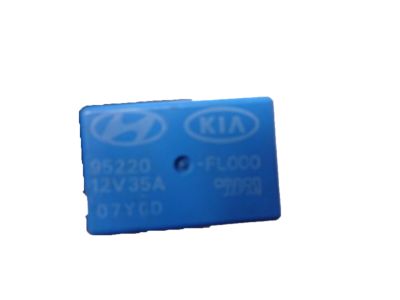

Kia Sedona Relay
Part Number: 95220FL000$15.71 MSRP: $21.28You Save: $5.57 (27%)Ships in 1-3 Business Days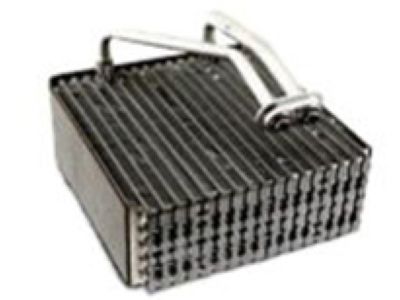


Kia Sedona Relay
Part Number: 1K55261R06$22.37 MSRP: $30.32You Save: $7.95 (27%)Ships in 1-3 Business Days
Kia Sedona Power Relay Assembly
Part Number: 952242D700$21.40 MSRP: $29.00You Save: $7.60 (27%)Ships in 1-3 Business Days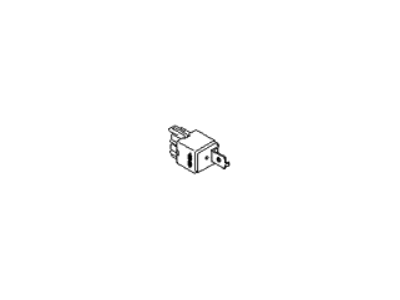

Kia Sedona Relay Assembly-Stop Sign
Part Number: 952404D100$77.46 MSRP: $105.82You Save: $28.36 (27%)Ships in 1-3 Business Days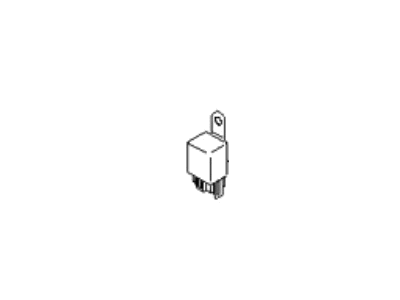

Kia Sedona Relay
Part Number: 0K56P18286$20.66 MSRP: $28.00You Save: $7.34 (27%)Ships in 1-3 Business Days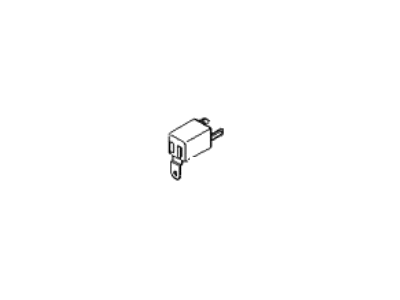

Kia Sedona Relay
Part Number: 0K75767740$20.36 MSRP: $27.58You Save: $7.22 (27%)Ships in 1-3 Business Days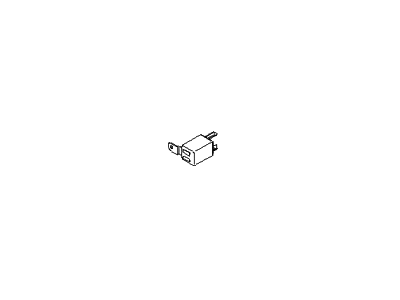
Kia Sedona Power Relay Assembly
Part Number: 9522529300$20.52 MSRP: $27.80You Save: $7.28 (27%)Ships in 1-3 Business Days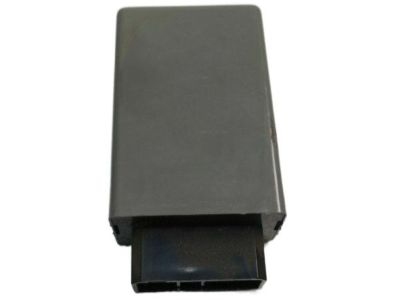
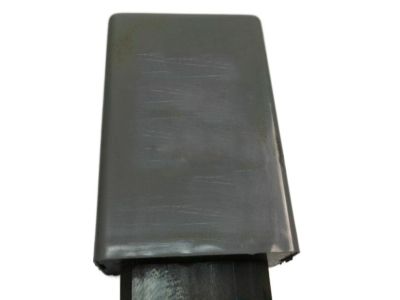

| Page 1 of 2 |Next >
1-20 of 24 Results
Kia Sedona Relay
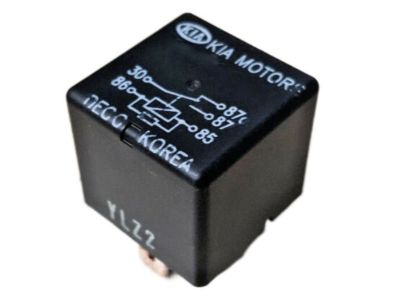
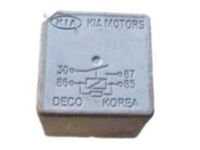
The Kia Sedona Relay protects the climate and electrical equipment of the minivan by functioning as a quick power directed switch that allows the control of heavier loads via a low current signal. Inside the each Relay, there's an electromagnet draws that contacts together to form circuits for fans, blower motors, and other A/C components to keep the cabin temperature in a Kia model steady. In earlier years, the Relay usually sat inside the under hood fuse box. The common style found in a Sedona is the traditional electromechanical unit, though newer editions may have solid state versions that accomplish the same job without moving parts, reducing wear. Some trims have magnetic latching Relay designs which hold their position after a single pulse, conserving energy if a Kia loses momentary power. Regardless of type, timely Relay replacement prevents unnecessary part swaps and keeps every Kia Sedona comfortable and trouble code free.
If you're in search of top-notch, reasonably priced OEM Kia Sedona Relay, then you've found the perfect spot. Our website boasts an extensive inventory of Kia Sedona Relay, all priced at the market's premier price. Rest assured, every genuine part we offer comes with a warranty straight from the manufacturer.
Kia Sedona Relay Parts Questions & Experts Answers
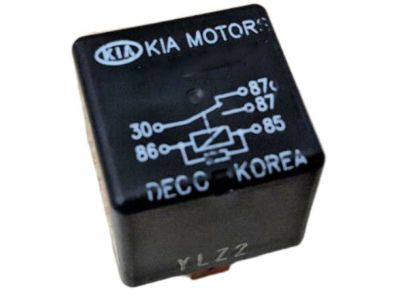
- Q: What role do relays play in Kia Sedona electrical systems, and how can a faulty relay be tested and identified?A:Some of the electrical accessories in the vehicle include the fuel injection system; Horns; starter; and fog lamps Relays are used to transfer electrical signals to the parts by using a low current control circuit to handle a high current power circuit. A bad relay will cause a related component not to work correctly and a majority of them are placed in the engine compartment and interior fuse or relay boxes. If there is an indication of a faulty relay, it may be pulled and checked possibly from a certain procedure or from a specialist. Power circuits of most relays in these kinds of vehicles are ISO relays that can be easily distinguished by the presence of numbers on the terminals showing their Ci/Co/ai positions and roles, optimizing the layouts of which come in two main types of terminal planning. The control circuit is used to connect to the relay coil as the other terminals are in the power circuit where the power is energized by creating the magnetic field as made by the coil. Usually terminals 85 and 86 are for the control circuit and provided thereof since the configurations for the diode or resistor may require additional connection. Terminal 30 is the connection point to the battery positive terminal and terminal of 87 connects to the ground end of the circuit. For checking relay, ohmmeter can be used to measure the continuity through the control coil and should show proper resistance values and characteristics with respect to the presence of resistor or diode. Furthermore, continuity should be examined concerning the power circuit terminals when the relay is at a standby state, and with the energizing of the relay, continuity should be determined as to pin number 30 and 87. If any tests reveal a failure, the relay should be replaced.
Related Kia Sedona Parts
 Kia Sedona Power Window Switch
 Kia Sedona Mirror Switch
 Kia Sedona Headlight Switch
 Kia Sedona Wiper Switch
 Kia Sedona Oil Pressure Switch
 Kia Sedona Neutral Safety Switch
 Kia Sedona Turn Signal Switch
 Kia Sedona Seat Switch
 Kia Sedona Brake Light Switch
 Kia Sedona Seat Heater Switch
 Kia Sedona Door Jamb Switch
 Kia Sedona Dimmer Switch