×
- Hello
- Login or Register
- Quick Links
- Live Chat
- Track Order
- Parts Availability
- RMA
- Help Center
- Contact Us
- Shop for
- Kia Parts
- Kia Accessories

My Garage
My Account
Cart
Genuine Kia Sedona Sway Bar Bushing
Stabilizer Sway Bar Bushing- Select Vehicle by Model
- Select Vehicle by VIN
Select Vehicle by Model
orMake
Model
Year
Select Vehicle by VIN
For the most accurate results, select vehicle by your VIN (Vehicle Identification Number).
9 Sway Bar Bushings found
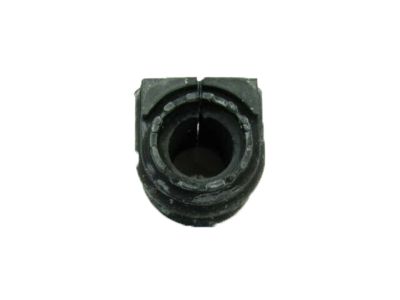
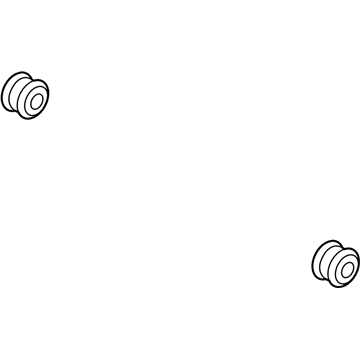

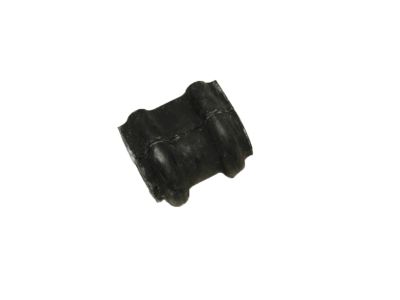
Kia Sedona Stabilizer Bar Bush
Part Number: 548132W100$21.91 MSRP: $31.35You Save: $9.44 (31%)Ships in 1-3 Business Days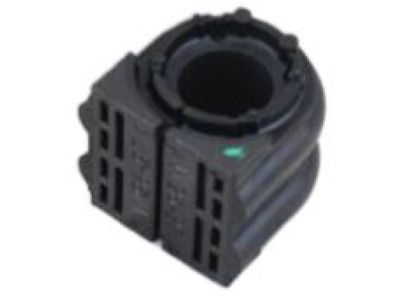
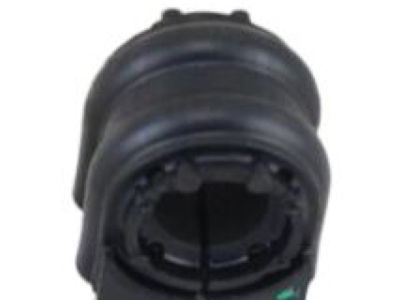
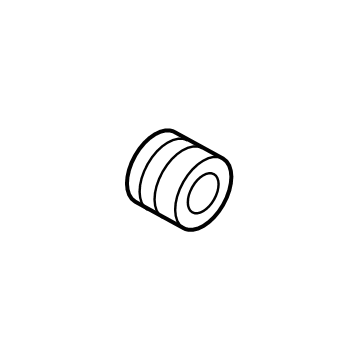

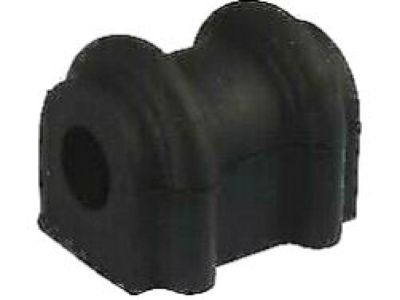
Kia Sedona Stabilizer Bar Bush
Part Number: 54813B8000$34.52 MSRP: $49.82You Save: $15.30 (31%)Ships in 1-3 Business Days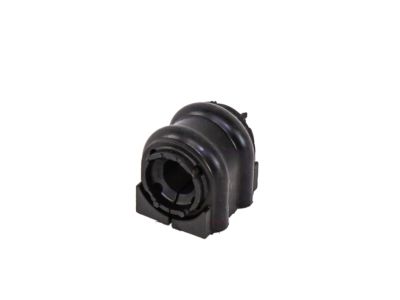
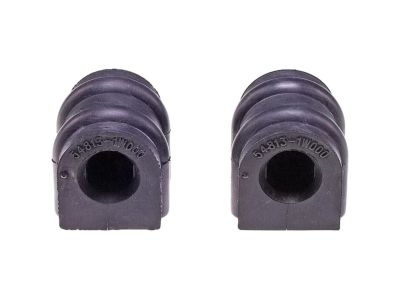
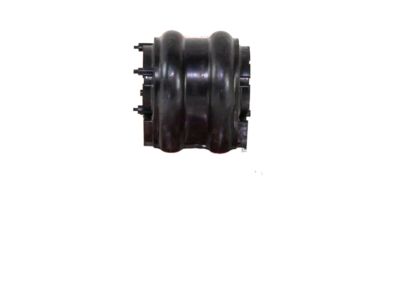
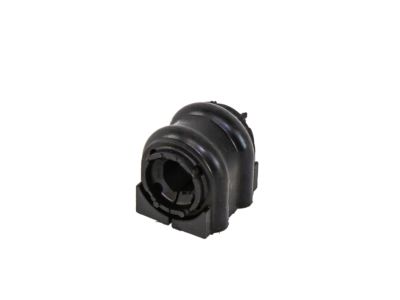

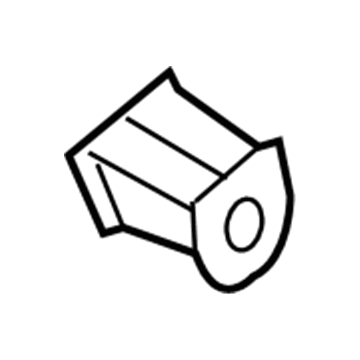
Kia Sedona Stabilizer Bar Bush
Part Number: 548131W000$18.17 MSRP: $26.00You Save: $7.83 (31%)Ships in 1-3 Business Days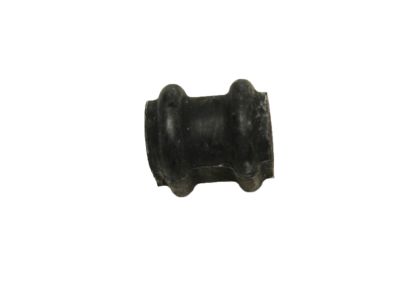
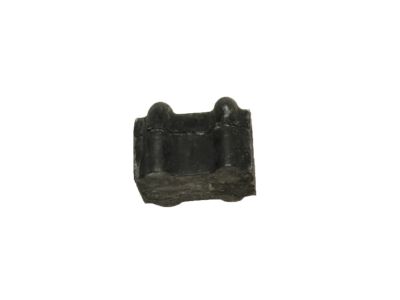

Kia Sedona Stabilizer Bar Bush
Part Number: 555134D000$23.72 MSRP: $33.93You Save: $10.21 (31%)Ships in 1-3 Business Days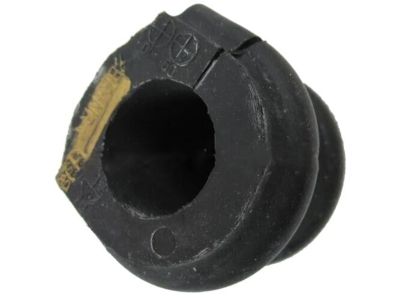
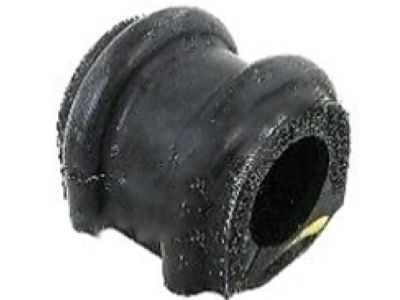

Kia Sedona Stabilizer Bar Bush
Part Number: 548134D000$25.04 MSRP: $33.93You Save: $8.89 (27%)Ships in 1-3 Business Days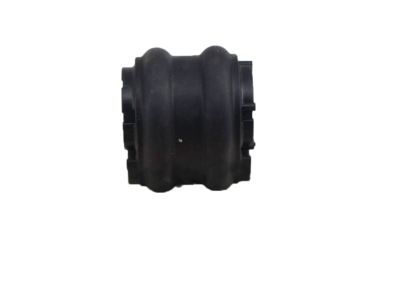
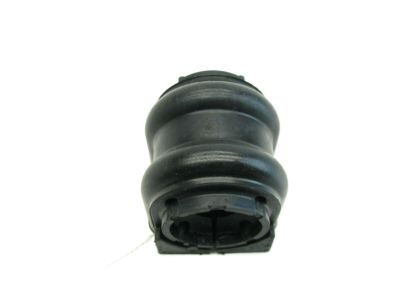
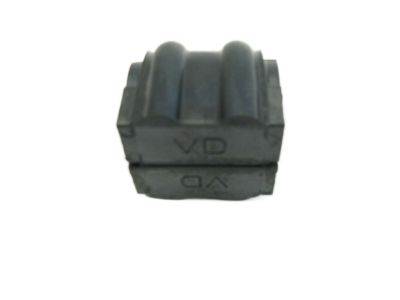

Kia Sedona Stabilizer Bar Bush
Part Number: 555133M600$19.13 MSRP: $27.37You Save: $8.24 (31%)Ships in 1-3 Business Days
Kia Sedona Stabilizer Bar Bush
Part Number: 548134D001$23.72 MSRP: $33.93You Save: $10.21 (31%)Ships in 1-3 Business Days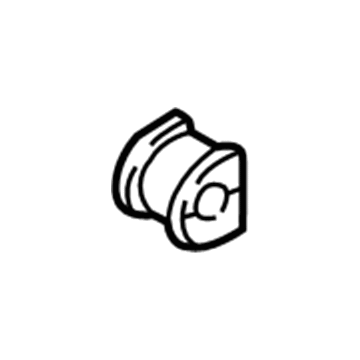

Kia Sedona Rubber Bush
Part Number: 0K52Y28156B$10.05 MSRP: $13.62You Save: $3.57 (27%)Ships in 1-3 Business Days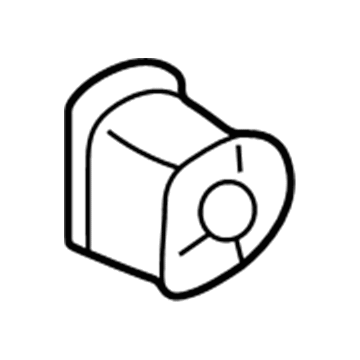

Kia Sedona Sway Bar Bushing
Kia Sedona Sway Bar Bushing holds stabilizer bar snug against frame and soaks up bumps, keeping minivan planted cornering. Mounted at both the front and rear suspension, each Sway Bar Bushing locks a separate stabilizer bar, allowing the body to resist roll while still allowing it to flex with controlled mechanisms. The part's rubber sleeve helps to cushion metal contact, muffle the sound of the road, and smooth over rough pavement, helping the Kia Sedona to feel composed and comfortable. When the bushings dry out or wear, the Sedona may rattle and squeak or be slow to turn, which is a warning that there is a problem with the vehicle's stability and safety. Drivers will find two styles in the chassis, a front Sway Bar Bushing and a rear Sway Bar Bushing, each sized for its particular bar but working on the same clamp and sleeve principle. Regular lubrication and inspection enable the Kia to continue providing confident handling for many miles, as a healthy Sway Bar Bushing rarely needs attention once protected from dirt and moisture. Ignoring warning noises encourages more pronounced body sway, making the Sedona harder to steer precisely, so prompt replacement is rewarded by the crisp feel that Kia nameplate promises.
If you're in search of top-notch, reasonably priced OEM Kia Sedona Sway Bar Bushing, then you've found the perfect spot. Our website boasts an extensive inventory of Kia Sedona Sway Bar Bushing, all priced at the market's premier price. Rest assured, every genuine part we offer comes with a warranty straight from the manufacturer.
Kia Sedona Sway Bar Bushing Parts Questions & Experts Answers
- Q:How to properly remove and install the rear stabilizer bar using Sway Bar Bushing, Sway Bar Kit and Sway Bar Link on a Kia Sedona?Posted by Andrius V.A:Loosen the rear wheel lug nuts, then raise the rear of the vehicle and support it securely on jackstands before removing the wheels. For models from 2005 and earlier, support the rear axle beam with a floor jack and raise it slightly. Remove the nuts from the sway bar link bolts and pull the link bolts out, noting the order of the spacers, washers, and rubber insulators. Unbolt the sway bar bushing brackets to remove the sway bar kit from the vehicle, taking care to note the positions of the bushings. Check the bushings for wear, hardness, distortion, cracking, and other signs of deterioration, replacing them if necessary, and inspect the sway bar links for loose ballstuds. Clean the areas of the bar where the bushings ride using a wire brush. Installation is the reverse of removal, ensuring to tighten the bushing bracket bolts to the specified torque and the link nuts until 3/8 to 5/8-inch of thread is exposed, then tighten the outer nut against the inner nut to the specified torque. For models from 2006 and later, remove the nuts and detach the sway bar links from the Trailing Arm, then remove the bolts from the sway bar bushing brackets and detach the bar from the subframe. Again, check the bushings for wear and clean the areas where the bushings ride. Installation follows the same reverse process, ensuring to tighten the bushing bracket bolts and link nuts to the specified torque, along with the wheel lug nuts.Answered by Kia Parts Specialist Austin / Sep 25, 2022
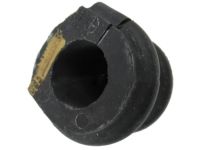
Related Kia Sedona Parts
 Kia Sedona Steering Wheel
 Kia Sedona Sway Bar Link
 Kia Sedona Steering Column
 Kia Sedona Sway Bar Kit
 Kia Sedona Sway Bar Bracket
Browse by Year
2021 Sway Bar Bushing 2020 Sway Bar Bushing 2019 Sway Bar Bushing 2018 Sway Bar Bushing 2017 Sway Bar Bushing 2016 Sway Bar Bushing 2015 Sway Bar Bushing 2014 Sway Bar Bushing 2013 Sway Bar Bushing 2012 Sway Bar Bushing 2011 Sway Bar Bushing 2010 Sway Bar Bushing 2009 Sway Bar Bushing 2008 Sway Bar Bushing 2007 Sway Bar Bushing 2006 Sway Bar Bushing 2005 Sway Bar Bushing 2004 Sway Bar Bushing 2003 Sway Bar Bushing 2002 Sway Bar Bushing 2001 Sway Bar Bushing