×
- Hello
- Login or Register
- Quick Links
- Live Chat
- Track Order
- Parts Availability
- RMA
- Help Center
- Contact Us
- Shop for
- Kia Parts
- Kia Accessories

My Garage
My Account
Cart
Genuine Kia Sorento Sway Bar Kit
Stabilizer Sway Bar Set- Select Vehicle by Model
- Select Vehicle by VIN
Select Vehicle by Model
orMake
Model
Year
Select Vehicle by VIN
For the most accurate results, select vehicle by your VIN (Vehicle Identification Number).
24 Sway Bar Kits found
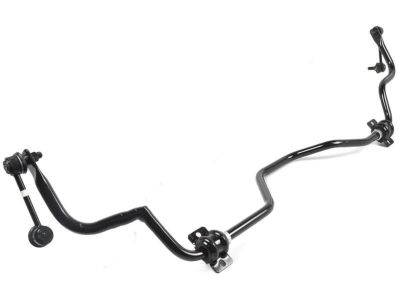
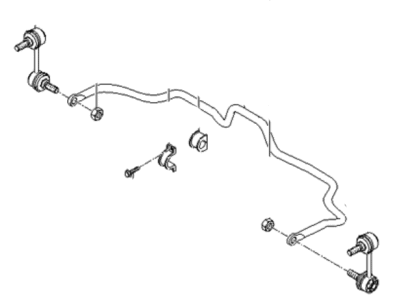

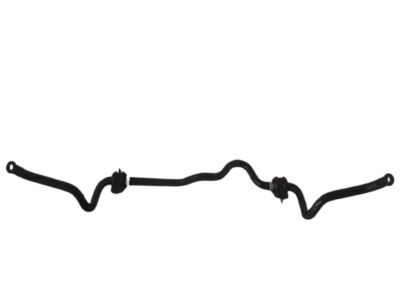
Kia Sorento Stabilizer Bar Assembly
Part Number: 555103E100$312.07 MSRP: $438.92You Save: $126.85 (29%)Ships in 1-3 Business Days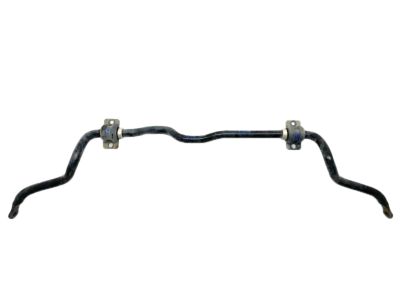
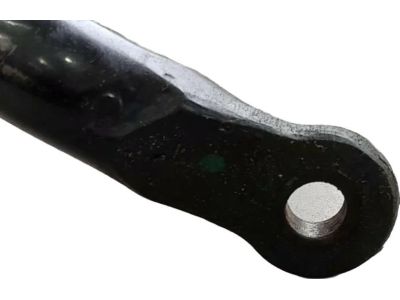
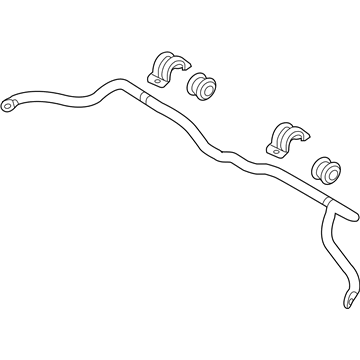

Kia Sorento Front Stabilizer Bar Assembly
Part Number: 548102B000$176.51 MSRP: $256.93You Save: $80.42 (32%)Ships in 1-3 Business Days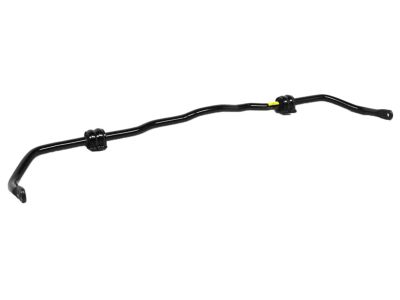
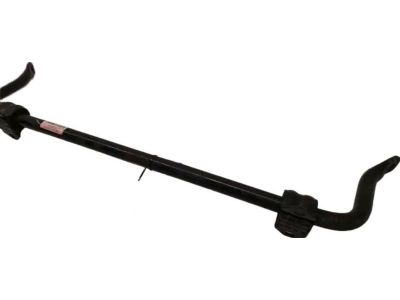
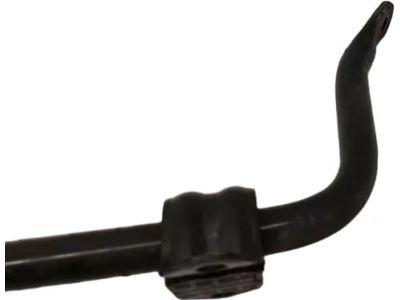
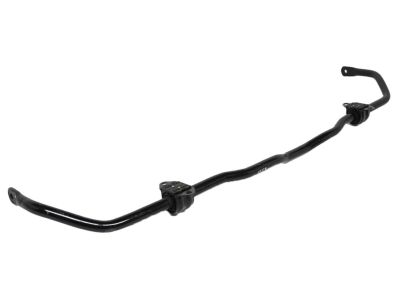
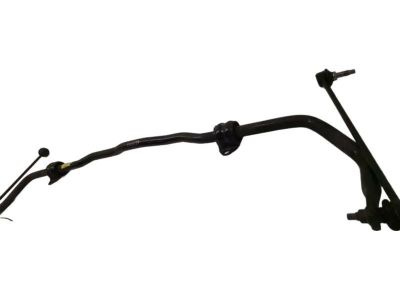
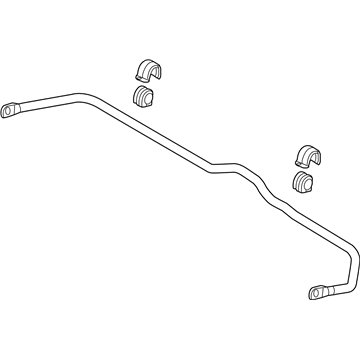

Kia Sorento Front Stabilizer Bar Assembly
Part Number: 54810C5200$200.79 MSRP: $292.27You Save: $91.48 (32%)Ships in 1-3 Business Days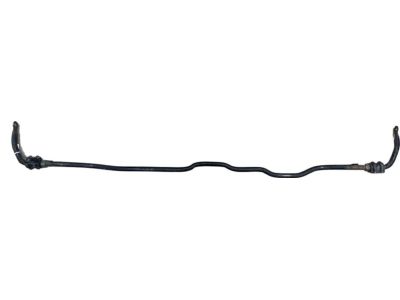
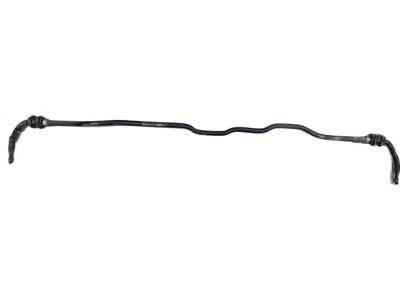
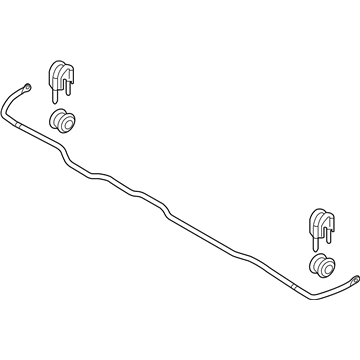

Kia Sorento Rear Stabilizer Bar Assembly
Part Number: 555101U000$150.26 MSRP: $218.72You Save: $68.46 (32%)Ships in 1-3 Business Days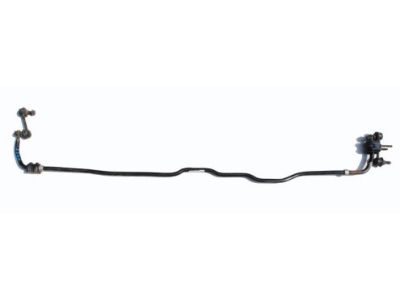
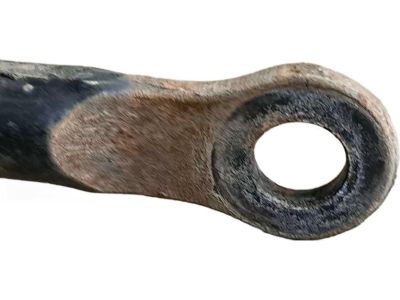
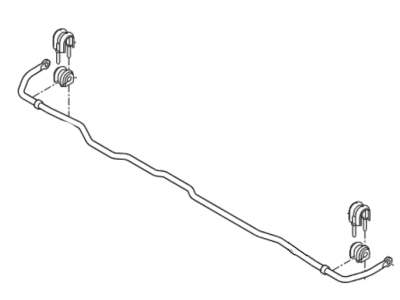
Kia Sorento Rear Stabilizer Bar Assembly
Part Number: 555102P000$165.23 MSRP: $229.48You Save: $64.25 (28%)Ships in 1-3 Business Days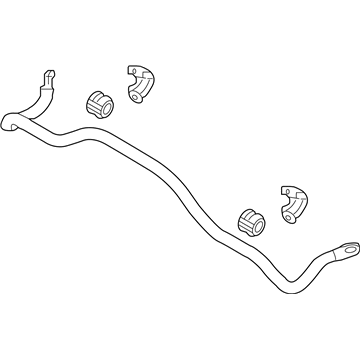

Kia Sorento Rear Stabilizer Bar Assembly
Part Number: 55510C6100$147.26 MSRP: $214.35You Save: $67.09 (32%)Ships in 1-3 Business Days
Kia Sorento Front Stabilizer Bar Assembly
Part Number: 548104Z000$252.68 MSRP: $370.07You Save: $117.39 (32%)Ships in 1-3 Business Days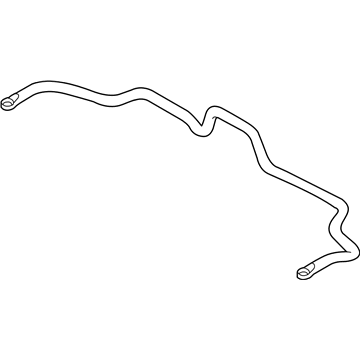

Kia Sorento Stabilizer Bar-Rear
Part Number: 555013E010$266.34 MSRP: $374.60You Save: $108.26 (29%)Ships in 1-3 Business Days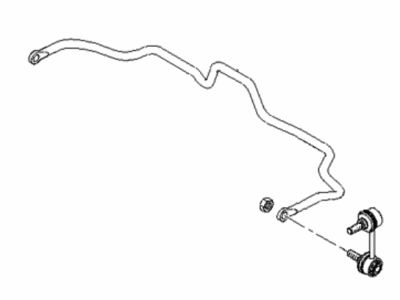
Kia Sorento Stabilizer Bar Assembly
Part Number: 555103E000$307.47 MSRP: $432.45You Save: $124.98 (29%)Ships in 1-3 Business Days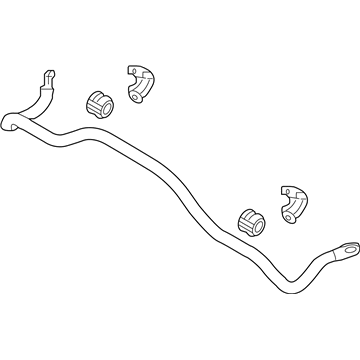
Kia Sorento Rear Stabilizer Bar Assembly
Part Number: 55510C6000$147.26 MSRP: $214.35You Save: $67.09 (32%)Ships in 1-3 Business Days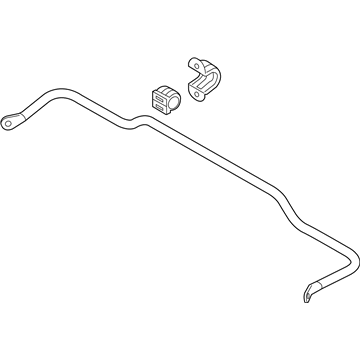

Kia Sorento Rear Stabilizer Bar Assembly
Part Number: 555102W010$119.25 MSRP: $173.58You Save: $54.33 (32%)Ships in 1-3 Business DaysKia Sorento Stabilizer Bar Assembly
Part Number: 555003E010$192.11 MSRP: $266.82You Save: $74.71 (28%)Ships in 1-3 Business DaysKia Sorento Front Stabilizer Bar Assembly
Part Number: 54810C5000$221.99 MSRP: $323.13You Save: $101.14 (32%)Ships in 1-3 Business Days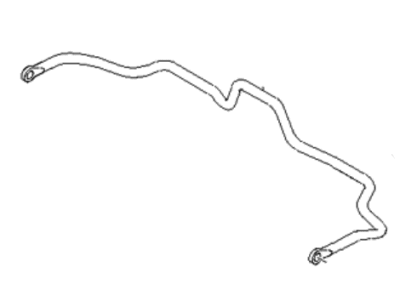
Kia Sorento Bar-Rear Stabilizer
Part Number: 555113E050$128.14 MSRP: $177.97You Save: $49.83 (28%)Ships in 1-3 Business Days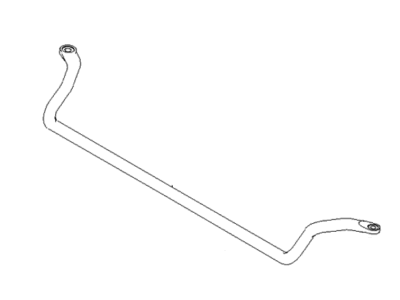

Kia Sorento Stabilizer Bar-Front
Part Number: 548003E020$137.86 MSRP: $191.47You Save: $53.61 (28%)Ships in 1-3 Business Days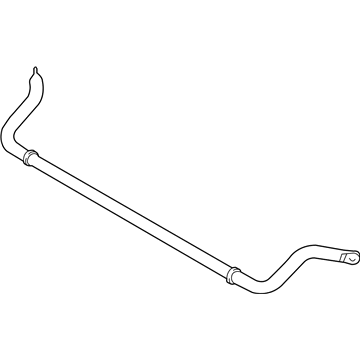
Kia Sorento Stabilizer Bar-Front
Part Number: 548123E000$131.54 MSRP: $191.47You Save: $59.93 (32%)Ships in 1-3 Business Days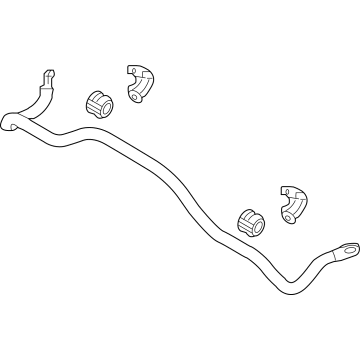

Kia Sorento Bar Assembly-Rr STABILIZ
Part Number: 55510P2000$140.15 MSRP: $204.00You Save: $63.85 (32%)Ships in 1-3 Business Days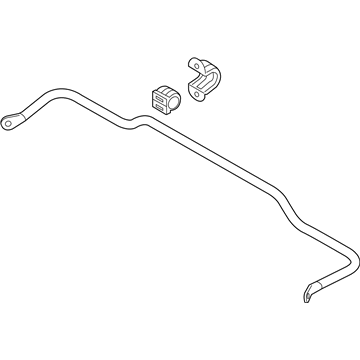
Kia Sorento Bar Assembly-Rr STABILIZ
Part Number: 55510P2500$140.15 MSRP: $204.00You Save: $63.85 (32%)Ships in 1-3 Business Days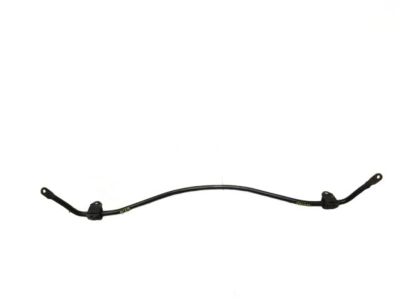
Kia Sorento Rear Stabilizer Bar Assembly
Part Number: 555102W110$165.29 MSRP: $229.57You Save: $64.28 (28%)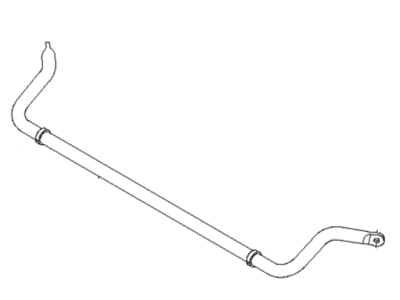

| Page 1 of 2 |Next >
1-20 of 24 Results
Kia Sorento Sway Bar Kit
The Sway Bar Kit of Kia Sorento ensures that the SUV does not lean on corners, and also do not by connecting the opposite suspension arms and opposing body lean. The Sway Bar Kit is a torsion bar made of solid steel, which makes the left and right wheels move simultaneously in order to maintain even grip. The early Sorento versions had a single fixed bar, and the subsequent generations of Kia has incorporated thicker Sway Bar Kit with low-friction bushings to increase stiffness. Current Sorento trims can add the Sway Bar Kit to drive modes that have a slight difference in their impact, providing sharper turn-in without loss of ride height. Since the Sway Bar Kit does not replace the coil springs but instead works in conjunction with the springs, Kia maintains the bump comfort and Sorento drivers experience faster transitions with less side sway, and Kia is an assured daily performer.
If you're in search of top-notch, reasonably priced OEM Kia Sorento Sway Bar Kit, then you've found the perfect spot. Our website boasts an extensive inventory of Kia Sorento Sway Bar Kit, all priced at the market's premier price. Rest assured, every genuine part we offer comes with a warranty straight from the manufacturer.
Kia Sorento Sway Bar Kit Parts Questions & Experts Answers
- Q: How to remove and replace the rear sway bar and Sway Bar Bushing using a Sway Bar Kit on a Kia Sorento?A:Lose the nuts of the rear wheel, lift the rear of the car and place jackstands to support it properly before removing the wheels. Position the vehicle on jack stands and so if you have a 2009 model or a model prior to the year 2000, support the back axle with a floor jack beneath the differential at the same time lifting it slightly. Remove the link from the bar and remove the bolts of the bar bushing brackets. The sway bar kit can then be removed followed by the removal of the bushings but care ought to be taken in order to note their positions. Test the bushings for their physical conditions such as firmness, deformation, crack or other signs of wear and replace them accordingly. Check for free ball-studs on the ends of the Sway Bar Links. Scrub the grooves of the bar where the bushings roll with a wire and apply vegetable oil on both inner and outer sides of the new bushings and do not use petroleum or mineral-based lubricants/brake fluid as they deteriorate the bushings. Reverse is the process followed while installation, making sure the bushing bracket bolts are tightened to the set torque and the link nuts have 5/8-inches (16mm) thread showing before it is tightened and then the jam nuts are tightened. For 2011 and later models, the rear subframe has to be disconnected, the link of the sway bar kit is to be detached from the connecting rod of the rear end knuckle, the sway bar nuts that are connected to the sway bar bushing brackets have to be removed to remove the bar from the subframe. Once more, examine the bushings for signs of wear and then clean the contacting surface which is the area where the bushings roll while applying vegetable oil as lubricant and avoiding those which are deleterious. Finally, disassembly is performed in an inverse manner to assembly, checking the bolts and nuts to see that they were tightened to the said torque values.
Related Kia Sorento Parts
 Kia Sorento Steering Wheel
 Kia Sorento Sway Bar Link
 Kia Sorento Sway Bar Bushing
 Kia Sorento Steering Column
 Kia Sorento Sway Bar Bracket
Browse by Year
2023 Sway Bar Kit 2022 Sway Bar Kit 2021 Sway Bar Kit 2020 Sway Bar Kit 2019 Sway Bar Kit 2018 Sway Bar Kit 2017 Sway Bar Kit 2016 Sway Bar Kit 2015 Sway Bar Kit 2014 Sway Bar Kit 2013 Sway Bar Kit 2012 Sway Bar Kit 2011 Sway Bar Kit 2010 Sway Bar Kit 2009 Sway Bar Kit 2008 Sway Bar Kit 2007 Sway Bar Kit 2006 Sway Bar Kit 2005 Sway Bar Kit 2004 Sway Bar Kit 2003 Sway Bar Kit