×
- Hello
- Login or Register
- Quick Links
- Live Chat
- Track Order
- Parts Availability
- RMA
- Help Center
- Contact Us
- Shop for
- Kia Parts
- Kia Accessories

My Garage
My Account
Cart
Genuine Kia Oil Pan
Oil Drain Pan- Select Vehicle by Model
- Select Vehicle by VIN
Select Vehicle by Model
orMake
Model
Year
Select Vehicle by VIN
For the most accurate results, select vehicle by your VIN (Vehicle Identification Number).
99 Oil Pans found
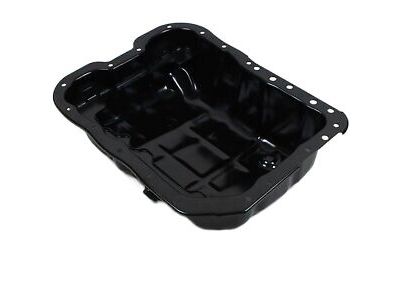
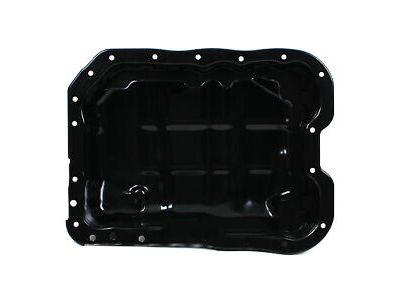
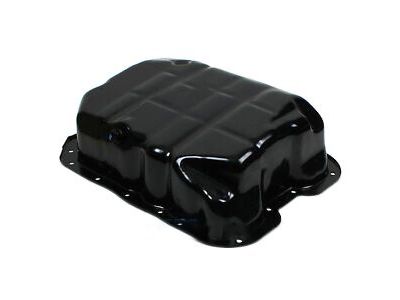
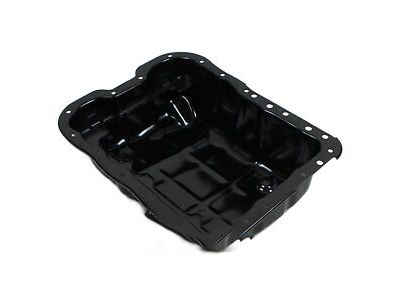
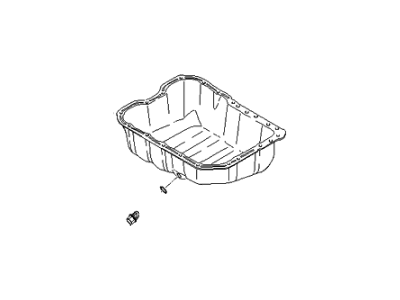

Kia Engine Oil Pan Assembly
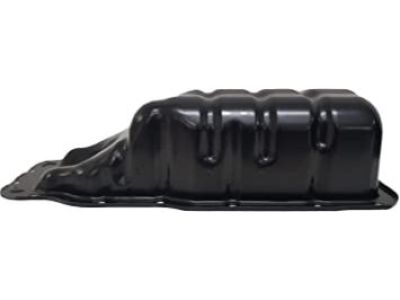
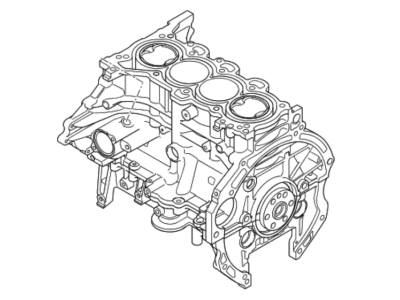
Part Number: 215102G500$62.72 MSRP: $90.50You Save: $27.78 (31%)Ships in 1-3 Business DaysProduct Specifications- Other Name: Pan Assembly-Engine Oil; Oil Pan
- Replaces: 215102G050, 2151025053, 2151025051, 2151025055, 2151025050, 215102G002, 215102G001
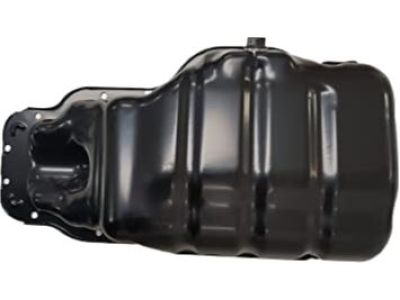
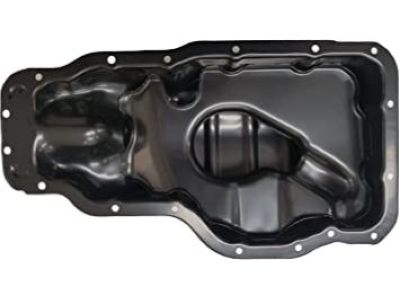
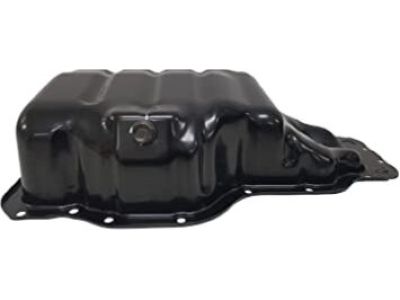

Kia Engine Oil Pan Assembly
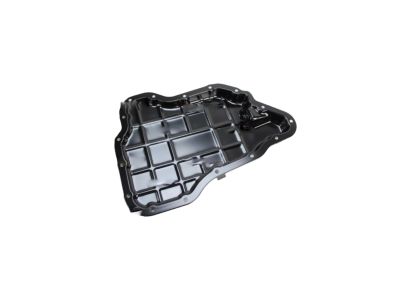
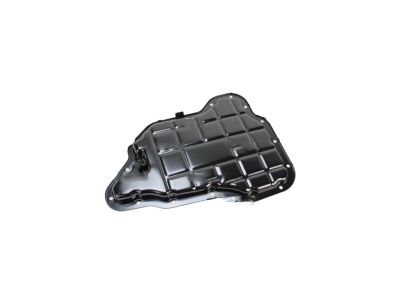
Part Number: 215102E023$72.30 MSRP: $104.33You Save: $32.03 (31%)Ships in 1-3 Business DaysProduct Specifications- Other Name: Pan Assembly-Engine Oil; Oil Pan
- Replaces: 273V22EH00, 2D0822EU00R, 3D0932EU00, 2D2422EU00, 2D2422EU01S, 311V32EH00

Kia Engine Oil Pan Assembly
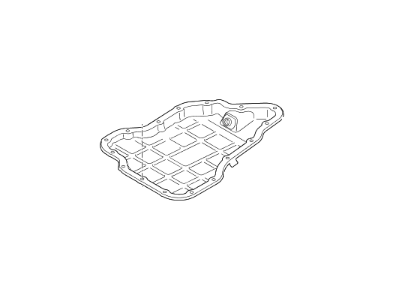
Part Number: 215103LAA0$41.57 MSRP: $59.98You Save: $18.41 (31%)Ships in 1-3 Business DaysProduct Specifications- Other Name: Pan Assembly-Engine Oil,Lower; Lower Oil Pan, Oil Pan
Kia Engine Oil Pan Assembly
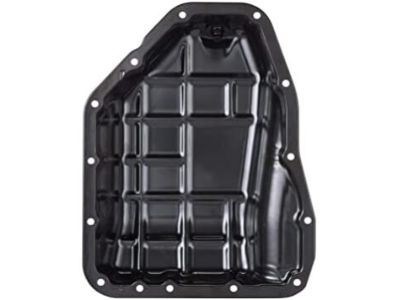
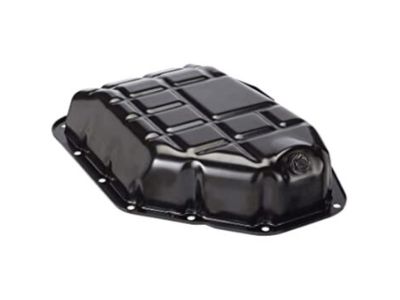
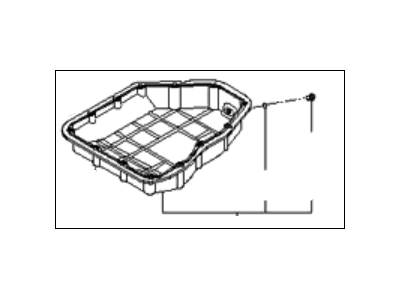
Part Number: 215103C201$49.80 MSRP: $71.87You Save: $22.07 (31%)Ships in 1-3 Business DaysProduct Specifications- Other Name: Pan Assembly-Engine Oil,Lower; Lower Oil Pan, Oil Pan
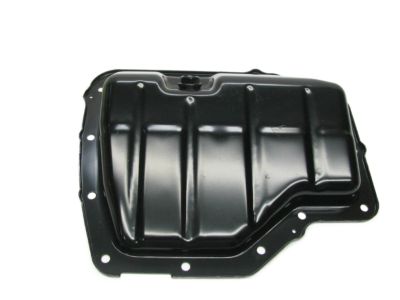
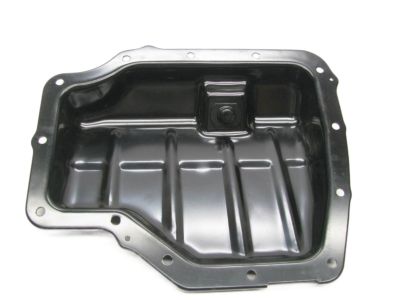
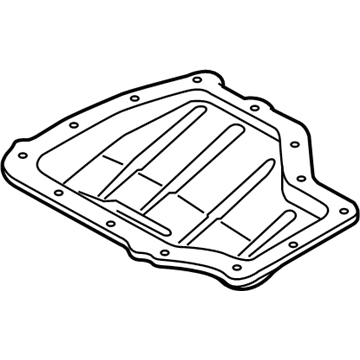

Kia Engine Oil Pan Assembly
Part Number: 215102B700$56.47 MSRP: $81.48You Save: $25.01 (31%)Ships in 1-3 Business DaysProduct Specifications- Other Name: Pan Assembly-Engine Oil; Oil Pan
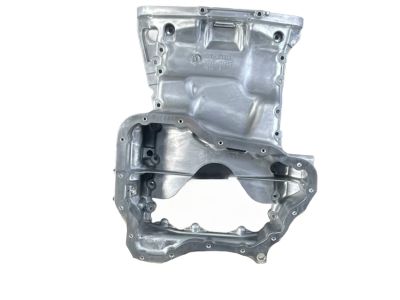
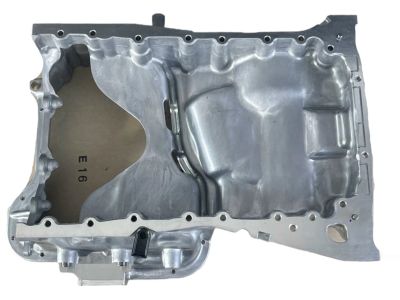
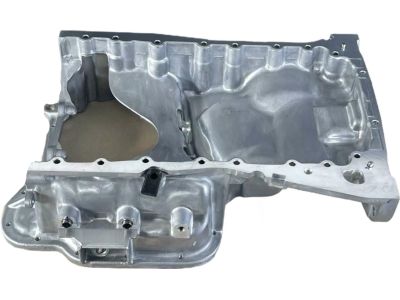
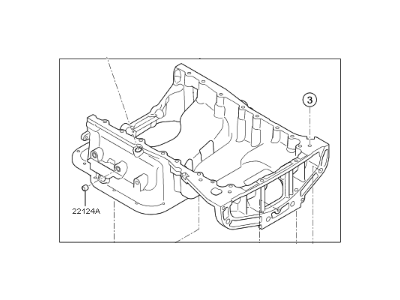
Kia Engine Oil Pan Assembly
Part Number: 215203LFA0$238.16 MSRP: $348.80You Save: $110.64 (32%)Ships in 1-3 Business DaysProduct Specifications- Other Name: Pan Assembly-Engine Oil; Oil Pan, Upper Oil Pan
- Replaces: 215203LAA0
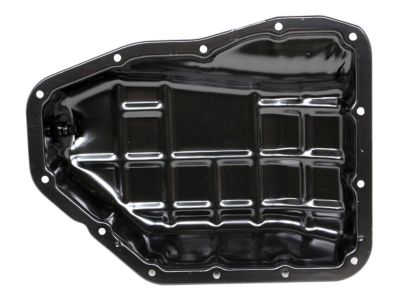
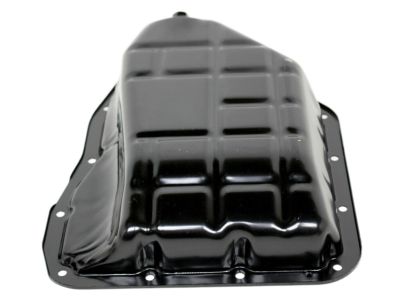
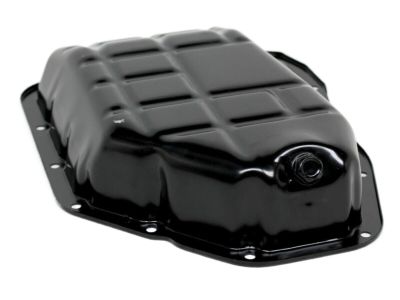
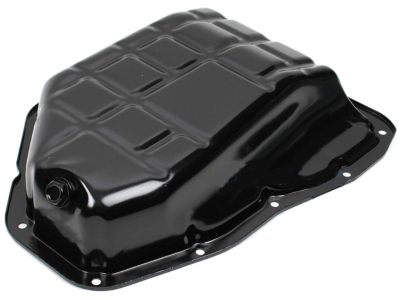
Kia Engine Oil Pan Assembly
Part Number: 215103C160$62.86 MSRP: $90.70You Save: $27.84 (31%)Ships in 1-3 Business DaysProduct Specifications- Other Name: Pan Assembly-Engine Oil,Lower; Lower Oil Pan, Oil Pan
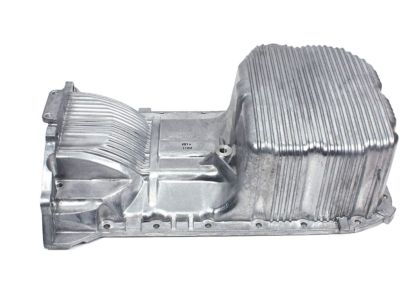
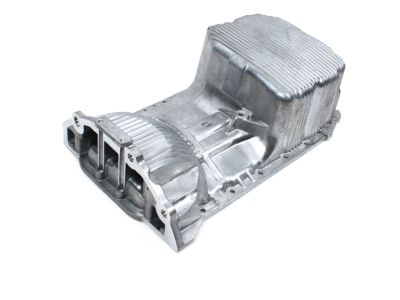
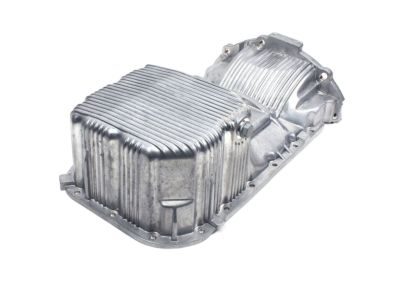
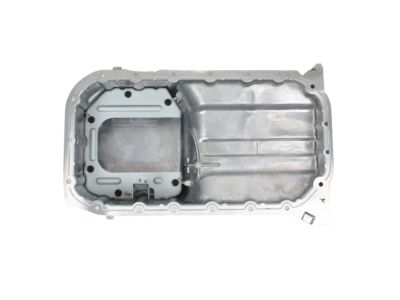
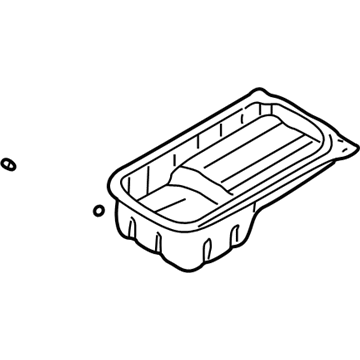

Kia Engine Oil Pan Assembly
Part Number: 2152023604$270.95 MSRP: $396.82You Save: $125.87 (32%)Ships in 1-3 Business DaysProduct Specifications- Other Name: Pan Assembly-Engine Oil; Oil Pan
- Replaces: 2152023605
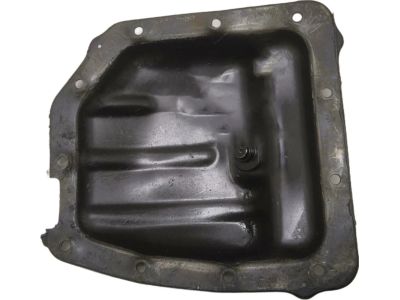
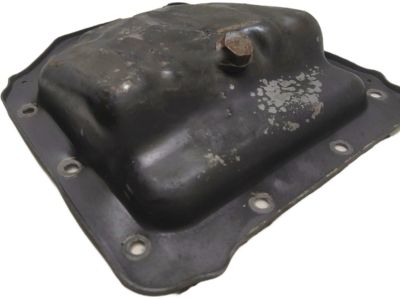
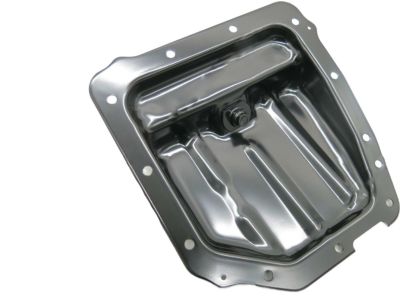
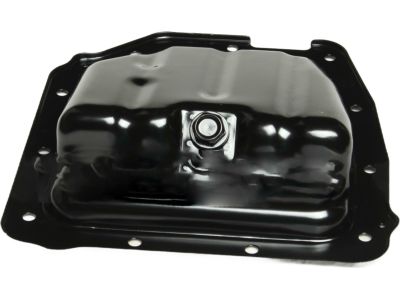
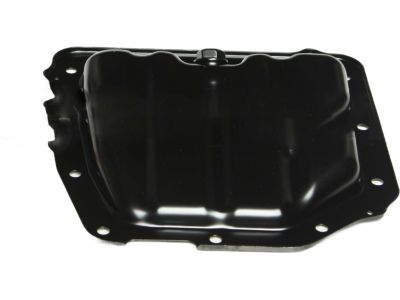
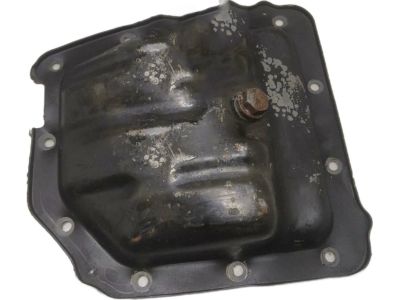
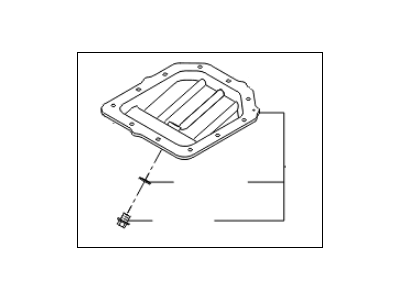

Kia Engine Oil Pan Assembly
Part Number: 215102B040$30.80 MSRP: $44.45You Save: $13.65 (31%)Ships in 1-3 Business DaysProduct Specifications- Other Name: Pan Assembly-Engine Oil; Oil Pan
- Replaces: 215102B020
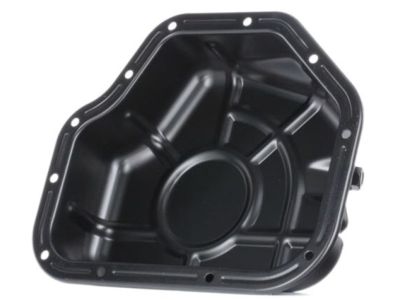
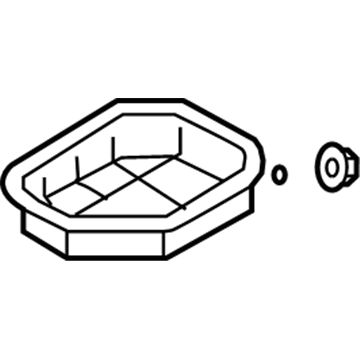

Kia Engine Oil Pan Assembly
Part Number: 215103E000$58.78 MSRP: $84.82You Save: $26.04 (31%)Ships in 1-2 Business DaysProduct Specifications- Other Name: Pan Assembly-Engine Oil,Lower; Lower Oil Pan, Oil Pan
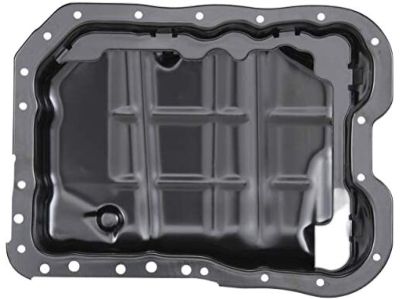
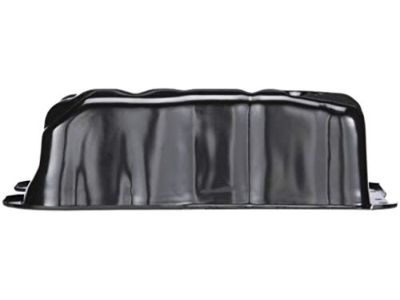
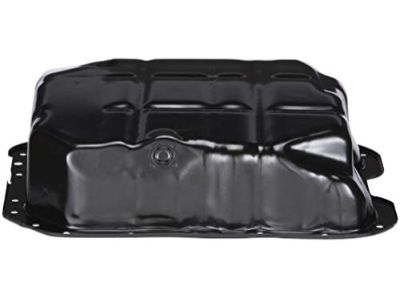
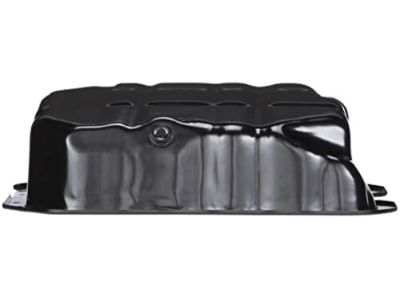
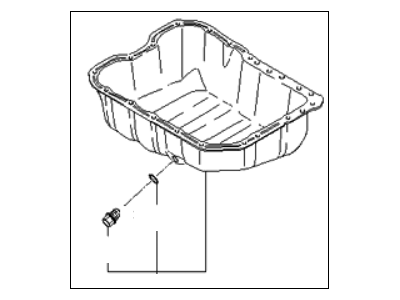
Kia Engine Oil Pan Assembly
Part Number: 2151025050$62.72 MSRP: $90.50You Save: $27.78 (31%)Ships in 1-3 Business DaysProduct Specifications- Other Name: Pan Assembly-Engine Oil
- Replaced by: 215102G500
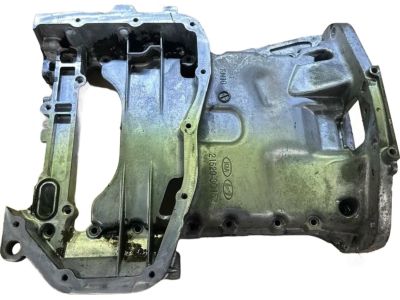
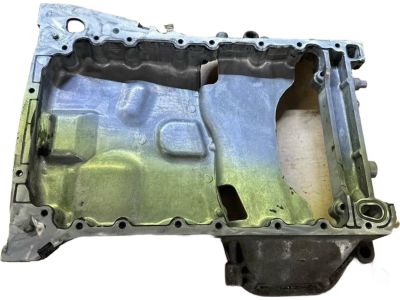
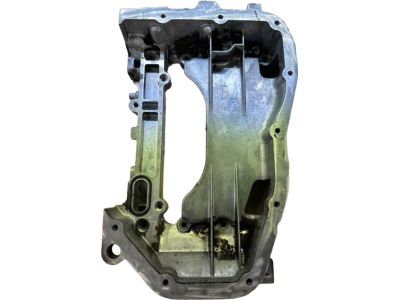
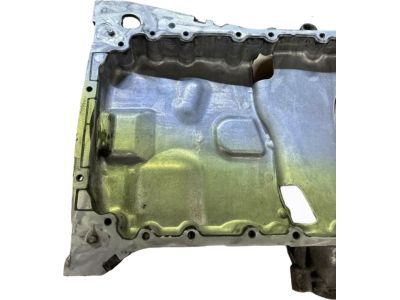
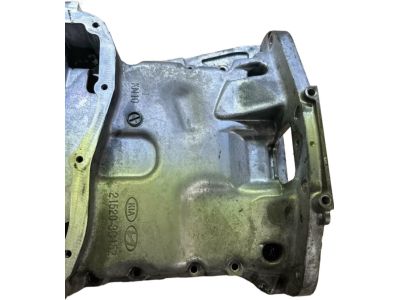
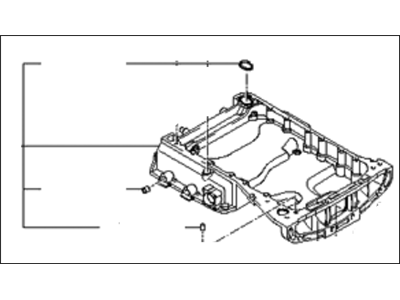
Kia Engine Oil Pan Assembly
Part Number: 215203C152$195.89 MSRP: $285.13You Save: $89.24 (32%)Ships in 1-3 Business DaysProduct Specifications- Other Name: Pan Assembly-Engine Oil,Upper; Oil Pan, Upper Oil Pan
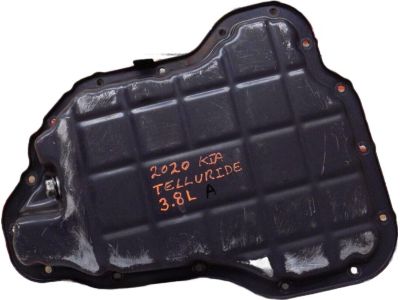
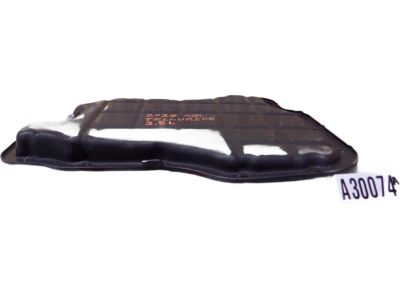
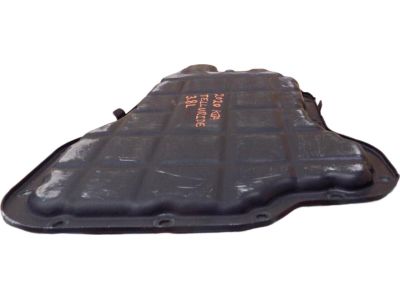
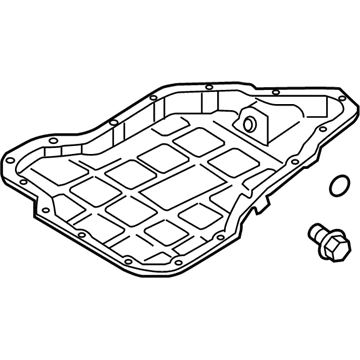

Kia Engine Oil Pan Assembly
Part Number: 215103LFA0$62.88 MSRP: $90.73You Save: $27.85 (31%)Ships in 1-3 Business DaysProduct Specifications- Other Name: Pan Assembly-Engine Oil; Oil Pan
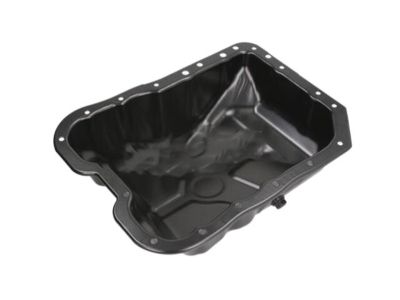
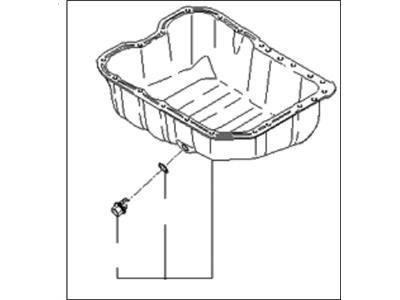

Kia Engine Oil Pan Assembly
Part Number: 215102G050$62.72 MSRP: $90.50You Save: $27.78 (31%)Ships in 1 Business DayProduct Specifications- Other Name: Pan Assembly-Engine Oil
- Replaced by: 215102G500
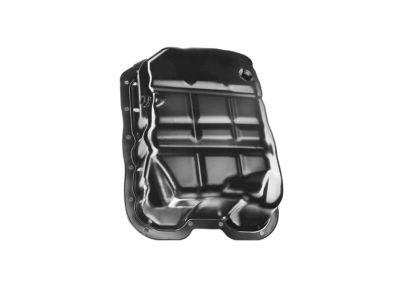
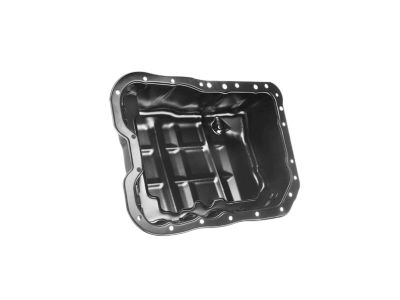
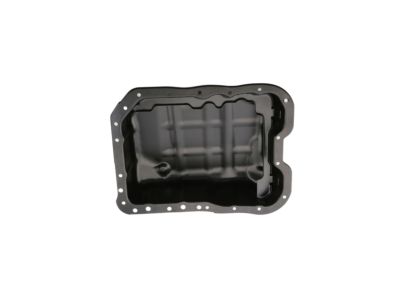
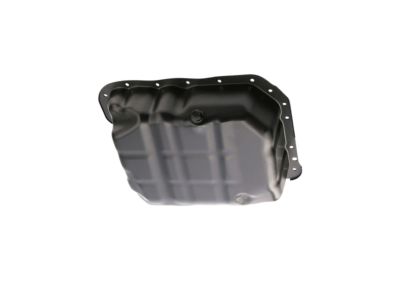

Kia Engine Oil Pan Assembly
Part Number: 2151025051$62.72 MSRP: $90.50You Save: $27.78 (31%)Ships in 1-2 Business DaysProduct Specifications- Other Name: Pan Assembly-Engine Oil
- Replaced by: 215102G500
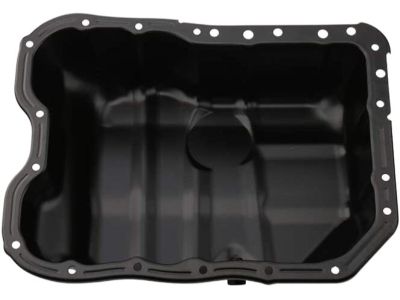
Kia Engine Oil Pan Assembly
Part Number: 2151025053$62.72 MSRP: $90.50You Save: $27.78 (31%)Ships in 1 Business DayProduct Specifications- Other Name: Pan Assembly-Engine Oil
- Replaced by: 215102G500
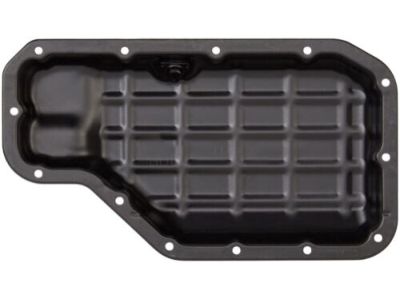
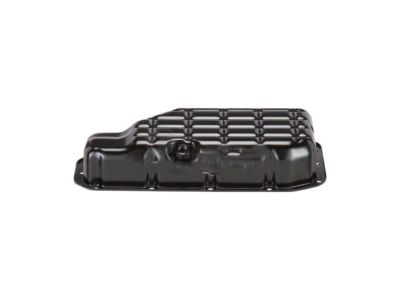
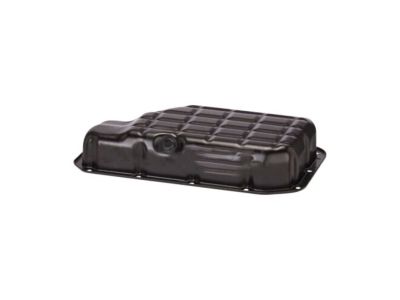
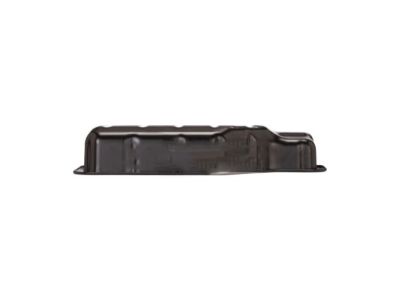
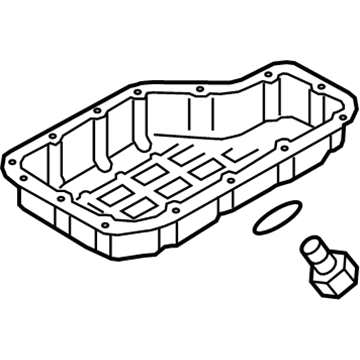

Kia Engine Oil Pan Assembly
Part Number: 215103C600$140.06 MSRP: $203.87You Save: $63.81 (32%)Ships in 1-3 Business DaysProduct Specifications- Other Name: Pan Assembly-Engine Oil,Lower; Lower Oil Pan, Oil Pan
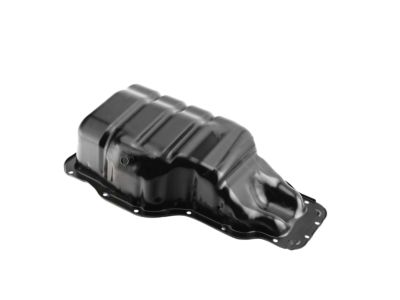
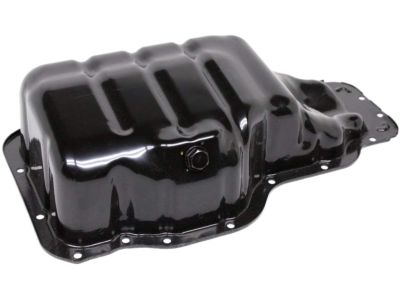
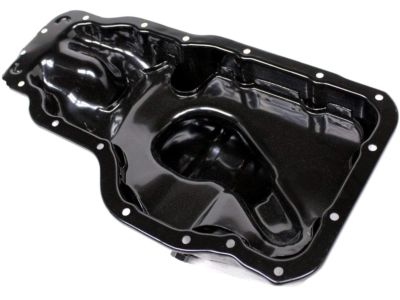
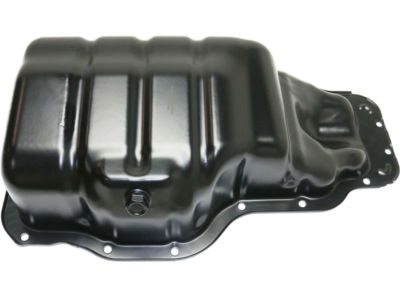
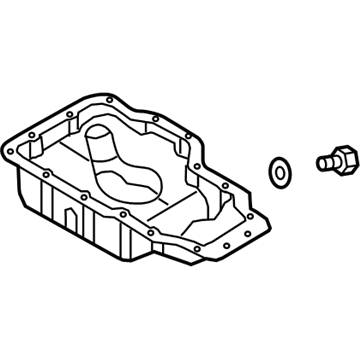

Kia Engine Oil Pan Assembly
Part Number: 215102E022$72.30 MSRP: $104.33You Save: $32.03 (31%)Ships in 1-2 Business DaysProduct Specifications- Other Name: Pan Assembly-Engine Oil; Oil Pan
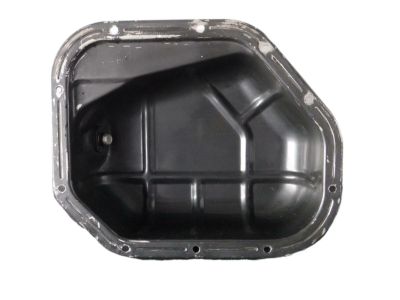
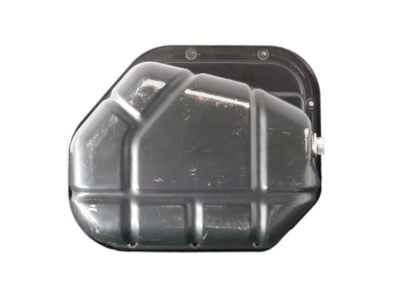
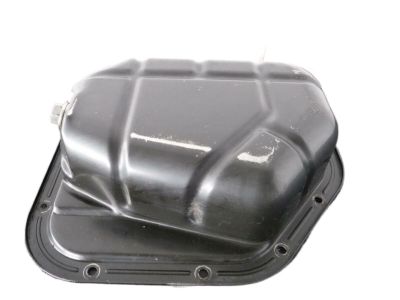
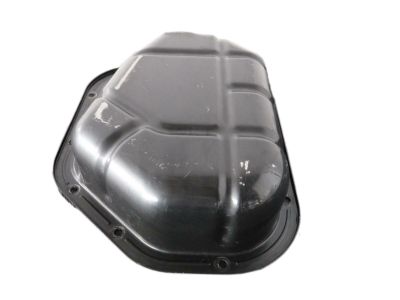
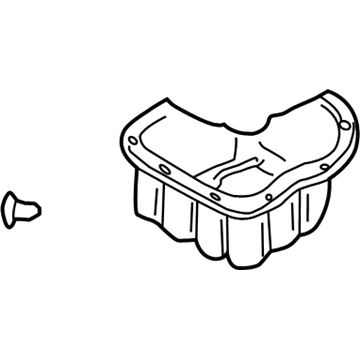
Kia Engine Oil Pan Assembly
Part Number: 2151037111$54.15 MSRP: $78.13You Save: $23.98 (31%)Ships in 1 Business DayProduct Specifications- Other Name: Pan Assembly-Engine Oil,Lower; Lower Oil Pan, Oil Pan
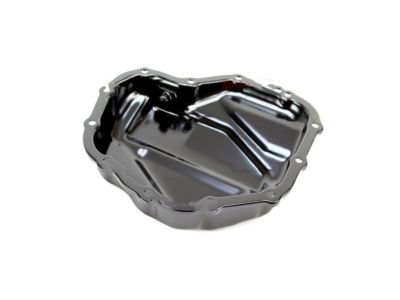
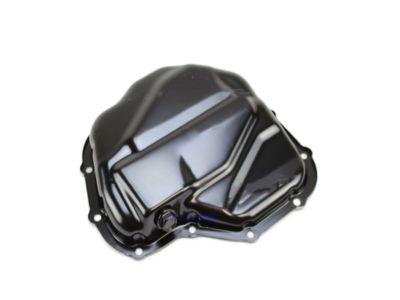
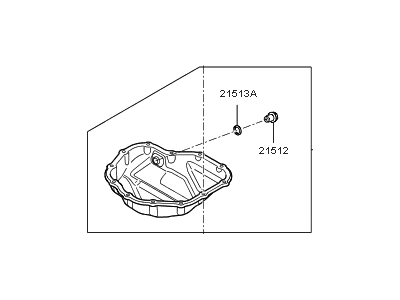

Kia Engine Oil Pan Assembly
Part Number: 2151003HA0$37.11 MSRP: $53.55You Save: $16.44 (31%)Ships in 1-3 Business DaysProduct Specifications- Other Name: Pan Assembly-Engine Oil; Oil Pan
| Page 1 of 5 |Next >
1-20 of 99 Results
About Kia Oil Pan
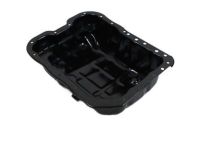
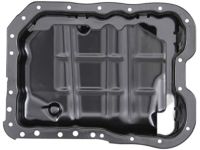
A Kia oil pan is a major Engine Parts. They are usually constructed of thin steel and shaped into a deeper section to fully perform its function. It is also where the oil pump is placed. When an engine is not running or at rest, oil pans collects the oil as it flows down from the sides of the crankcase. This is why it is a crucial car parts. In other words, a Kia oil pan is mounted at the bottom of the crankcase and serves as an oil reservoir.
Kia Oil Pan Parts Questions & Experts Answers
- Q:How to remove and install the oil pan on Kia Sorento for V6 engine?Posted by Ashley R.A:To remove the oil pan, first disconnect the cable from the negative terminal of the battery, then raise the vehicle and support it securely on jackstands. Remove the engine splash shields if equipped, drain the engine oil, and remove the oil filter. The oil pan consists of a two-piece assembly with an aluminum casting attached to the block and transmission/transaxle, along with a lower stamped-steel pan section. Disconnect the exhaust pipe from both exhaust manifolds, and for 2009 and earlier 4WD models, lower the front differential assembly. If necessary, disconnect the oxygen sensors and support the pipe temporarily, unbolting it at the rear and removing it from the vehicle. For 2011 and later models, remove the two lower bolts holding the upper aluminum oil pan section to the transaxle. Remove any interfering components to ensure enough clearance for oil pan removal. For 2009 and earlier models, it may be easier to attach an engine hoist and raise the engine to create enough room for upper oil pan removal. Detach the lower steel pan by removing the bolts, prying it loose carefully if stuck, and avoid damaging the mating surfaces. Remove the lower baffle if equipped and the oil pump strainer/pickup if necessary, then detach the aluminum oil pan from the block. For installation, use a scraper to remove old sealant from the block and oil pan, clean the mating surfaces, and ensure the threaded bolt holes in the block are clean. Check the flange of the steel pan section for distortion and flatten it if necessary. Reinstall the baffle if it was removed, clean the mating surfaces of the engine block and aluminum pan section, and apply a 3/16-inch wide bead of RTV sealant to the aluminum pan section. Install the aluminum pan section within five minutes, uniformly tighten the bolts to the specified torque, and inspect the oil pump pick-up/strainer assembly for cracks and blockages. If the pick-up was removed, clean it and install it with a new gasket, tightening the fasteners to the specified torque. Apply a 3/16-inch wide bead of RTV sealant to the flange of the steel oil pan section, position the steel pan on the aluminum section, and install the bolts, tightening them in several steps to the specified torque. The remainder of the installation follows the reverse order of removal, allowing the sealant to set for at least two hours before adding new oil and a new oil filter, then run the engine to check for oil pressure and leaks.Answered by Kia Parts Specialist Barry / Feb 19, 2024
- Q:How to remove and install the oil pan in a Kia Optima for V6 engine?Posted by Brook S.A:Oil pan is made of the two-plate structure, the upper part is an aluminum casting, welded to the cylinder block and transaxle; and the lower one is a stamped-steel pan part. It is needed to take off the lower oil pan; first, unscrew the cable from the minus terminal of the battery and then use a jack to lift the car properly and install it on stands. Take off the splasher for the engine, siphon off the engine's oil, and pull out the lower steel pan and side push bolts. If it is stuck, then try and carefully remove the stuck portion with the help of a small screwdriver or putty knife and make sure that the mating surface of the gasket does not get damaged because if they do get damaged oil leaks may result. Scrape off the old sealant from the block and the oil pan, wipe the areas of contact with lacquer thinner or acetone and also make sure that the threads of the bolts of the block are cleaned. Ensure that the flange of the steel pan is not distorted and bring it to the correct shape if it is distorted somehow. Scrub the mating surfaces of the engine block and aluminum upper oil pan section , then apply a RO case of RTV sealer with a continuous 1/8 inch bead on the pan gasket before installing it. Loosen and then gradually and carefully tighten the bolts in the specified order and let the sealant dry for not less than two hours and refuel with new oil and replace the oil filter. When installing the upper oil pan the lower oil pan and oil filter must be first removed and depending on whether the exhaust manifolds are side by side the exhaust pipe may also have to be disconnected. Sustain the pipe provisionally; undo the pipe at the back; disconnect and take off that part of the pipe as well as the other nuisances from the car. Lose all the fasteners of the oil pan upper, including those are located inside it and take out the lower baffle as well as the oil pump strainer/pickup. To do this tap the upper oil pan lightly with a plastic hammer, then use the brake system cleaner to clean all the sealing surfaces, as well, check the oil pump pick-up/ strainer assembly for defects. Raise the pan and spread 3/16-inch bead of RTV sealant on the aluminum pan section, fix the pan on the engine block, tighten the bolts in the mentioned sequence. The rest of the installation process is a reverse of the removal process it is advised to let the sealant set for at least two hours before the addition of new oil and an oil filter. Last, but not least, start the engine to inspect for oil pressure output and oil leaks.Answered by Kia Parts Specialist Barry / May 14, 2022
Related Kia Parts
 Kia Oil Filter
 Kia Oil Pump
 Kia Rod Bearing
 Kia Oil Cooler
 Kia Oil Pressure Switch
 Kia Crankshaft Pulley
 Kia Crankshaft Thrust Washer Set
 Kia Piston Ring Set
 Kia Dipstick
 Kia Dipstick Tube
 Kia Drain Plug
 Kia Drain Plug Washer
Browse by Model
Amanti Oil Pan Borrego Oil Pan Cadenza Oil Pan Carnival Oil Pan Forte Koup Oil Pan Forte Oil Pan K4 Oil Pan K5 Oil Pan K900 Oil Pan Niro Oil Pan Optima Hybrid Oil Pan Optima Oil Pan Rio Oil Pan Rondo Oil Pan Sedona Oil Pan Seltos Oil Pan Sephia Oil Pan Sorento Oil Pan Soul Oil Pan Spectra Oil Pan Spectra SX Oil Pan Spectra5 SX Oil Pan Sportage Oil Pan Stinger Oil Pan Telluride Oil Pan