×
- Hello
- Login or Register
- Quick Links
- Live Chat
- Track Order
- Parts Availability
- RMA
- Help Center
- Contact Us
- Shop for
- Kia Parts
- Kia Accessories

My Garage
My Account
Cart
Genuine Kia Optima Spark Plug
Ignition Spark Plug- Select Vehicle by Model
- Select Vehicle by VIN
Select Vehicle by Model
orMake
Model
Year
Select Vehicle by VIN
For the most accurate results, select vehicle by your VIN (Vehicle Identification Number).
12 Spark Plugs found
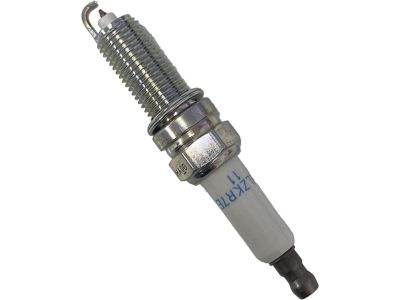
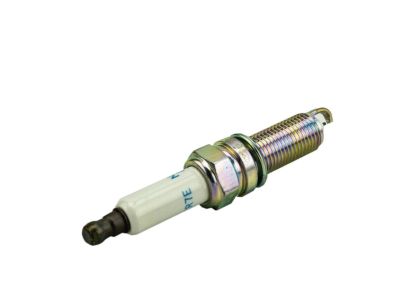
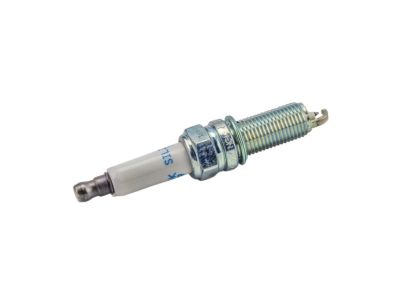
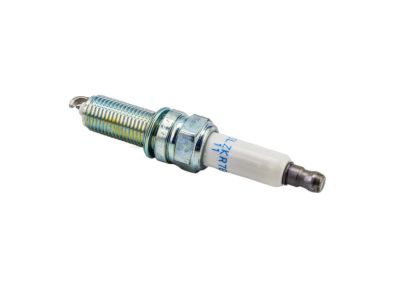

Kia Optima Spark Plug Assembly
Part Number: 1884911070$17.28 MSRP: $24.72You Save: $7.44 (31%)Ships in 1-2 Business Days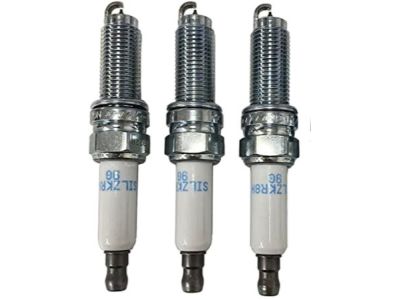

Kia Optima Spark Plug Assembly
Part Number: 1885709085$17.68 MSRP: $25.30You Save: $7.62 (31%)Ships in 1-3 Business Days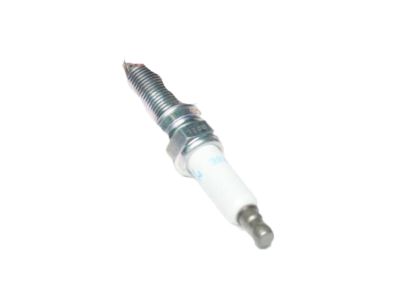
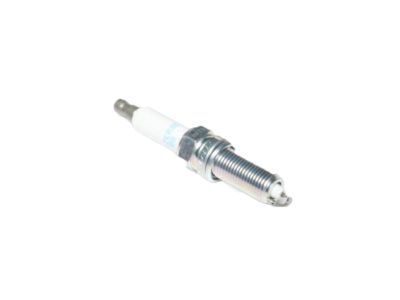
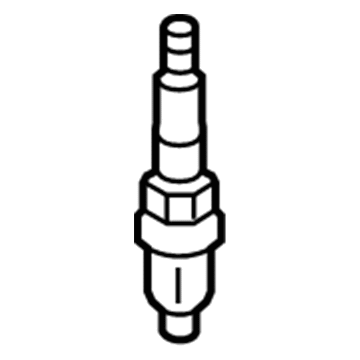

Kia Optima Spark Plug Assembly
Part Number: 1884908080$22.31 MSRP: $31.95You Save: $9.64 (31%)Ships in 1-2 Business Days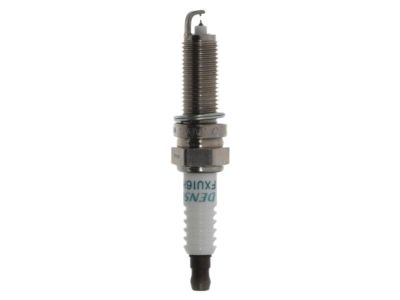
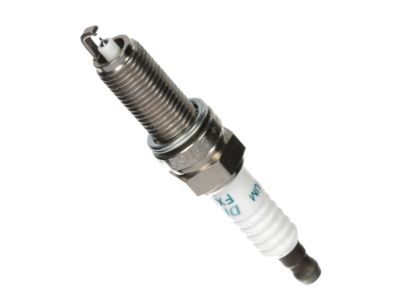
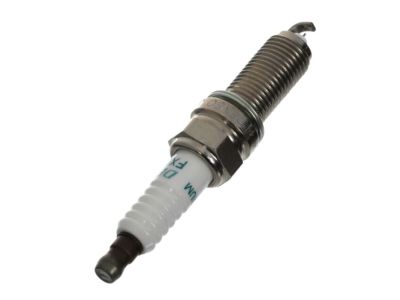
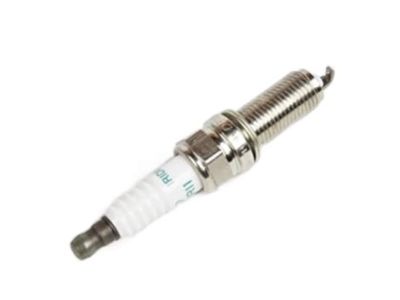

Kia Optima Spark Plug Assembly
Part Number: 1884711160$19.75 MSRP: $26.77You Save: $7.02 (27%)Ships in 1-2 Business Days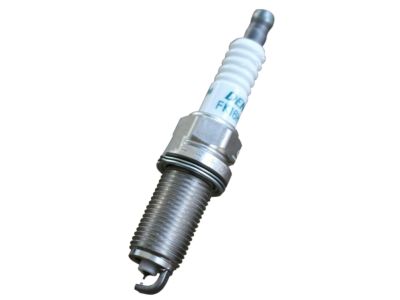
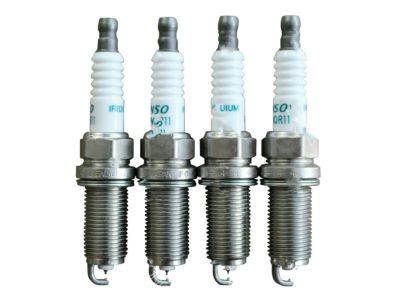
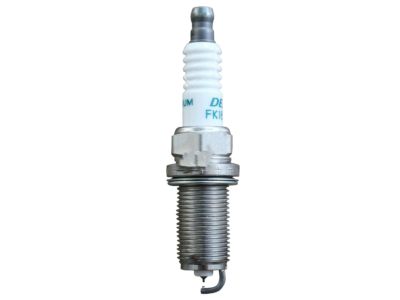

Kia Optima Spark Plug Assembly
Part Number: 1884511160$18.45 MSRP: $26.40You Save: $7.95 (31%)Ships in 1-2 Business Days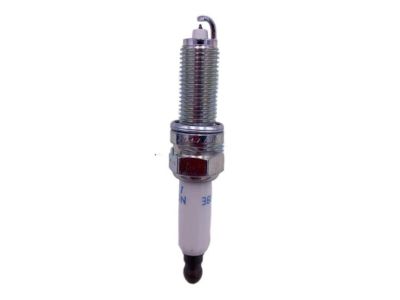
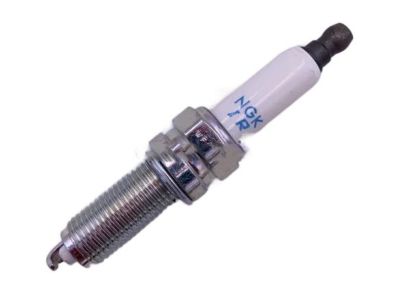
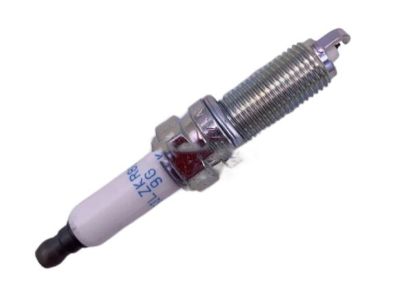
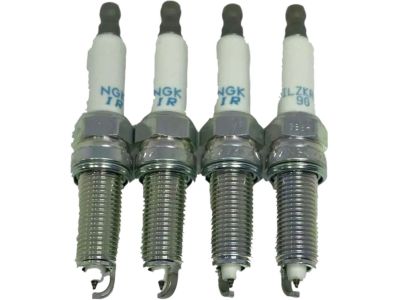
Kia Optima Spark Plug Assembly
Part Number: 1884909085$24.45 MSRP: $34.99You Save: $10.54 (31%)Ships in 1-2 Business Days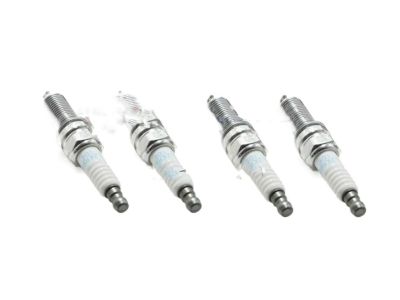

Kia Optima Spark Plug Assembly
Part Number: 1884708200$24.45 MSRP: $34.99You Save: $10.54 (31%)Ships in 1-3 Business Days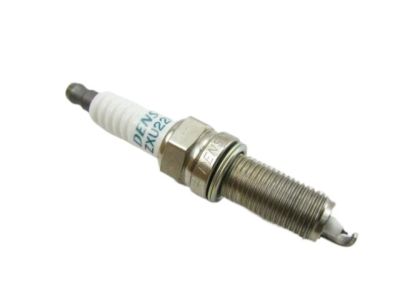
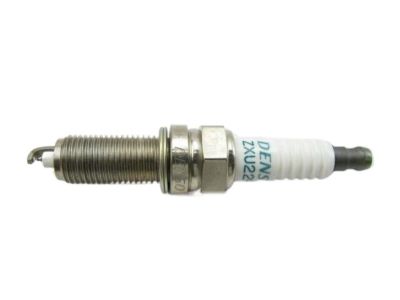
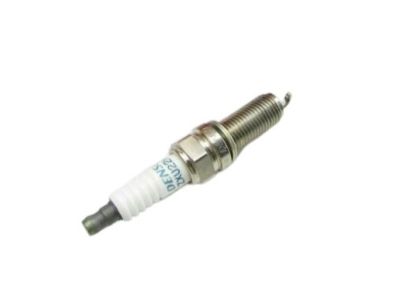

Kia Optima Spark Plug Assembly
Part Number: 1884708220$24.45 MSRP: $34.99You Save: $10.54 (31%)Ships in 1-2 Business Days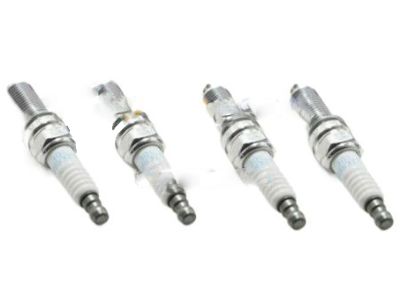
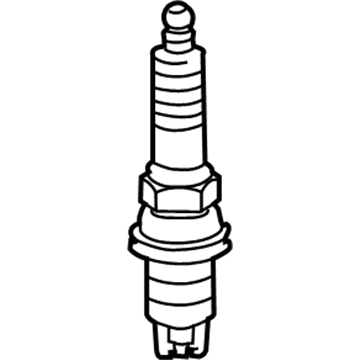
Kia Optima Spark Plug Assembly
Part Number: 2741025000$16.31 MSRP: $23.34You Save: $7.03 (31%)Ships in 1-3 Business Days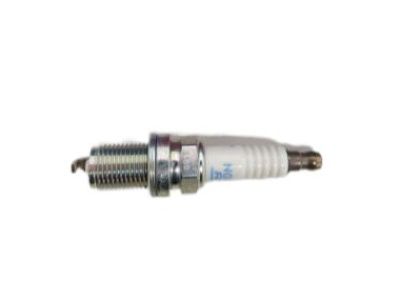
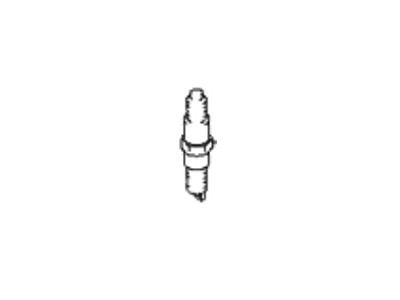

Kia Optima Spark Plug Assembly
Part Number: 1881711051$19.48 MSRP: $26.40You Save: $6.92 (27%)Ships in 1-2 Business Days
Kia Optima Spark Plug Assembly
Part Number: 1884011051$18.47 MSRP: $26.42You Save: $7.95 (31%)Ships in 1-3 Business Days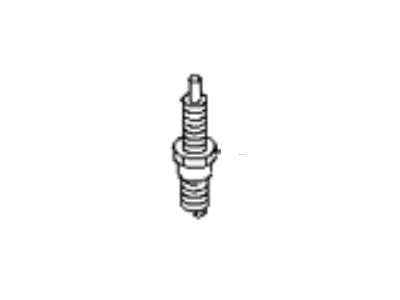

Kia Optima Spark Plug Assembly
Part Number: 1881811051$17.81 MSRP: $24.13You Save: $6.32 (27%)Ships in 1-3 Business Days
Kia Optima Spark Plug
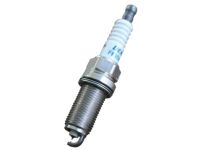
Kia Optima Spark Plug gives the essential spark to ignite the fuel air mixture and awakens the engine in an instant. Each Spark Plug in every Kia sedan uses a steel shell, ceramic insulator, and paired electrodes to send as much as 45,000 volts of electricity creeping across a narrow gap and firing controlled lightning in the cylinders. Over time, a Spark Plug can accumulate carbon soot, oil fouling, glazing, or even gap bridging as deposits pile up, especially if a Kia sees frequent short trips, which rob power and invite pre-ignition. The Optima has applied primarily single ground Spark Plug designs, but some model years have applied multi ground or surface discharge designs that make additional arcs and expose the flame kernel better, increasing service life and improving cold starts. Whichever type lives in the Optima, exact gap size and good heat range are critical to clean combustion. Regular removal, visual reading, and timely replacement keep the Spark Plug pristine, prevent detonation cracking, and allow a Kia Optima to be responsive, economical, and fun to drive.
If you're in search of top-notch, reasonably priced OEM Kia Optima Spark Plug, then you've found the perfect spot. Our website boasts an extensive inventory of Kia Optima Spark Plug, all priced at the market's premier price. Rest assured, every genuine part we offer comes with a warranty straight from the manufacturer.
Kia Optima Spark Plug Parts Questions & Experts Answers
- Q:What should you consider when replacing spark plugs on Kia Optima?Posted by Pilar V.A:When replacing spark plugs, do not adjust the gap on platinum or iridium plugs, as they are pregapped by the manufacturer and using a gapping tool could damage the electrode plating. A spark plug socket with a rubber grommet is necessary to protect the porcelain insulator and hold the plug during installation. Purchase new plugs and replace them one at a time, inspecting each for defects; any cracks in the porcelain insulator indicate that the plug should not be used. Remove engine covers and disconnect any hoses or components that obstruct access. For V6 engines, the upper intake manifold must be removed to reach the rear plugs. If the plugs have conventional wires, pull them by the boots, while those with coils require disconnecting the coil wiring and unbolting each coil. Use compressed air to clear dirt from the spark plug area before removal. A proper spark plug socket and extension are needed due to the deep recess of the plugs. Compare old plugs with those inside the back cover to assess engine condition, and apply a small amount of anti-seize compound to the threads to prevent damage during future removals. To avoid cross-threading, use a short piece of rubber hose over the plug to help align it with the hole; if cross-threading occurs, the hose will slip, preventing damage. Tighten the plug to the specified torque and securely attach the plug wires before reinstalling any removed components.Answered by Kia Parts Specialist Jeff / Aug 14, 2024
Related Kia Optima Parts


Browse by Year
2020 Spark Plug 2019 Spark Plug 2018 Spark Plug 2017 Spark Plug 2016 Spark Plug 2015 Spark Plug 2014 Spark Plug 2013 Spark Plug 2012 Spark Plug 2011 Spark Plug 2010 Spark Plug 2009 Spark Plug 2008 Spark Plug 2007 Spark Plug 2006 Spark Plug 2005 Spark Plug 2004 Spark Plug 2003 Spark Plug 2002 Spark Plug 2001 Spark Plug 2000 Spark Plug