×
- Hello
- Login or Register
- Quick Links
- Live Chat
- Track Order
- Parts Availability
- RMA
- Help Center
- Contact Us
- Shop for
- Kia Parts
- Kia Accessories

My Garage
My Account
Cart
Genuine Kia Sedona Oxygen Sensor
Oxygen O2 Sensor- Select Vehicle by Model
- Select Vehicle by VIN
Select Vehicle by Model
orMake
Model
Year
Select Vehicle by VIN
For the most accurate results, select vehicle by your VIN (Vehicle Identification Number).
19 Oxygen Sensors found
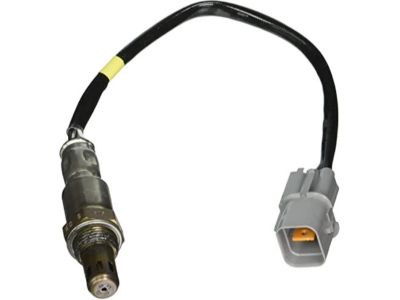
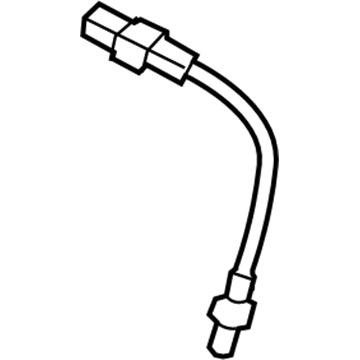

Kia Sedona Oxygen Sensor Assembly, Front Left
Part Number: 392103CAA0$146.35 MSRP: $213.03You Save: $66.68 (32%)Ships in 1-3 Business Days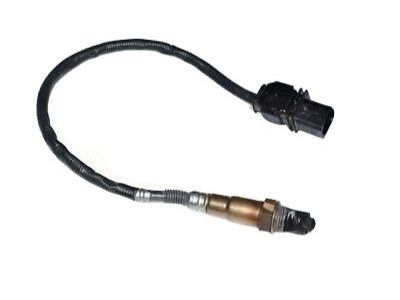
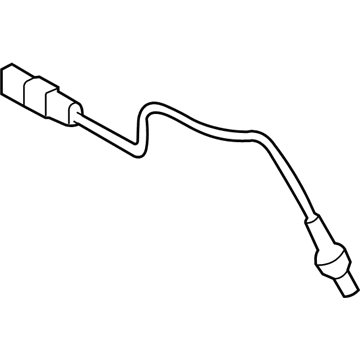
Kia Sedona Oxygen Sensor Assembly, Front Right
Part Number: 392103CCB0$146.35 MSRP: $213.03You Save: $66.68 (32%)Ships in 1-3 Business Days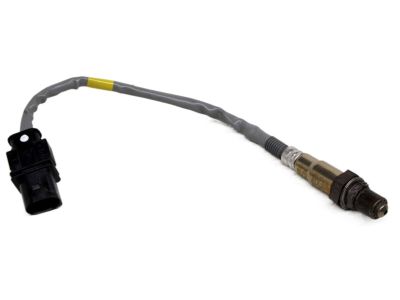
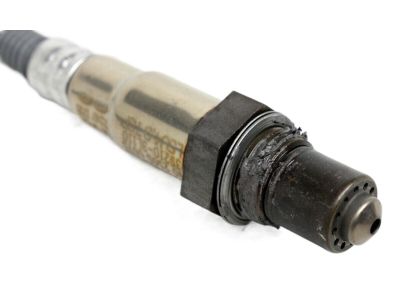

Kia Sedona Oxygen Sensor Assembly, Front Left
Part Number: 392103L110$308.34 MSRP: $451.58You Save: $143.24 (32%)Ships in 1-3 Business Days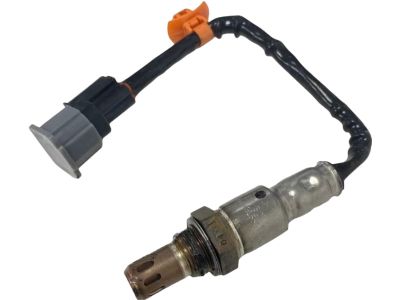
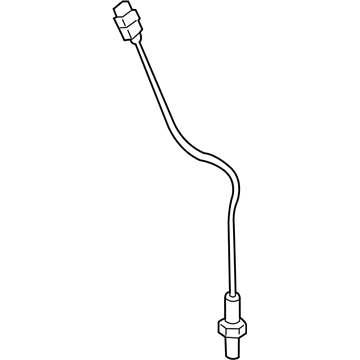

Kia Sedona Oxygen Sensor Assembly, Rear
Part Number: 392103L640$191.90 MSRP: $279.33You Save: $87.43 (32%)Ships in 1-3 Business Days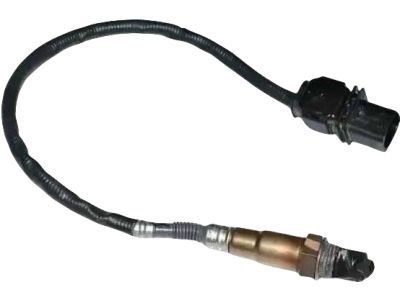
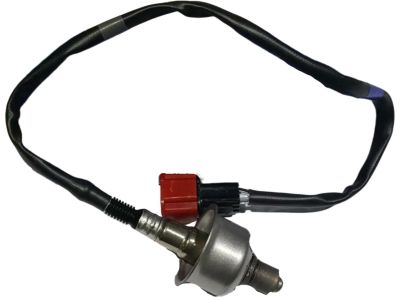

Kia Sedona Oxygen Sensor Assembly
Part Number: 392103L610$199.13 MSRP: $289.85You Save: $90.72 (32%)Ships in 1-3 Business Days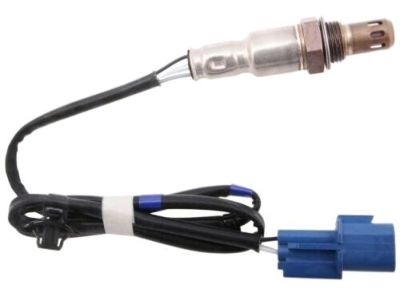

Kia Sedona Oxygen Sensor Assembly, Rear Right
Part Number: 392103CDD0$203.02 MSRP: $295.52You Save: $92.50 (32%)Ships in 1-3 Business Days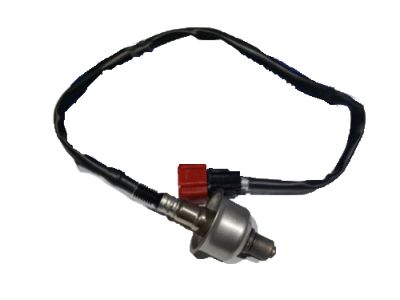
Kia Sedona Oxygen Sensor Assembly, Rear Left
Part Number: 392103CBB0$146.35 MSRP: $213.03You Save: $66.68 (32%)Ships in 1-3 Business Days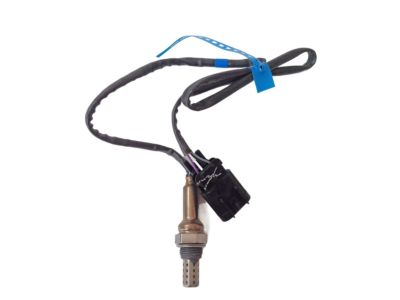
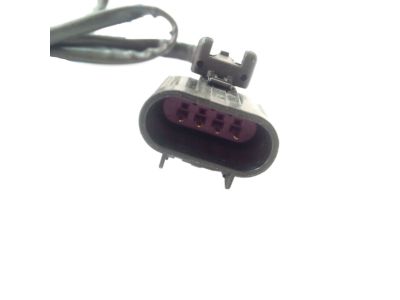
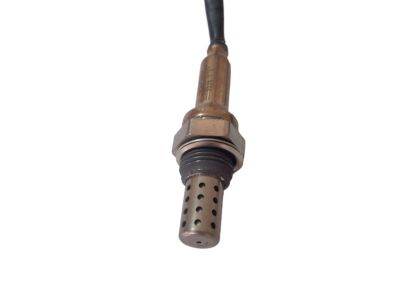
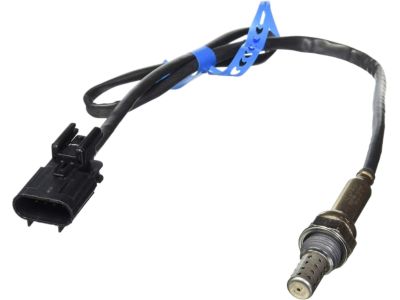
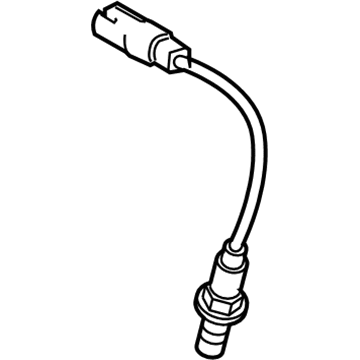
Kia Sedona Oxygen Sensor Assembly, Rear Right
Part Number: 392103C200$107.91 MSRP: $155.72You Save: $47.81 (31%)Ships in 1-3 Business Days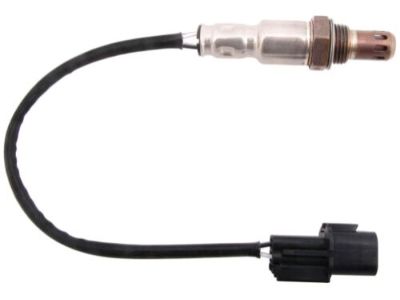

Kia Sedona Oxygen Sensor Assembly, Rear Left
Part Number: 392103CBC0$179.19 MSRP: $260.83You Save: $81.64 (32%)Ships in 1-3 Business Days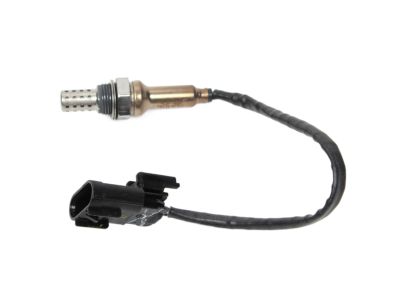
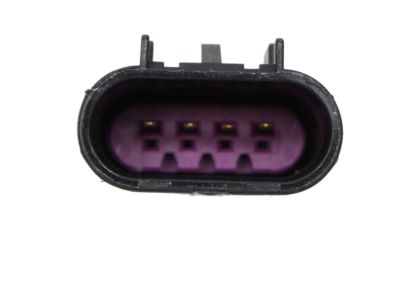
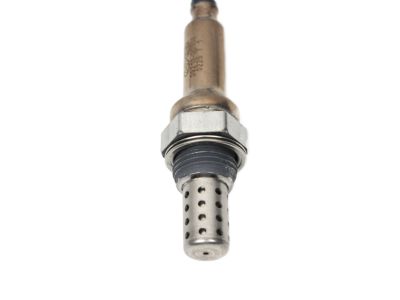
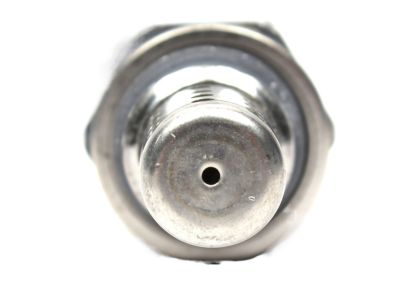
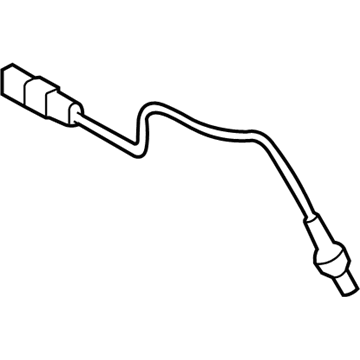
Kia Sedona Oxygen Sensor Assembly Front Left
Part Number: 392103C100$96.87 MSRP: $139.78You Save: $42.91 (31%)Ships in 1-3 Business Days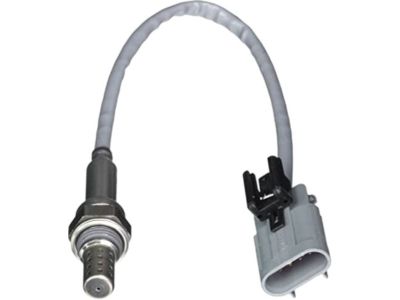
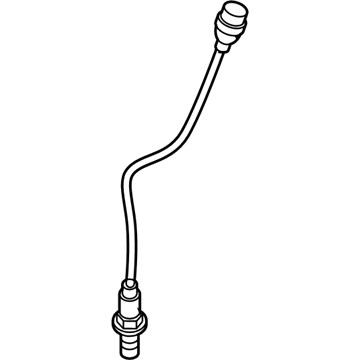
Kia Sedona Oxygen Sensor Assembly Rear Left
Part Number: 392103C400$100.62 MSRP: $145.20You Save: $44.58 (31%)Ships in 1-3 Business Days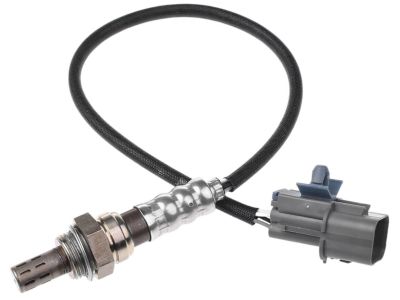
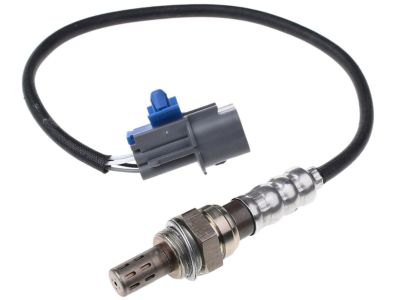
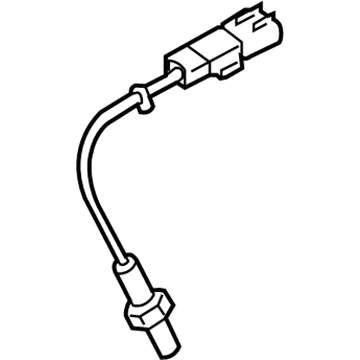
Kia Sedona Oxygen Sensor Assembly, Front Right
Part Number: 392103CCC0$160.84 MSRP: $234.12You Save: $73.28 (32%)Ships in 1-3 Business Days
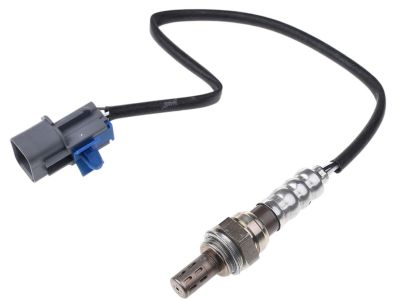
Kia Sedona Oxygen Sensor Assembly, Front Right
Part Number: 392103L100$287.46 MSRP: $421.00You Save: $133.54 (32%)Ships in 1-3 Business Days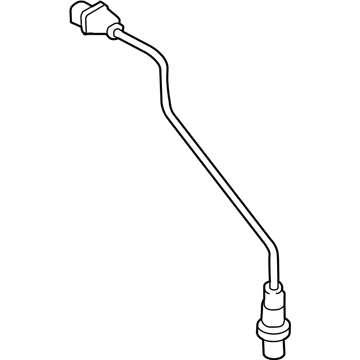
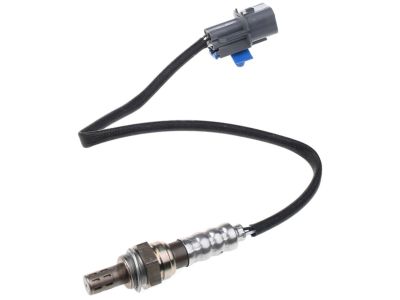
Kia Sedona Oxygen Sensor Assembly, Rear Right
Part Number: 392103CDB0$139.06 MSRP: $202.42You Save: $63.36 (32%)Ships in 1-3 Business Days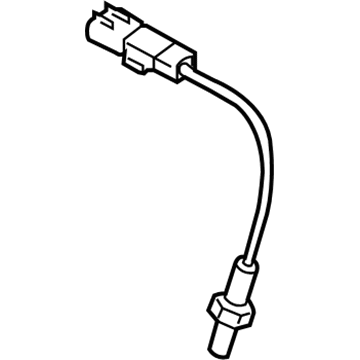
Kia Sedona Oxygen Sensor Assembly, Rear(Right)
Part Number: 392103CDC0$139.06 MSRP: $202.42You Save: $63.36 (32%)Ships in 1-3 Business Days

Kia Sedona Oxygen Sensor Assembly Right
Part Number: 3921039650$175.09 MSRP: $254.87You Save: $79.78 (32%)Ships in 1-3 Business Days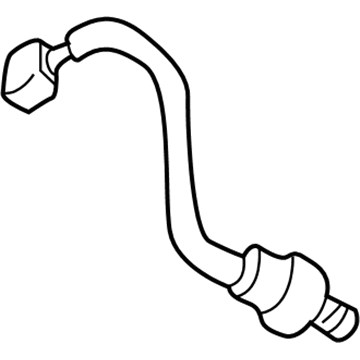
Kia Sedona Oxygen Sensor Assembly Front Right
Part Number: 3921039800$179.36 MSRP: $261.08You Save: $81.72 (32%)Ships in 1-3 Business DaysKia Sedona Oxygen Sensor Assembly, Left
Part Number: 3921039600$180.62 MSRP: $262.92You Save: $82.30 (32%)Ships in 1-3 Business Days
Kia Sedona Oxygen Sensor
Kia Sedona Oxygen Sensor tracks the oxygen in exhaust, sending real-time voltage information to the engine computer to maintain the balance of fuel delivery for good power and low emissions. Inside its steel shell, a zirconia element with layers of platinum compares exhaust gas with outside air, producing 0.1 to 0.9 volts which indicate lean or rich mix and direct injector pulses. Upstream Oxygen Sensor before the catalytic converter switches many times each second to maintain closed loop operation and a version downstream watches the converter efficiency and should always be near 0.45 volts. Late model Kia Sedona minivans with V6 engines typically have four sensors, two before and two after the converters for each bank. When a sensor is fouled by coolant, oil, or carbon, the delayed response moves the computer to a fixed rich map which increases fuel use, emissions, and raises the warning light. Some recent Kia Sedona models replace the traditional narrow band Oxygen Sensor with a wideband unit which measures mixture by current flow for finer control. Both styles have heated elements, allowing the Oxygen Sensor to reach approximately 600°F in a short amount of time. Regular checks of the Oxygen Sensor on any Kia Sedona help the catalytic converter to be at its optimal performing.
If you're in search of top-notch, reasonably priced OEM Kia Sedona Oxygen Sensor, then you've found the perfect spot. Our website boasts an extensive inventory of Kia Sedona Oxygen Sensor, all priced at the market's premier price. Rest assured, every genuine part we offer comes with a warranty straight from the manufacturer.
Kia Sedona Oxygen Sensor Parts Questions & Experts Answers
- Q:What special care is essential when servicing an oxygen sensor on Kia Sedona?Posted by Ramon L.A:When servicing an oxygen sensor, special care is essential as it has a permanently attached pigtail and electrical connector that cannot be removed; any damage to these components will ruin the sensor. It is important to keep grease, dirt, and other contaminants away from both the electrical connector and the sensor, and cleaning solvents should never be used on the sensor. Additionally, avoid dropping or roughly handling the sensor. Due to its installation in the exhaust manifold or Catalytic Converter, which contract when cool, an oxygen sensor may be difficult to loosen when the engine is cold; therefore, starting and running the engine briefly can help. The sensors are located at the inlet and outlet of each primary catalytic converter, with a total of four sensors across all models. For replacing the Bank 1 sensor, raise the front of the vehicle securely on jackstands, disconnect the electrical connector, and carefully unscrew the sensor using an oxygen sensor socket or a large wrench. For the downstream sensor, raise the vehicle, remove any exhaust shields blocking access, disconnect the electrical connector, and unscrew the sensor similarly. Installation of both upstream and downstream sensors is the reverse of removal, ensuring to coat the threads with anti-seize compound and tighten to the specified torque, noting that new sensors may already have this coating.Answered by Kia Parts Specialist Paul / Mar 01, 2026
Related Kia Sedona Parts
 Kia Sedona Engine Control Module
 Kia Sedona Catalytic Converter
 Kia Sedona Knock Sensor
 Kia Sedona Vapor Pressure Sensor
 Kia Sedona Vehicle Speed Sensor
 Kia Sedona Ambient Temperature Sensor
 Kia Sedona Brake Fluid Level Sensor
 Kia Sedona Canister Purge Valve
 Kia Sedona Vapor Canister
 Kia Sedona Yaw Sensor
Browse by Year
2021 Oxygen Sensor 2020 Oxygen Sensor 2019 Oxygen Sensor 2018 Oxygen Sensor 2017 Oxygen Sensor 2016 Oxygen Sensor 2015 Oxygen Sensor 2014 Oxygen Sensor 2013 Oxygen Sensor 2012 Oxygen Sensor 2011 Oxygen Sensor 2010 Oxygen Sensor 2009 Oxygen Sensor 2008 Oxygen Sensor 2007 Oxygen Sensor 2006 Oxygen Sensor 2005 Oxygen Sensor 2004 Oxygen Sensor 2003 Oxygen Sensor 2002 Oxygen Sensor 2001 Oxygen Sensor